
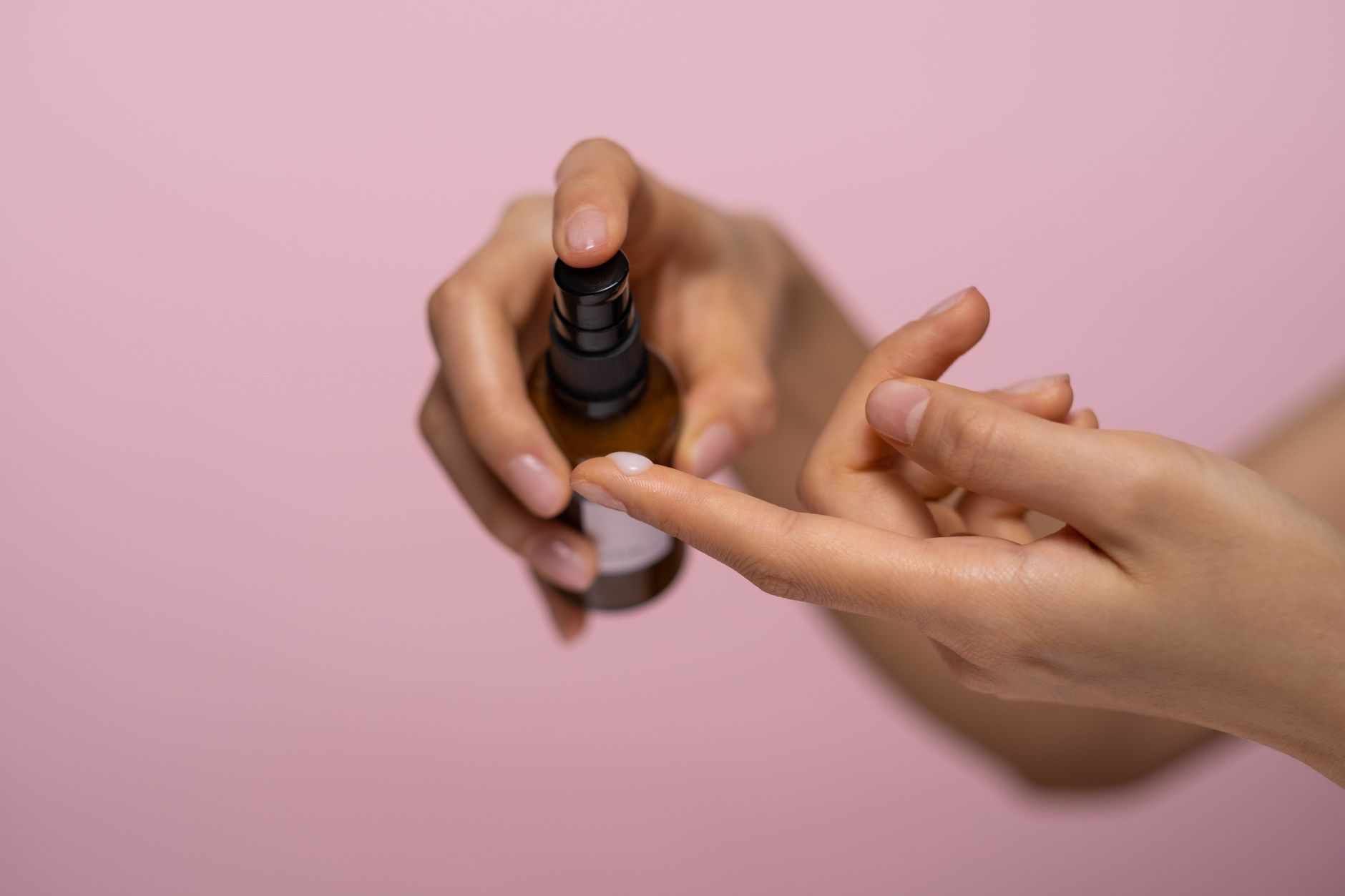
Retinol is a powerhouse ingredient in the world of skincare, renowned for its transformative effects on the face. Many people seek to understand what retinol does for their skin and how it can contribute to a radiant complexion. By exploring its benefits and the results it can yield, you can determine if this popular component should be part of your beauty regime.
From reducing the appearance of fine lines to supporting even skin tone, retinol is beloved for its versatility. In this guide, we’ll delve into what retinol does for your face, how it works, and how to incorporate it effectively into your routine.
What Does Retinol Do for Your Face?
Retinol, a derivative of vitamin A, plays a crucial role in promoting cell turnover, enhancing collagen production, and improving skin texture. Its benefits include diminishing fine lines, reducing hyperpigmentation, and offering a smoother, more youthful appearance.
Understanding Retinol
Before integrating retinol into your routine, it’s essential to understand how it works and its place in skincare. Retinol is a form of vitamin A that stimulates skin cell turnover and promotes collagen production. This action helps to reveal fresher, brighter skin beneath the surface.
Retinol can be found in various skincare products, including serums, creams, and some lotions. While it provides numerous benefits, it also comes with considerations regarding usage, particularly for those with sensitive skin types.
Benefits of Retinol for Your Face
Retinol offers a variety of benefits that can help improve the overall appearance of your skin. Here are some of the main advantages:
- Reduces Fine Lines and Wrinkles: Retinol promotes collagen production, which helps to reduce the appearance of fine lines and wrinkles over time.
- Improves Skin Texture: Regular use helps to smooth the skin’s surface by accelerating cell turnover, leading to a more refined and youthful complexion.
- Minimizes Pores: By promoting exfoliation, retinol can help reduce the visibility of enlarged pores, giving your skin a more even appearance.
- Fades Hyperpigmentation: Retinol can effectively diminish dark spots, sun damage, and uneven skin tone by promoting the turnover of pigmented skin cells.
- Helps Clear Acne: As a powerful exfoliant, retinol helps unclog pores, making it beneficial for both acne prevention and treatment.
- Boosts Radiance: By revealing fresher skin below, retinol naturally enhances your skin’s brightness and overall tone.
How to Incorporate Retinol into Your Skincare Routine
Getting started with retinol requires a careful and gradual approach to avoid irritation, especially for those with sensitive skin. Here’s a simple guide on how to incorporate retinol effectively into your routine:
- Choose the Right Product: Opt for a retinol product suitable for your skin type. Look for lower concentrations (around 0.25% to 0.5%) when starting out.
- Start Slow: Begin by using retinol once or twice a week in the evening, gradually increasing the frequency as your skin adjusts.
- Apply on Clean Skin: Ensure your face is clean and dry before applying a pea-sized amount of retinol, focusing on areas that need attention.
- Follow with Moisturizer: Since retinol can be drying, follow up with a nourishing moisturizer to help hydrate the skin.
- Be Mindful of Irritation: Watch for signs of irritation, such as redness, peeling, or excessive dryness. If this occurs, decrease the frequency of use.
- Always Use Sunscreen: Retinol increases sensitivity to the sun, so apply a broad-spectrum sunscreen of at least SPF 30 every morning to protect your skin.
What Skin Types Can Benefit from Retinol?
Though retinol is beneficial for many skin types, there are specific considerations to keep in mind:
- Oily Skin: Those with oily skin can benefit significantly from retinol, especially for its acne-fighting properties.
- Dry Skin: Opt for a hydrating moisturizer alongside retinol to combat potential dryness.
- Combination Skin: Using retinol on the oily areas while moisturizing the dry patches can help balance the skin.
- Sensitive Skin: Start with a lower concentration and fewer applications per week to gauge skin tolerance.
- Aging Skin: Retinol is especially beneficial for mature skin, addressing signs of aging effectively.
Common Mistakes to Avoid with Retinol
When incorporating retinol into your routine, avoiding common pitfalls can help you achieve the best results while minimizing irritation:
- Overusing the Product: Using retinol too frequently or combining it with other potent actives can lead to irritation.
- Not Moisturizing: Skipping moisturizer can exacerbate dryness; always follow up with hydration.
- Neglecting Sun Protection: Failing to apply sunscreen can result in sunburn or hyperpigmentation.
- Expecting Overnight Results: Give your skin time to adjust; significant changes can take several weeks to months.
Signs of Irritation and How to Handle Them
While retinol is generally safe, some users may experience irritation. Common signs include:
- Redness and flakiness
- Burning or stinging sensations
- Increased sensitivity
If you notice any of these signs, consider the following steps:
- Reduce the frequency of use until your skin adapts.
- Switch to a lower concentration product.
- Incorporate a gentle, hydrating serum or cream to provide extra moisture.
- Consider consulting with a qualified clinician for personalized advice.
Realistic Expectations from Retinol
While retinol can be highly effective, it’s important to have realistic expectations. Patience is key when using retinol; some might notice improvements within a few weeks, while others may need several months to see notable changes.
Here’s a rough timeline of what to expect:
- Within the first week: Skin may feel slightly drier or tighter as it adjusts.
- 2-4 weeks: Mild improvements in skin texture and tone can begin to appear.
- 8-12 weeks: Observable reduction in the appearance of fine lines and hyperpigmentation.
- 3+ months: Continued improvement with consistent use leads to more significant changes.
Combining Retinol with Other Ingredients
When considering how to build a skincare routine featuring retinol, you may wonder about safe combinations:
- Vitamin C: Using vitamin C in the morning can complement retinol, offering antioxidant protection and brightening effects.
- Hyaluronic Acid: This hydrating ingredient can be layered with retinol to minimize dryness and irritation.
- Peptides: These can be combined with retinol to boost skin repair and hydration.
- AHA/BHA Exfoliants: Use these on alternate days to avoid over-exfoliating and irritation.
- Consult Experts: If uncertain, consulting a skincare specialist can provide tailored advice on combinations.
Retinol Alternatives
If retinol seems daunting or is not suitable for your skin, other vitamin A derivatives may be worth considering:
- Bakuchiol: A plant-based alternative to retinol that provides similar benefits without the irritation.
- Retinyl Palmitate: A gentler form of vitamin A that may be better tolerated by sensitive skin.
- Granactive Retinoid: This ingredient offers retinol-like benefits with less irritation, making it suitable for more skin types.
Frequently Asked Questions about Retinol
When should I start using retinol?
It’s generally advised to start incorporating retinol into your skincare routine in your mid-20s to early 30s as a preventive measure against aging. However, it can benefit anyone looking to improve their skin’s texture and tone.
Can I use retinol if I’m pregnant or breastfeeding?
It’s advised to avoid retinol during pregnancy and breastfeeding due to potential risks to the fetus or infant. Always consult your healthcare provider for guidance on safe skincare during these periods.
Conclusion
Understanding what retinol does for your face is crucial for anyone looking to enhance their skincare routine. With its numerous benefits, from reducing fine lines to clearing acne, retinol can be a major game changer in achieving a healthy, vibrant complexion. Remember to start slowly, listen to your skin, and don’t forget your sunscreen!
If you want to delve deeper into how retinol works, check out our guide on how retinol works, and for specific concerns, learn more about retinol and acne scars. Your journey to radiant skin awaits!