
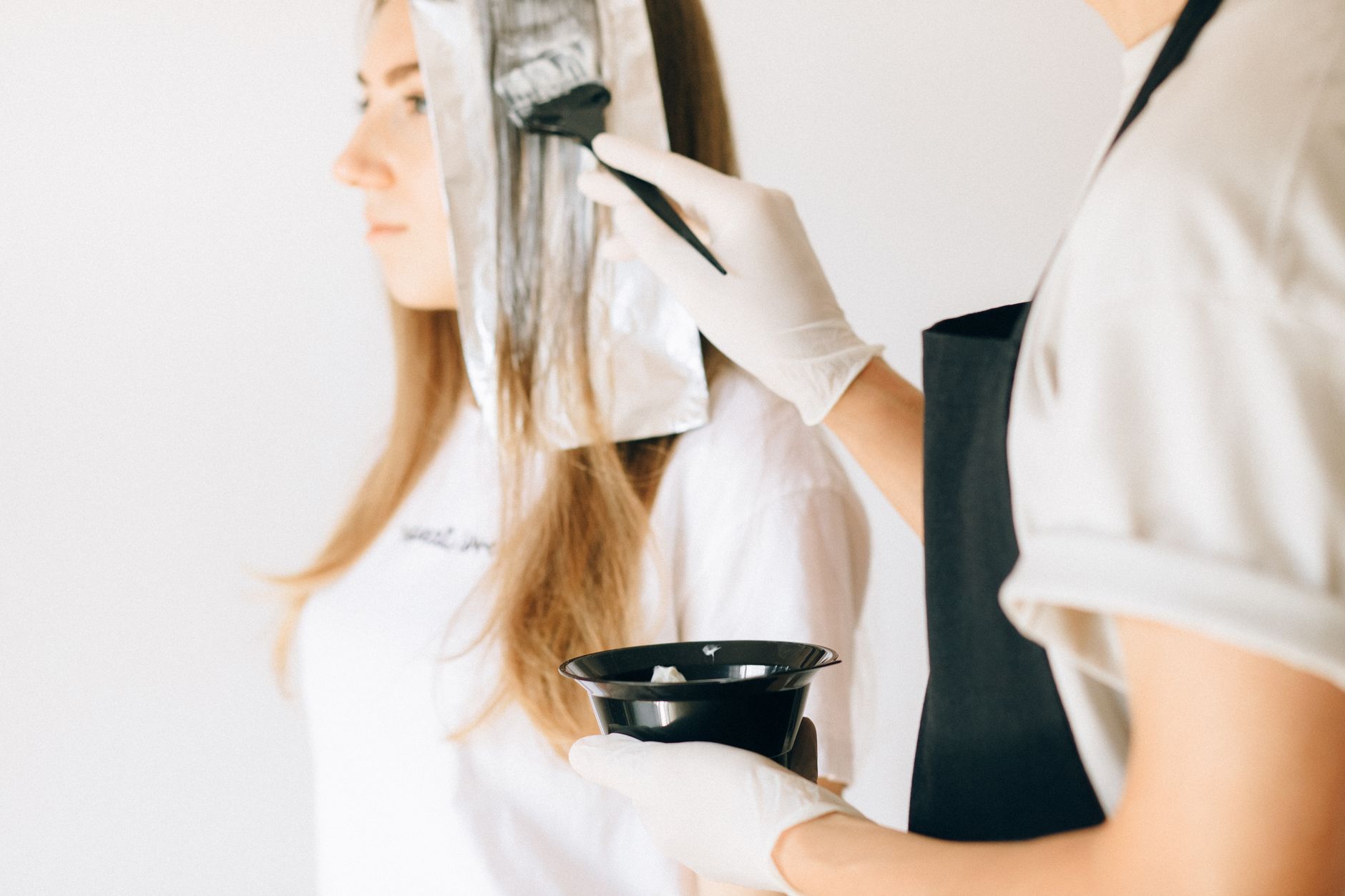
When it comes to hair coloring, many people find themselves confused by the various options available, particularly when distinguishing between semi and demi-permanent hair color. Understanding the key differences between these two types of hair color can help you make informed choices about how to achieve your desired look while ensuring the health of your hair.
In this article, we will explore what semi and demi-permanent hair color are, their advantages and disadvantages, ideal use cases, application techniques, and ways to maintain your color. Whether you’re looking to make a subtle change or a more dramatic transformation, knowing the ins and outs of these coloring options will empower you to create a look that suits your style.
Semi vs. Demi-Permanent Hair Color: What Are the Key Differences?
Semi-permanent and demi-permanent hair colors are two popular choices that allow for temporary changes in hair color without the long-lasting effects of permanent dyes. Both types can add vibrancy and enhance your hair’s appearance, but they do have notable distinctions.
Semi-permanent hair color typically lasts about 4 to 12 shampoos, whereas demi-permanent hair color can last between 12 to 24 shampoos. Additionally, demi-permanent color contains a small amount of ammonia and uses a low-volume developer, allowing it to penetrate the hair shaft more effectively, resulting in longer-lasting color. Understanding these differences can guide you in choosing the right option for your hair coloring needs.
What is Semi-Permanent Hair Color?
Semi-permanent hair color is designed to add color to the hair without fully utilizing ammonia and the harsh chemicals found in permanent color. It is often loved for its versatility, as it can provide a natural and subtle color boost as well as more vibrant hues. Here are some key characteristics of semi-permanent color:
- Duration: Lasts approximately 4 to 12 washes. This means the color will gradually fade with each shampoo.
- Formulation: Semi-permanent colors are ammonia-free and typically use direct dyes, which coat the hair shaft instead of penetrating deeply.
- Application: It can be applied directly to the hair without the need for a developer, making it an easy option for at-home use.
- Color Options: A wide range of shades is available, from natural shades to fantasy colors, allowing for creative expression.
- Damage: Because it doesn’t lift hair color, semi-permanent color is gentler on the hair and is often a good option for those with damaged or previously colored hair.
Ideal Use Cases for Semi-Permanent Hair Color
Semi-permanent hair color is a great choice for a variety of situations, including:
- New Color Experimentation: If you’re interested in trying a new shade without a long-term commitment, semi-permanent color allows you to explore various colors.
- Enhancing Natural Color: It can boost your natural hair color and add depth without a drastic change.
- Covering Grays: Semi-permanent colors can help to blend gray hairs effectively, especially when you’re looking for a softer transition.
- Seasonal Changes: Changing your color with the seasons can be easily achieved with semi-permanent dyes.
What is Demi-Permanent Hair Color?
Demi-permanent hair color is a semi-permanent option but with some distinct benefits that make it stand out. It usually lasts longer than semi-permanent color and has the following characteristics:
- Duration: Lasts around 12 to 24 washes, providing a longer-lasting effect compared to semi-permanent color.
- Formulation: Contains a small amount of ammonia along with a low-volume developer, which allows it to penetrate the hair shaft more effectively.
- Application: Requires mixing with a developer before application. This can seem more daunting but often leads to enhanced color longevity and vibrancy.
- Color Options: Offers a rich selection of shades with more natural-looking results, making it ideal for those seeking subtle enhancements.
- Damage: While it is still less damaging than permanent color, the inclusion of ammonia means it may not be ideal for extremely fragile or over-processed hair.
Ideal Use Cases for Demi-Permanent Hair Color
Demi-permanent hair color is particularly suitable for the following instances:
- Longer-Lasting Color: If you’re looking for a hair color that lasts longer than semi-permanent but still provides a temporary option, demi-permanent is a great choice.
- Color Correction: Ideal for color corrections or adjustments after a semi-permanent color wearing off.
- Glossing: Can be used as a gloss to enhance shine and tone down unwanted brassiness in previously colored hair.
- Color Evolving: As the color fades, it gradually transitions, making it suitable for those who want their color to evolve naturally.
Application Techniques for Semi and Demi-Permanent Hair Colors
Applying hair color can be straightforward, but it’s essential to follow specific techniques to ensure the best outcome. Here’s how to apply both semi and demi-permanent colors:
Applying Semi-Permanent Hair Color
- Preparation: Start with clean, dry hair. It’s best not to wash your hair for a day or two before applying, as natural oils can protect your scalp.
- Select Your Shade: Choose a shade that aligns with your desired change, keeping in mind that semi-permanent colors will not lighten hair.
- Section the Hair: Divide your hair into manageable sections for even application.
- Application: Apply the color directly onto the hair, using an applicator bottle or brush. Focus on the mid-lengths and ends, working your way to the roots last.
- Processing Time: Allow the color to develop according to the instructions on the packaging, usually around 20 to 40 minutes.
- Rinse and Condition: Rinse the hair with cool water until the water runs clear, then follow with a color-safe conditioner.
Applying Demi-Permanent Hair Color
- Preparation: As with semi-permanent color, begin with clean, dry hair.
- Select Your Shade and Developer: Choose the appropriate shade and developer strength based on your desired result.
- Section the Hair: Just like the semi-permanent process, section your hair for even application.
- Mixing: In a non-metallic bowl, mix the demi-permanent color with the developer following the recommended ratio.
- Application: Begin applying the mixture from the roots through the mid-lengths to the ends. Use a tint brush for precise application.
- Processing Time: Allow the color to develop per the manufacturer’s instructions, usually about 20 to 50 minutes.
- Rinse and Condition: Rinse thoroughly until the water runs clear. Apply a conditioner designed for color-treated hair to nourish your strands.
Maintenance Tips for Semi and Demi-Permanent Hair Colors
Regardless of which type of color you choose, maintaining the integrity of your hair and the vibrancy of the color is essential. Here are some practical maintenance tips:
- Use Sulfate-Free Shampoo: Opt for a sulfate-free shampoo specifically designed for color-treated hair to prolong the life of your color.
- Limit Washing Frequency: Wash your hair less frequently to avoid stripping color from your strands. Dry shampoo can be a lifesaver.
- Temperature Control: Use lukewarm or cool water when washing your hair to seal the cuticle and maintain the color’s richness.
- Avoid Heat Damage: Minimize the use of heat-styling tools. If you must use them, apply a heat protectant.
- Deep Condition Regularly: Incorporate weekly deep conditioning treatments to keep your hair moisturized and nourished.
- Schedule Regular Touch-Ups: Semi and demi-permanent colors will fade over time; plan to refresh your color every few weeks depending on what you choose.
Common Questions About Semi-Permanent and Demi-Permanent Hair Colors
Can You Mix Semi-Permanent and Demi-Permanent Hair Colors?
It is generally not recommended to mix the two types of hair color. Semi-permanent colors do not require a developer, while demi-permanent colors need both a developer and an activator to work effectively. Mixing them could lead to unpredictable and undesirable results.
Will Semi or Demi-Permanent Hair Colors Cover Gray Hair?
Semi-permanent colors can help blend grays for a softer effect, while demi-permanent colors are more effective at covering them due to their ability to penetrate the hair shaft. If you are looking for significant gray coverage, demi-permanent may be your better option.
How Often Can I Use Semi or Demi-Permanent Hair Colors?
Since both semi and demi-permanent options are less damaging than permanent dyes, you can apply them more frequently. However, you should still allow your hair to recover between colorings to prevent excessive dryness or damage. It’s a good idea to wait about four to six weeks between applications.
Conclusion
Choosing between semi and demi-permanent hair color ultimately hinges on your personal goals and hair care preferences. Semi-permanent options are perfect for those seeking a fun, temporary change with minimal commitment, while demi-permanent dyes offer longer-lasting results with a vibrant and rich color payoff.
By understanding how each type functions and what maintenance they require, you can make an informed decision that keeps your hair vibrant, healthy, and stunning. No matter whether you aim for subtle highlights or a bold transformation, both semi and demi-permanent hair colors can help you achieve your desired look.
Explore more about semi-permanent hair color in our semi-permanent hair color guide, or learn about the ins and outs of demi-permanent hair color in our demi-permanent hair color article.