
Frizzy hair can feel like an uninvited guest at every event—unmanageable and wanting to take center stage when all you desire is smooth elegance. Understanding how to manage and ultimately stop frizz can empower you to embrace your hair’s natural beauty. This comprehensive guide delves into gentle methods and expert tips to banish frizzy hair and achieve a polished look.
Whether your hair is curly, wavy, or straight, frizz can affect any hair type. Frizz is often the result of dryness or lack of moisture, causing the hair cuticle to lift and create a rough surface. With the right techniques and products, you can effectively combat this common issue.
How to Stop Frizzy Hair?
To stop frizzy hair, focus on moisture retention, gentle styling techniques, and selecting the right products. Incorporate nourishing conditioners and treatments that suit your hair type while also minimizing heat exposure and friction during styling. Regular trims and protective hairstyles can also help maintain a frizz-free look.
Understanding Frizz: The Causes
Before diving into solutions, it’s essential to grasp what causes frizzy hair. Several factors contribute to this common hair concern:
- Humidity: Moisture in the air causes hair to swell and create frizz.
- Dryness: Lack of moisture leads to dry, brittle hair that easily becomes frizzy.
- Heat Damage: Frequent use of heat styling tools can strip moisture, resulting in flyaways.
- Physical Damage: Towel drying, excessive brushing, or using the wrong tools can contribute to rough textures.
- Genetics: Your natural hair type can predispose you to frizz.
Building a Frizz-Free Hair Routine
A well-structured hair care routine is key to preventing frizz. Here’s an organized method incorporating cleansing, conditioning, and styling.
1. Cleansing Your Hair
Start by using a gentle shampoo suited for your hair type. Consider whether your hair is oily, dry, or a perfect balance:
- For Dry or Curly Hair: Use a sulfate-free, hydrating shampoo to avoid stripping away natural oils.
- For Oily Hair: Look for clarifying shampoos that remove excess grease without over-drying.
Avoid washing your hair daily; aim for 2-3 times a week to allow your hair to maintain its natural moisture. When you do wash, follow these tips:
- Use lukewarm water rather than hot water to prevent excess drying.
- Focus shampoo on the scalp and allow the suds to run through the lengths of your hair, rinsing thoroughly.
2. Conditioning and Hydrating
Conditioning is crucial for frizz control. After cleansing, follow with a rich conditioner or deep conditioner:
- Choose Products with Moisturizing Ingredients: Look for hydrating agents like glycerin, argan oil, and coconut oil.
- Deep Conditioning: Incorporate a deep conditioning treatment once a week to restore moisture levels.
Apply conditioner mainly to the mid-lengths and ends of your hair, leaving it on for a few minutes to allow proper penetration. Rinse with cool water to seal in moisture and enhance shine.
3. Detangling with Care
Detangling is often a major source of frizz. Here’s how to do it correctly:
- Use a wide-tooth comb on wet hair to prevent breakage.
- Start detangling from the ends and work your way up to the roots, gently holding sections to reduce pulling.
- Consider using a leave-in conditioner or detangling spray for added slip.
4. Styling Techniques
How you style your hair plays a significant role in frizz management. Here are some effective styling methods:
- Heat Protection: Always use a heat protectant spray when using styling tools to shield your hair from damage.
- Low Heat Settings: Opt for lower heat settings on blow dryers and irons to minimize damage.
- Air Drying: Allow your hair to air dry when possible. If you must use a blow dryer, use a diffuser and dry on a low setting.
- Embrace Natural Texture: Apply curl creams or mousses to enhance waves or curls without adding stiffness.
5. Finishing Touches
Finish your styling routine with the right products:
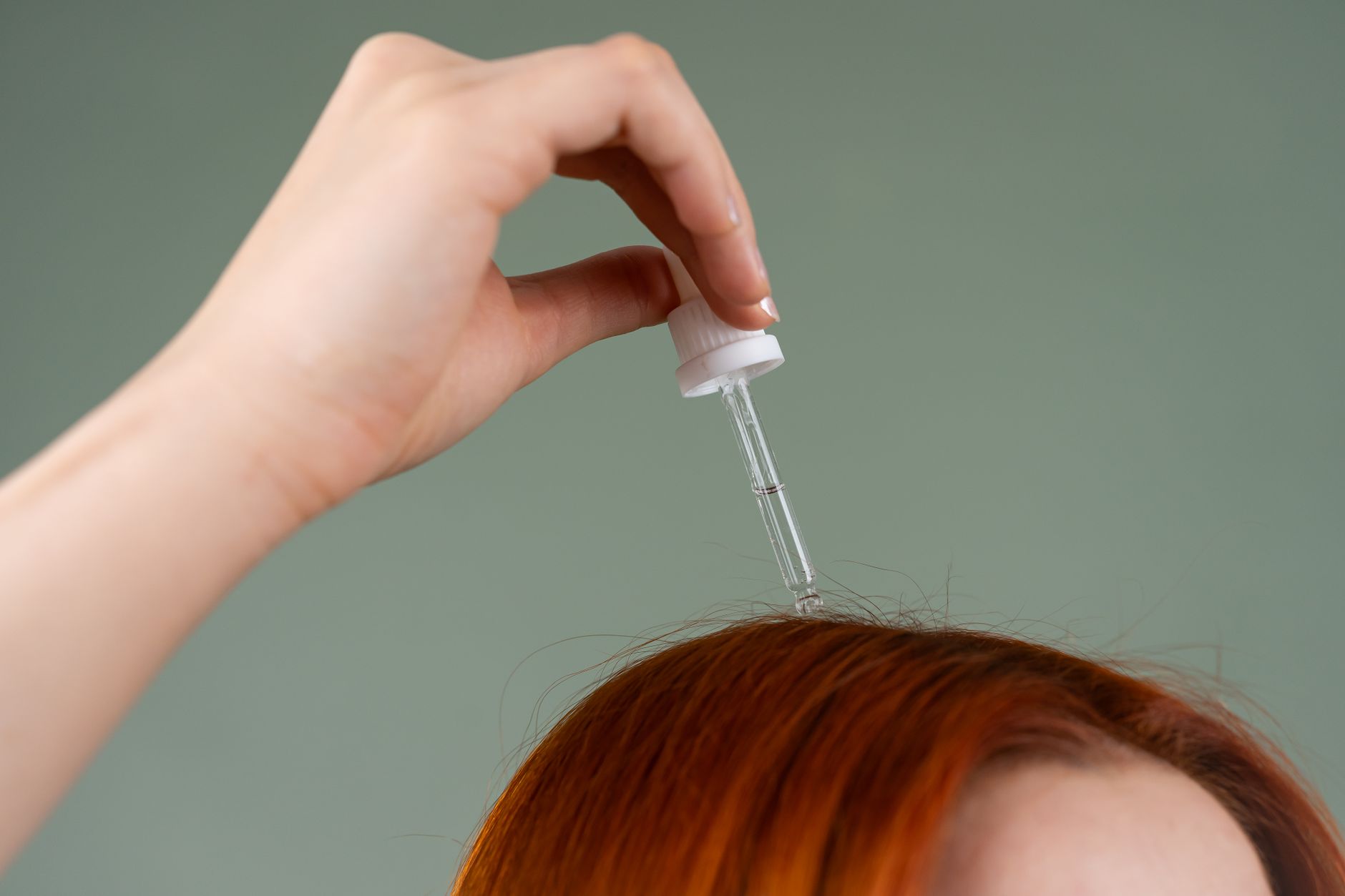
- Serums: Use an anti-frizz serum or oil to smooth flyaways and add shine. Look for light formulas that won’t weigh your hair down.
- Hairspray: A light hairspray can help hold your style without making it stiff or crunchy.
Expert Tips for Managing Frizz
In addition to a consistent routine, here are expert tips that can help get rid of and prevent frizz:
1. Choose the Right Pillowcase
Switch to a silk or satin pillowcase to reduce friction while you sleep. This change can help prevent tangles and breakage, minimizing frizz in the morning.
2. Regular Trims
Keep your hair looking healthy by scheduling regular trims every 6-8 weeks. This helps eliminate split ends that contribute to frizz.
3. Use the Right Tools
- Brush Wisely: Use a boar bristle brush or a wide-tooth comb to minimize breakage and frizz.
- Microfiber Towels: Consider using microfiber towels to absorb moisture instead of traditional cotton towels, which can cause friction.
4. Hydrate from Within
Moisture doesn’t just come from products—stay hydrated by drinking plenty of water. A balanced diet rich in vitamins, particularly B vitamins, can also support hair health.
5. Protective Hairstyles
During windy or humid conditions, consider protective hairstyles that tuck away your ends. Braids, buns, or twists can shield your hair from environmental damage, keeping frizz at bay.
Product Recommendations for Frizzy Hair
Choosing the right products is essential to effectively combating frizz. Consider these options:
1. Shampoos and Conditioners
Look for hydrating formulas that are free of sulfates and other harsh ingredients, such as:
- Hydrating shampoos containing natural oils.
- Conditioners enriched with proteins and moisture-binding ingredients.
2. Leave-In Treatments
Leave-in conditioners can provide additional moisture and protection. Consider using:
- Lightweight leave-in sprays or creams for everyday use.
- Deep leave-in treatments for intensive care.
3. Styling Products
Invest in quality styling products to help manage frizz:
- Curl-enhancing creams or gels that tame your natural texture.
- Lightweight serums that lock in moisture without heaviness.
Common Mistakes to Avoid
Even with the best intentions, it’s easy to make mistakes that contribute to frizz. Here are some pitfalls to watch out for:
- Over-washing: Washing too frequently strips natural oils, leading to dryness and frizz.
- Neglecting the Ends: Focus on hydrating your ends, which are often the driest part of your hair.
- Using Too Much Product: Excess amounts of styling products can lead to build-up and worsen frizz.
- Sacrificing Moisture for Hold: Choosing products solely for hold can neglect hydration, leading to brittle, frizzy hair.
Your Next Steps for Frizz-Free Hair
Embrace the journey to smooth, manageable hair by incorporating these strategies and adjustments into your routine. Consistency is key, and with patience, you’ll see improvements in your hair’s overall texture and health.
Have realistic expectations—frizz may not vanish overnight. With ongoing care, you’ll begin to notice notable changes in how your hair behaves and reacts to humidity.
Experiencing frizz can be frustrating, but tackling it with entrusting techniques and products can change everything. Remember, it’s essential to celebrate your hair’s individuality while striving for styles that make you feel confident and beautiful.
If you want more insights on related topics, explore how to fix frizzy hair or learn how to remove static from hair for even more expert guidance.