
Postpartum hair loss is a common experience that many new mothers face due to hormonal changes following childbirth. Understanding how to manage and minimize this issue can make a significant difference in feeling confident and comfortable in your own skin. In this guide, we will delve into effective strategies, lifestyle changes, and product options to help you tackle postpartum hair loss realistically.
This process can be frustrating, but with patience and the right approach, you can encourage healthier hair growth and restore your lovely locks. Read on to discover various methods to effectively address postpartum hair loss.
How to Stop Postpartum Hair Loss?
To stop postpartum hair loss, focus on nourishing your hair from the inside out while minimizing stress on your scalp. Incorporate nutrient-rich foods, consider helpful supplements, and use gentle haircare practices. Additionally, adopting specific hairstyles can reduce breakage, and scalp treatments can promote hair growth.
Understanding Postpartum Hair Loss
After giving birth, many women experience a significant shift in hair density. This hair shedding is largely due to hormonal fluctuations, particularly a decrease in estrogen levels. During pregnancy, elevated estrogen extends the hair growth phase, so it is normal for your hair to shed more after childbirth.
Generally, postpartum hair loss peaks around four months after delivery and may continue for several months before returning to a more regular growth cycle. Recognizing this pattern can help alleviate anxiety surrounding hair loss in this transitional period.
Nutrition for Healthy Hair
A well-balanced diet plays a crucial role in promoting healthy hair growth. Here are key nutrients that can help combat postpartum hair loss:
- Protein: Hair is primarily made of protein, so ensuring that you consume adequate protein can enhance hair growth. Include lean meats, fish, eggs, beans, and nuts in your diet.
- Iron: Low iron levels can lead to increased hair shedding. Incorporate sources like spinach, lentils, and fortified cereals.
- Omega-3 Fatty Acids: These healthy fats nourish the hair follicles. Consume foods such as fatty fish, flaxseeds, and walnuts.
- Biotin: A B-vitamin that supports hair health, biotin can be found in eggs, avocados, and whole grains.
- Zinc: Supporting cell reproduction and repair, zinc-rich foods like pumpkin seeds and chickpeas can be beneficial.
Supplement Support
In addition to a nutrient-rich diet, specific supplements may help in reducing hair loss. Consult with a healthcare provider before incorporating any supplements into your routine to ensure they are suitable for you during the postpartum phase. Consider looking for the following:
- Multivitamins: A postpartum multivitamin can help fill in any nutrient gaps in your diet.
- Biotin Supplements: If you are not getting enough through food, biotin supplements may help support hair health.
- Omega-3s: If your diet isn’t rich in omega-3s, consider a fish oil or algae-based supplement.
Scalp Care and Hair Products
Choosing the right hair products can significantly impact your hair health during postpartum hair loss. Here are some tips on selecting and using your haircare products:
Gentle Cleansing
Select a gentle, sulfate-free shampoo that won’t strip your hair of its natural oils. Look for formulas containing nourishing ingredients such as:
- Argan oil
- Coconut oil
- Aloe vera
- Tea tree oil (for scalp health)
Conditioning
Deep conditioning treatments are vital to maintaining moisture in your hair. Consider using a leave-in conditioner or a hair mask once a week. Look for products rich in hydrating ingredients, including:
- Shea butter
- Keratin
- Hyaluronic acid
- Jojoba oil
Scalp Treatments
Promoting a healthy scalp environment is essential for hair growth. Incorporate scalp treatments like:
- Massage: Regular scalp massages can stimulate blood circulation to the hair follicles, promoting growth. Use your fingers to gently massage your scalp for a few minutes each day.
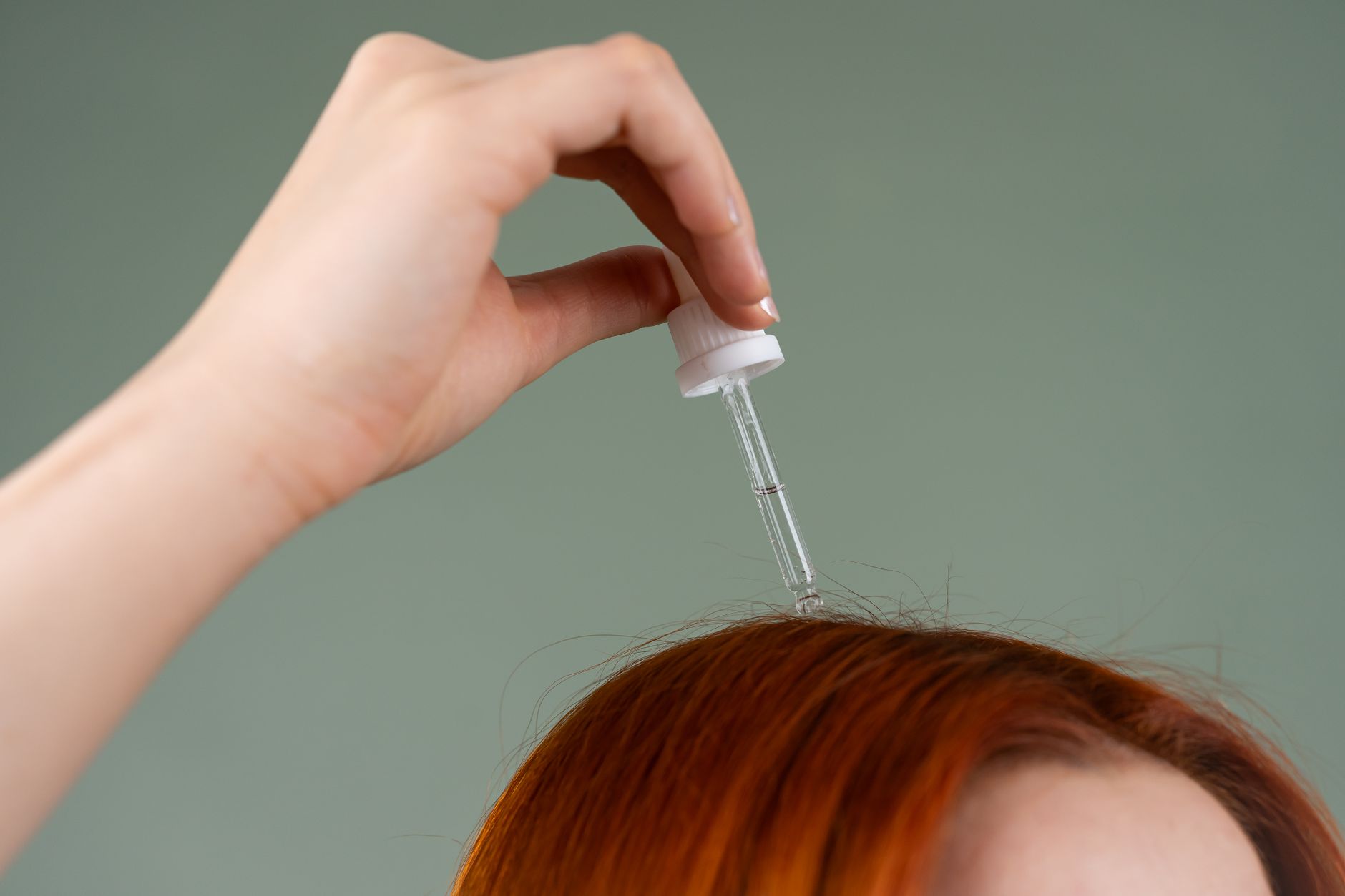
- Essential Oils: Some oils, including peppermint or rosemary, may stimulate hair growth. Mix a few drops with a carrier oil and massage into your scalp.
Hairstyles That Minimize Breakage
Sometimes, the way we style our hair can contribute to additional hair loss. Avoiding tight hairstyles and opting for protective styles can help reduce stress on your hair:
- Loose Buns or Braids: Keep styles loose to avoid tension on the hair shaft.
- Soft Headbands: Using fabric-covered bands can help keep hair out of your face without causing breakage.
- Protective Styles: Consider styles that keep your hair neatly tucked away while minimizing stress and manipulation.
Managing Stress
New parenthood can be stressful, and high levels of stress can contribute to hair loss. Aim for stress management techniques such as:
- Mindfulness meditation
- Gentle exercise like walking or stretching
- Yoga
- Connecting with support groups or other new parents
Expert Treatments and Options
If you find that lifestyle changes and home remedies do not yield the desired results, consider exploring professional options:
Consulting with a Dermatologist
A dermatologist can perform assessments to rule out other underlying conditions that may contribute to hair loss. They may recommend treatments such as:
- Minoxidil: An over-the-counter topical treatment that can help stimulate hair growth.
- Platelet-Rich Plasma (PRP) Therapy: This involves injecting your own platelet-rich plasma into the scalp to stimulate hair follicles.
Safe Hair Color Treatments
For those wishing to change their hair color during this time, it’s essential to choose safe options. Look for:
- Ammonia-free hair dyes to minimize damage
- Natural or organic hair color brands
Common Mistakes to Avoid
Avoid common pitfalls that can exacerbate postpartum hair loss:
- Overwashing: Washing your hair too often can strip it of natural oils. Aim for every other day or less, depending on your hair type.
- Harsh Treatments: Avoid aggressive hair treatments, such as bleaching or excessive heat styling.
- Ignoring Scalp Health: Focus on maintaining scalp health to support hair growth.
Realistic Expectations
Understand that while you can take measures to minimize postpartum hair loss, results will vary. Every woman’s body responds differently, and timing for improvement can differ widely.
Hair growth is generally a slow process—so practice patience. It may take several months after shedding begins before you see noticeable improvement.
Conclusion
In summary, postpartum hair loss is a common experience and can be addressed with proper nutrition, soothing haircare practices, and stress management. By following these tips and options, you can support your journey toward restoring the health of your hair. Remember, it’s crucial for different approaches to be tailored to your personal preferences and lifestyle for the best results.
If you’re looking for more in-depth insights, consider exploring guides about the timelines of postpartum hair loss and when it typically returns to normal with our articles on when postpartum hair loss starts and when it stops.