
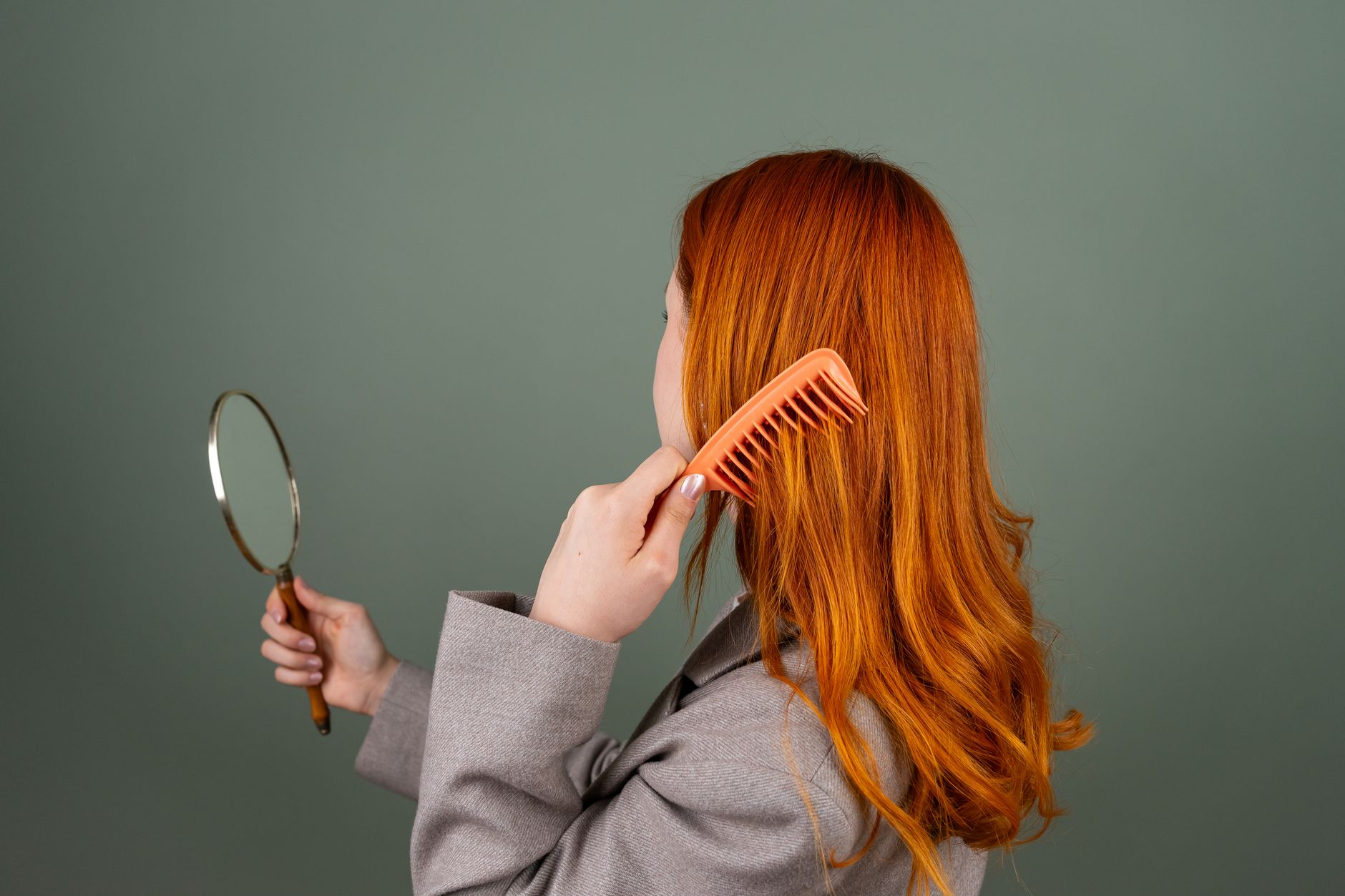
Experiencing hair loss postpartum can leave many new parents feeling bewildered and anxious. Often referred to as postpartum hair loss, this phenomenon is relatively common and can occur after childbirth due to hormonal changes in the body. Understanding when postpartum hair loss stops can help ease concerns and aid in managing this natural transition.
This article will explain the timeline for postpartum hair loss, the reasons behind it, and effective approaches for dealing with the thinning hair that often accompanies this phase. Let’s dive further into what you can expect during this time.
When Does Postpartum Hair Loss Stop?
Postpartum hair loss typically begins around three months after childbirth and can last anywhere from six months to a year. By the time your baby reaches one year, many people notice a significant reduction in hair shedding and a return to their typical hair growth cycle. However, some variations exist, and individual experiences may differ.
Understanding Postpartum Hair Loss
To truly grasp when postpartum hair loss stops, it’s essential to understand what triggers it. The primary cause is hormonal fluctuations that occur during and after pregnancy.
The Role of Hormones
During pregnancy, your body experiences increased hormone levels, particularly estrogen. This surge can lead to an extended growth phase in your hair, resulting in a thicker mane. After childbirth, hormonal levels drop, particularly estrogen, which may trigger the shedding of hair that was retained during pregnancy. This process is known as telogen effluvium, a temporary condition.
The Timeline of Hair Loss
- Within the First Three Months: Most individuals will begin to notice increased hair shedding around this time.
- 3 to 6 Months Postpartum: This is usually the peak of postpartum hair loss, where the most significant shedding happens.
- 6 to 12 Months Postpartum: Shedding typically begins to taper off, and many notice regrowth.
- After One Year: By this time, most individuals find their hair has returned to its pre-pregnancy state.
Factors Influencing Duration of Hair Loss
While the above timeline serves as a general guide, several factors may influence how long postpartum hair loss lasts for each individual. These factors include:
Genetics
Your genetic predisposition plays a significant role in how your body reacts after childbirth, including hair loss. If women in your family have experienced prolonged hair thinning postpartum, it’s more likely you may as well.
Health and Nutrition
A balanced diet rich in vitamins and minerals contributes to healthier hair. Deficiencies in essential nutrients like iron, zinc, and vitamins A, C, D, and E can prolong hair loss. Ensuring you consume a nutrient-dense diet during and after pregnancy can promote hair growth.
Stress Levels
Having a newborn can be incredibly demanding, leading to high stress levels, which may exacerbate hair loss. Practicing stress management techniques can help mitigate this.
Hormonal Levels
Each individual’s hormonal balance can differ significantly, impacting how long hair loss persists. Hormonal imbalances may require medical assistance for correction. Always consult with healthcare professionals for persistent issues.
Managing Postpartum Hair Loss
While it’s crucial to understand that postpartum hair loss is a temporary phase, there are also steps you can take to manage it effectively.
Healthy Diet
A nutritious diet plays a significant role in maintaining hair health. Incorporate the following foods into your diet:
- Lean proteins (chicken, fish, beans)
- Leafy greens (spinach, kale)
- Fruits rich in antioxidants (berries, oranges)
- Nuts and seeds (walnuts, flaxseeds)
- Whole grains (brown rice, quinoa)
Hydration
Proper hydration is essential for overall health, including hair health. Aim to drink plenty of water daily to keep your body and hair hydrated.
Consider Supplements
If you suspect you’re lacking essential nutrients, talk to your healthcare provider about the possibility of adding supplements. Options may include:
- Biotin
- Fish oil (Omega-3s)
- Iron supplements
- Vitamin D
Gentle Hair Care Practices
Taking care of your hair during this time is crucial. Consider the following practices:
- Use a wide-toothed comb to prevent breakage.
- Limit heat styling tools, opting for air-drying when possible.
- Be cautious with hair color and chemical treatments.
- Choose gentle shampoos and conditioners that do not contain harsh sulfates.
Scalp Care
Healthy scalp care can promote a favorable environment for hair growth. Consider incorporating the following practices in your routine:
- Gentle scalp massages to stimulate blood flow.
- Exfoliate the scalp to remove dead skin and encourage healthy growth.
- Consider using hair oils such as rosemary, which some studies suggest may promote hair growth.
Styling Options
During this period, you may want to adjust your hairstyling techniques. Here are some tips:
- Try shorter hairstyles that are easier to style and manage.
- Incorporate hair accessories such as headbands or scarves to hide thinning areas.
- Consider volumizing products or dry shampoos for added texture and volume.
When to Seek Help
While postpartum hair loss is typically a natural process, you might want to consult a healthcare provider if you experience:
- Severe shedding that does not improve over time.
- Changes in the texture or condition of your hair beyond normal patterns.
- Signs of scalp irritation or other concerning symptoms.
A healthcare provider can provide personalized guidance and determine if any underlying issues need addressing.
Psychological Impact of Postpartum Hair Loss
For many, hair is an essential aspect of self-image, and the loss can lead to feelings of distress or decreased self-esteem. Addressing your mental well-being is as important as physical hair health.
Building Support Systems
Connect with fellow parents, either in-person or online, to share experiences. Talking about your concerns can alleviate feelings of isolation and remind you that you are not alone in this journey.
Mindfulness and Self-Care
Practice mindfulness and self-care rituals to counteract negative emotions. Whether it’s yoga, meditation, or simply taking time for yourself, a healthy mind can positively influence how you perceive hair loss.
Overall Expectations for Postpartum Hair Health
Understanding and managing postpartum hair loss can empower you during a challenging time. Here are a few realistic expectations to keep in mind:
- Postpartum hair loss is temporary; it typically resolves within a year.
- Regrowth patterns vary; for some, hair returns to its normal state, while for others, it may take longer.
- Implementing healthy habits can improve the overall quality of your hair.
Conclusion
Postpartum hair loss is a natural process experienced by many, and knowing when it starts and stops can help ease anxiety surrounding this transition. By implementing effective management strategies and prioritizing self-care, you can navigate this phase with confidence and positivity.
For more information about the onset of postpartum hair loss, check out our guide on when postpartum hair loss starts. Additionally, you may explore the potential of using rosemary oil for hair growth.