
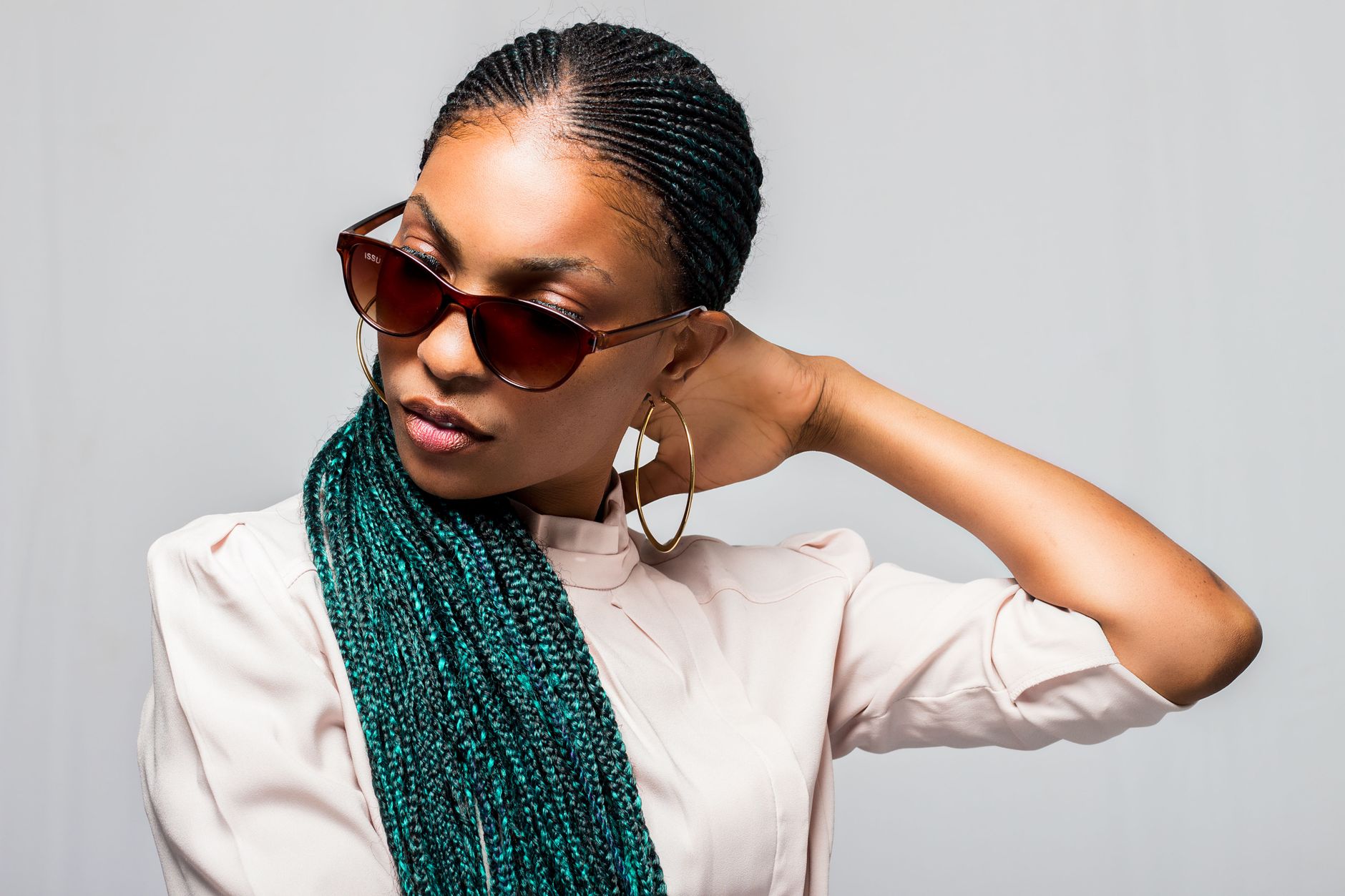
Fulani braids are an intricate and stylish protective hairstyle that originates from the Fulani people, primarily found in West Africa. Known for their elegant appearance, Fulani braids incorporate various techniques and elements, making them a versatile choice for many. This beautiful style not only represents cultural significance but also offers practical benefits for maintaining the health of natural and textured hair.
In this article, we will explore what Fulani braids are, the different types available, and essential styling tips to help you achieve the perfect look while caring for your hair.
What Are Fulani Braids?
Fulani braids, also known as Fulani or Fula braids, are named after the Fulani ethnic group, renowned for their unique and elaborate hairstyles. These braids typically feature a combination of cornrows and individual braids adorned with beads or cowrie shells. The style is not only aesthetically pleasing but also serves as a protective option for natural hair. Fulani braids allow for versatile styling while minimizing hair breakage and promoting growth.
Characteristics of Fulani Braids
Fulani braids stand out due to their distinctive features. Here are the primary characteristics:
- Cornrow Base: Fulani braids usually start as cornrows, which create a neat foundation for the style.
- Individual Braids: The cornrows often lead into individual braids that may vary in length and thickness.
- Adornments: Beads, cowrie shells, and decorative accessories enhance the overall look.
- Side Parting: The braids often feature a central or side part, adding to the dramatic effect of the style.
- Variation in Sizing: Various sizes of braids can be incorporated, allowing for customization to fit personal preferences.
Types of Fulani Braids
There are several types of Fulani braids, each offering a unique take on the traditional style. Here are some popular variations:
1. Classic Fulani Braids
The classic Fulani braid features neatly executed cornrows that lead into individual braids. This version maintains a uniform look and is often adorned with beads at the ends for added flair.
2. Side-Swept Fulani Braids
This variation involves incorporating a side part, resulting in an asymmetrical look. It brings a dynamic, trendy twist to the traditional style while offering the same airy aesthetic.
3. Fulani Braids with Curls
For a softer and more romantic vibe, curls can be added to the ends of the individual braids. This style combines the structured look of the braids with the free-flowing nature of curls, creating a beautiful contrast.
4. Half-Up, Half-Down Fulani Braids
This version involves pulling half of the braids back while letting the rest hang loose. It’s a perfect choice for showing off the length of the braids while keeping hair away from the face.
5. Fulani Braids with Extensions
Using hair extensions can enhance the thickness and length of the individual braids. This allows for more elaborate styles while providing ample protection for natural hair underneath.
How to Style Fulani Braids
Creating stunning Fulani braids requires some basic tools and techniques. Below is a comprehensive guide on how to achieve this striking hairstyle.
Tools You Will Need
- Rat-tail comb for parting
- Hair ties or clips
- Hair extensions (optional)
- Beads or cowrie shells for adornment
- Edge control or gel for sleekness
- Hair moisturizer or leave-in conditioner
Step-by-Step Tutorial for Fulani Braids
- Preparation: Start with clean, dry hair. Detangle thoroughly with a wide-tooth comb and apply your favorite hair moisturizer or leave-in conditioner.
- Sectioning the Hair: Using a rat-tail comb, create a clean center or side part. Divide the hair into sections depending on the style you desire.
- Creating Cornrows: Begin with the first section by cornrowing the hair close to the scalp. Make sure to braid tightly but comfortably to avoid tension on the scalp.
- Adding Individual Braids: Once you reach the end of the cornrow, proceed to create individual braids or twists with the remaining hair. You can incorporate extensions at this point if desired.
- Enhancing with Adornments: Thread beads or cowrie shells onto the ends of the individual braids to personalize your look.
- Finishing Touches: Use edge control or gel to smooth down any flyaways and achieve a polished finish.
Caring for Fulani Braids
While Fulani braids are a protective style, it is essential to maintain the health of your hair while wearing them. Here’s how:
1. Cleanse Regularly
Clean your scalp gently with a diluted sulfate-free shampoo. You can also use a spray bottle with a mixture of water and shampoo for targeted cleaning.
2. Moisturize the Scalp
Use a light hair oil or scalp oil to keep your scalp hydrated. Apply it directly to the scalp to prevent dryness and itchiness.
3. Avoid Tension
Be mindful of the tightness of your braids. If you notice any discomfort or tension, consider adjusting them or reducing the tightness when creating new braids.
4. Limit the Duration
While Fulani braids are low-maintenance, it’s important not to leave them in for an extended time. Aim to refresh your style every 4-8 weeks, depending on how well your hair is holding up.
5. Night Care
Protect your hair at night by wearing a satin or silk scarf, or using a satin pillowcase to reduce friction and moisture loss.
Common Mistakes to Avoid
To ensure the longevity of your Fulani braids while keeping your hair healthy, consider these common mistakes:
- Tight Braiding: Overly tight braiding can lead to traction alopecia and breakage.
- Skipping Moisturizing: Neglecting your scalp and hair during protective styling can lead to dryness, split ends, and stagnated growth.
- Ignoring Scalp Health: Failing to keep your scalp clean can cause buildup, itching, and irritation.
- Wearing the Style Too Long: Leaving braids in for too long can stress your hair and scalp.
Styling Tips for Fulani Braids
Achieving a stunning look with Fulani braids can be enhanced with a few styling tips:
Accessorizing
Accessorizing your Fulani braids can help create a personal style. Consider adding:
- Colorful beads in varying sizes for a playful touch.
- Cowrie shells for an authentic and cultural aesthetic.
- Ribbons or threads woven into the braids for a unique flair.
Mix and Match Styles
Feel free to mix and match with other hairstyles. You can combine Fulani braids with buns, ponytails, or even an updo for a special occasion.
Experiment with Length and Thickness
Varying the thickness of your braids can create an interesting visual effect. You can try combinations of thin and thick braids for a textured look.
Protective Hairstyles
Fulani braids serve as a protective style, which means you can also try layering your braids with wigs or other protective styles over them.
Conclusion
Fulani braids are not only a chic and stylish option for individuals with natural and textured hair, but they also represent rich cultural heritage. By understanding what Fulani braids are, the different types available, how to style them, and the necessary care tips, you can enjoy this beautiful hairstyle while keeping your hair healthy. Whether you’re attempting them for the first time or looking to switch up your look, Fulani braids offer versatility and elegance that can enhance any outfit.
Explore more beauty guides, such as how to do braids or how to style knotless braids to elevate your hairstyling repertoire.