
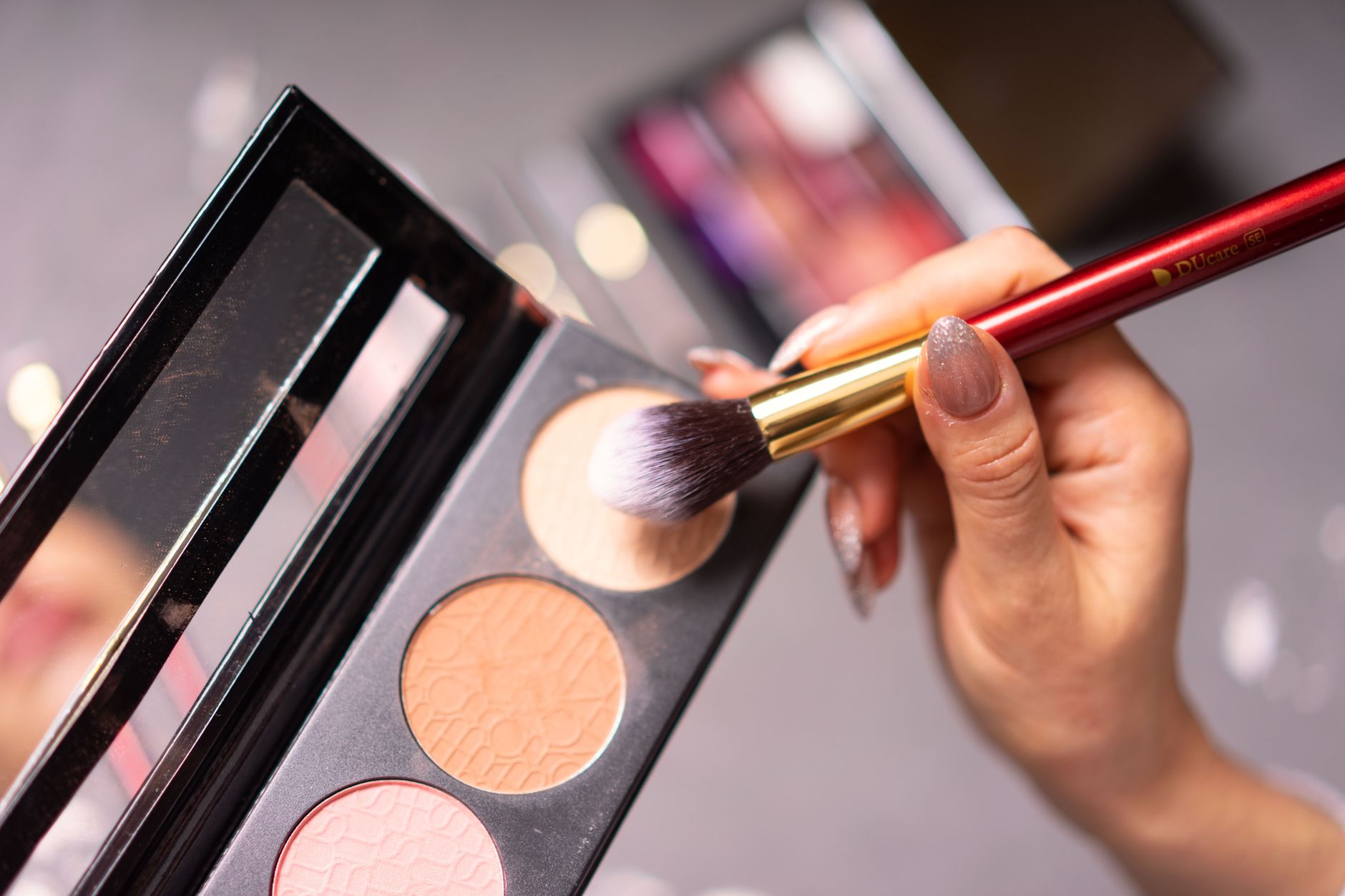
Understanding how to use bronzer effectively can transform your makeup routine, adding warmth and dimension to your face. Proper placement ensures a natural, sun-kissed glow, enhancing your features based on your unique face shape and skin tone.
This guide will explore where bronzer goes, offer placement tips based on different face shapes, and provide practical advice for achieving the perfect bronzed look.
Where Does Bronzer Go?
Bronzer is typically applied on the areas of the face where the sun naturally hits: the forehead, cheeks, and chin. The goal is to create warmth and depth without looking overly done. By knowing the right placement, you can achieve a flattering and natural bronzed effect.
Understanding Bronzer Basics
Before diving into placement techniques, it’s important to understand what bronzer is and how it differs from blush and highlighter. Bronzer adds warmth, while blush adds color to the cheeks, and highlighter emphasizes certain areas to create a luminous effect. Bronzer usually comes in powder, cream, or liquid forms, and selecting the right formula can depend on your skin type and makeup style.
Choosing the Right Bronzer
- Undertones: Select a bronzer that complements your skin’s undertone. Warm undertones often look best with golden or peachy bronzers, while cooler undertones may prefer taupe or reddish shades.
- Finish: Bronzers come in matte, satin, and shimmery finishes. Matte bronzers are great for a natural look, while shimmery options can give a radiant glow.
- Skin Type: Cream and liquid bronzers may work better on dry skin, while powder bronzers are ideal for oily skin types.
Bronzer Placement Based on Face Shape
Your face shape influences how you should apply bronzer. Here’s how to tailor your application based on common face shapes:
1. Oval Face Shape
If you have an oval face, you can apply bronzer to the forehead, cheekbones, and chin. Focus on the upper cheekbones and temples for a sun-kissed look. This shape is quite versatile, allowing flexibility in application.
2. Round Face Shape
For a round face, the goal is to elongate the appearance of your features. Place bronzer along the sides of your forehead, under your cheekbones, and along the jawline. This technique creates the illusion of length, balancing the roundness.
3. Square Face Shape
Softening the jawline is key for square face shapes. Apply bronzer along the hairline, under the cheekbones, and focus on softening the jaw with a subtle shade along the edges. This will soften the angular features of your face.
4. Heart-Shaped Face
Heart-shaped faces can benefit from bronzer on the forehead and around the temples to balance the width of the forehead with the narrower chin. Concentrate on applying bronzer below the cheekbones to add warmth and dimension.
5. Long/Rectangular Face Shape
Those with longer face shapes should concentrate bronzer on the sides of the forehead and the jawline. You may want to apply darker shades along the edges of the jaw and under the cheekbones to help create a shorter appearance.
How to Apply Bronzer: Step-by-Step Guide
Once you know where to place bronzer based on your face shape, it’s essential to understand how to apply it effectively. Here’s a step-by-step guide:
- Prep Your Skin: Start with a clean, moisturized face. If you’re using cream or liquid bronzer, apply it after your foundation and before any powder products.
- Select Your Tools: Use a fluffy brush for powder bronzer, a makeup sponge for creams or liquids, or a foundation brush for a seamless blend.
- Pick Up Product: For powder bronzer, tap off excess product. For cream or liquid bronzer, use a small amount to avoid an overly intense look.
- Start Lightly: Begin applying bronzer to the areas you’ve identified based on your face shape. Keep the layer sheer initially; you can build up intensity gradually.
- Blend, Blend, Blend: Blend the bronzer well, using circular motions to avoid harsh lines. A bronzer should look seamless, mimicking your skin’s natural warmth.
- Finishing Touches: If desired, use a soft brush to add a touch of highlighter on the tops of the cheekbones, a hint on the nose, and the bridge for added dimension.
Common Mistakes to Avoid
Even the most experienced makeup users can make mistakes when applying bronzer. Here are some common pitfalls to be aware of:
- Too Much Product: Start with less product. You can always add more if needed; it’s simpler than trying to remove excess.
- Wrong Shade: Choosing a bronzer that’s too dark or too shimmery can lead to an unnatural look. Always test bronzer on your skin before fully committing.
- Neglecting Blend: Bronzer should seamlessly transition into your skin. Proper blending is key to a polished look.
- Placement Errors: Avoid applying bronzer in a straight line or too low on the cheeks; it can drag the face down instead of lifting it.
Adapting Bronzer for Different Skin Tones
Finding the right bronzer can vary greatly with different skin tones. Here’s how to choose your bronzer based on your complexion:
Light Skin Tones
Opt for light golden shades or soft pink undertones that can add warmth without looking too harsh. Avoid overly dark shades as they may appear muddy on the skin.
Medium Skin Tones
Those with medium skin tones can explore a wider range of bronzers, including warm caramels and sun-kissed copper tones. Look for shades with a balance of warmth and cool tones.
Deep Skin Tones
Golden or deep bronze shades work best on deep skin tones. Rich colors with hints of red or orange can help create a beautiful sun-kissed effect without appearing ashy.
Finishing Your Look
Once you’ve applied bronzer successfully, you may want additional products to set the look:
- Setting Spray or Powder: To ensure longevity, finish your makeup routine with a setting spray or light powder to lock everything in place.
- Dewy Finish: If you prefer a dewy finish, go for a setting spray that imparts hydration and glow without the powder.
- Other Makeup Products: Balance your bronzer with blush and highlighter, remembering to keep the overall look harmonious.
Removing Bronzer
At the end of the day, it’s important to properly remove bronzer and other makeup to maintain healthy skin:
- Cleansing: Use a gentle cleanser to remove makeup without stripping the skin.
- Toning: Follow up with a toner to help rebalance the skin’s pH and remove any remaining residue.
- Moisturizing: Finish with a moisturizer to hydrate and keep your skin healthy.
Final Thoughts on Bronzer Application
Proper bronzer application can elevate your makeup game, enhancing your facial structure and adding a sun-kissed glow. Remember that practice makes perfect, and don’t hesitate to adjust your application technique as per your preferences and face shape.
Next time you’re reaching for bronzer, refer to these tips for placement and application. Experiment with different formulas and shades to find what works best for you!
Ready to explore more about bronzer? Check out these guides on where to apply bronzer and how to apply bronzer for further insights.