
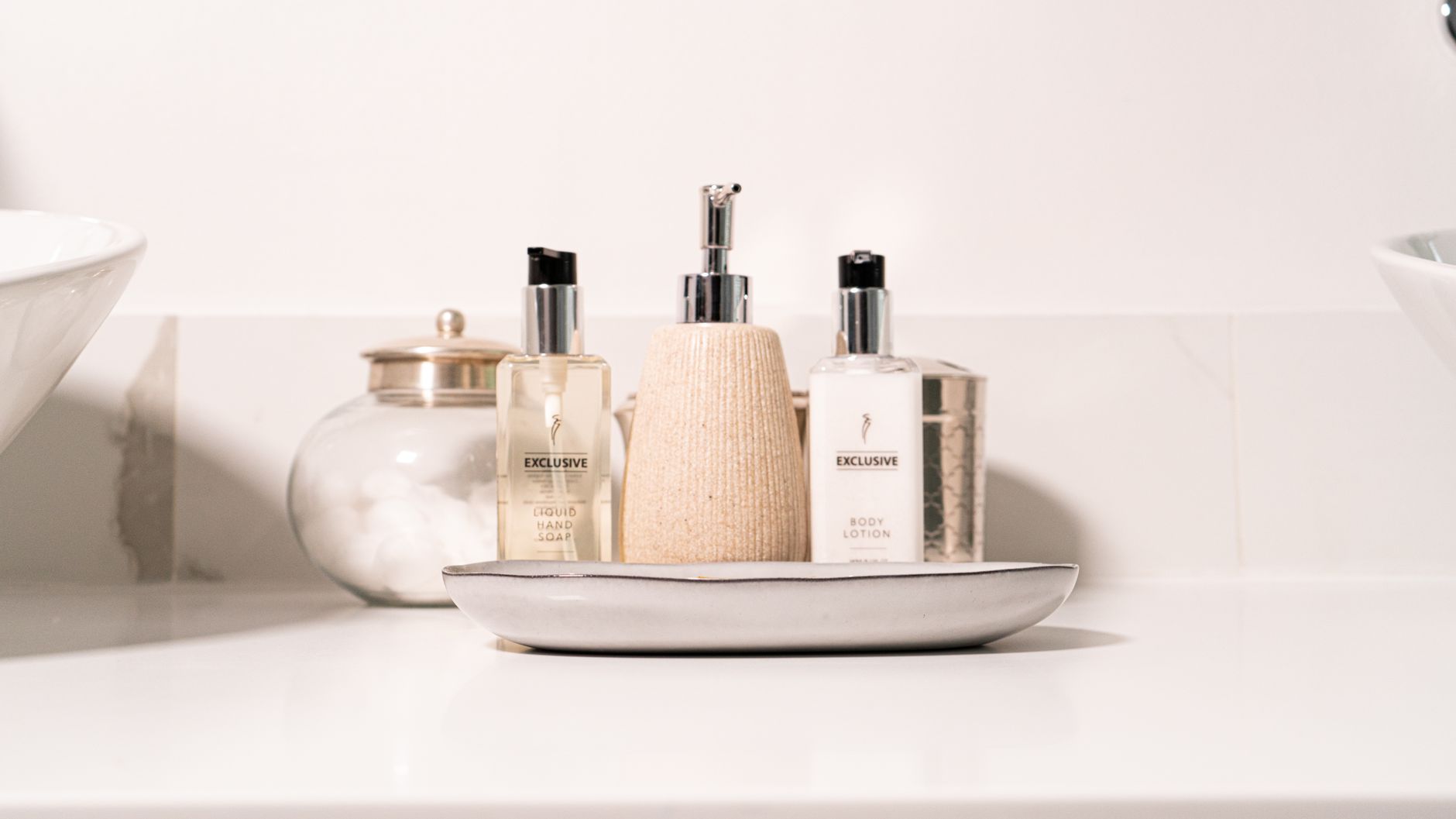
Many wonder if they can switch up their shower routine and use body wash as shampoo, especially when in a pinch. This versatile question taps into the heart of efficient beauty routines and self-care. With the growing popularity of versatile beauty products, let’s uncover the implications of this switch.
Using body wash as shampoo might sound convenient, but there are factors to consider. Understanding the similarities and differences between these products can help ensure you make informed decisions about your hair and body care.
Can I Use Body Wash As Shampoo?
No, it’s not recommended to use body wash as shampoo because the two products serve different purposes. Body wash is formulated to cleanse the skin, while shampoo is designed to cleanse and care for hair and scalp. The ingredients in body wash can lead to buildup on the scalp and hair, causing dryness or irritation.
Understanding Body Wash and Shampoo
Before deciding to use body wash as shampoo, it’s crucial to understand their formulations and intended uses. Let’s break down what makes these products distinct:
What Is Body Wash?
Body wash is a liquid cleanser designed to cleanse the skin. It typically contains:
- Surfactants: These agents help lift dirt and oil from the skin.
- Moisturizers: Many body washes contain moisturizing ingredients that benefit skin texture.
- Fragrances and dyes: These ingredients often enhance the sensory experience but can irritate sensitive skin.
What Is Shampoo?
Shampoo is designed explicitly for the hair and scalp. Its formulation usually includes:
- Surfactants: Similar to body washes but formulated to deeply cleanse hair without removing essential oils.
- Conditioning agents: Many shampoos include ingredients that help soften hair and enhance manageability.
- pH balance: Shampoo is often tailored to the specific pH of hair to maintain the cuticle’s health.
What Happens If You Use Body Wash as Shampoo?
Using body wash as shampoo can lead to unwanted effects. Here’s what you might experience:
Potential Effects on Hair and Scalp
- Buildup: Body wash may leave residues that lead to buildup on the scalp, making hair feel heavy and greasy.
- Dryness: Ingredients in body wash may not provide the moisture and nourishment that hair requires, potentially leading to dry, brittle strands.
- Scalp irritation: Fragrances and harsh surfactants in body washes can irritate the sensitive skin on the scalp, leading to itchiness or rashes.
Comparing Ingredients
The core ingredients in body wash and shampoo differ in concentration and formulation. For instance, a body wash may contain high levels of cleansing agents that could strip hair of moisture, causing it to appear dull and lifeless. Additionally, many body washes feature fragrances and colors that could exacerbate skin sensitivities.
When Is It Okay to Use Body Wash as Shampoo?
While it’s generally not recommended, there are a few situations where using body wash as shampoo may be more acceptable:
In Emergency Situations
If you’re in a bind—traveling, at a friend’s house, or have run out of shampoo—body wash can serve as a temporary cleaning solution. Keep in mind that this should not become a permanent routine. If you find yourself in this situation, opt for a mild, unscented body wash to minimize irritation.
Two-in-One Products
Some two-in-one products are designed to function as both shampoo and body wash. These products are formulated with both hair and skin in mind, striking a balance between cleansing without over-drying. If you find yourself regularly borrowing body wash for your hair, consider investing in a quality two-in-one formulation.
Alternative Solutions for Hair Care
If you’re looking to simplify your beauty routine without sacrificing the health of your hair and scalp, consider the following alternatives:
Co-Washing
Co-washing, or conditioner washing, uses a conditioner to cleanse your hair without the stripping effects of traditional shampoo. It’s an excellent choice for those with dry or textured hair types as it helps maintain moisture levels.
Shampoo Bars
Shampoo bars are solid shampoos that offer a more compact form of your hair care routine. They are often manufactured using natural ingredients and can be more environmentally friendly. Many shampoo bars offer great cleansing properties without unnecessary additives.
Dry Shampoo
In a bind or between washes, dry shampoo can help absorb excess oil and refresh your hair without the need for water. This is especially beneficial for those with oily hair types who may not wash their hair daily.
Proper Hair Care Practices
To maintain healthy hair and scalp without resorting to body wash, consider integrating the following practices into your routine:
Understand Your Hair Type
Every hair type requires a unique approach. Whether you have straight, wavy, curly, or coily hair, the products you select should consider texture, density, and porosity. Here’s a general overview:
- Straight hair: Fine or oily hair may benefit from lightweight shampoos, while coarse straight hair requires more moisturizing agents.
- Wavy hair: Look for shampoos that enhance your natural wave pattern while ensuring adequate moisture.
- Curly hair: Curly hair often needs more moisture; opt for sulfate-free shampoos that contain hydrating components.
- Coily hair: Coily hair types thrive with hydrating shampoos that are rich in nourishing oils.
Develop a Routine
Building a hair care routine should include the following steps:
- Shampoo: Begin by applying a small amount of shampoo onto wet hair and massaging it into your scalp.
- Condition: Apply conditioner mainly on the mid-lengths and ends of your hair to provide moisture.
- Style: Use styling products as needed, ensuring they suit your hair type to avoid damage.
- Wash Frequency: Determine how often to wash your hair based on your lifestyle and hair type; not all hair types require daily washing.
Nourish Your Scalp
Healthy hair begins with a healthy scalp. Incorporate scalp treatments or masks into your routine, depending on your scalp’s needs—whether you battle dryness, sensitivity, or oiliness.
Common Mistakes to Avoid
When navigating hair care, it’s essential to sidestep some common pitfalls to maintain healthy hair and scalp:
Over-Washing
Washing your hair too frequently can strip it of natural oils, leading to dryness and irritation. Make sure to adjust washing frequencies based on your hair type and lifestyle.
Neglecting the Scalp
Many focus primarily on hair length and ends, neglecting the scalp. Always massage the scalp gently while shampooing to promote circulation and address buildup.
Choosing the Wrong Products
Not all hair types react positively to the same products. Pay close attention to your hair’s unique needs and select products accordingly. Always read labels and be mindful of the ingredients.
Signs of Irritation and When to Seek Help
If you’ve used body wash on your hair or face persistent hair or scalp issues, be on the lookout for signs of irritation:
- Itching or redness on the scalp.
- Excessive dryness or oiliness after washing.
- Flaking or strange textures developing in your hair.
If these signs occur, it may be wise to consult with a hair care professional or dermatologist to address the issue effectively. They can recommend appropriate products or treatments tailored to your needs.
Building a Realistic Search for Hair Care Products
When looking for suitable hair care products, consider the following steps:
Ingredient Awareness
Before purchasing any hair products, check the ingredient list to ensure that you are aware of what you are applying to your hair and scalp. Look for nourishing ingredients that suit your hair type, such as:
- Natural oils (such as argan oil, avocado oil, or coconut oil)
- Aloe vera for hydration
- Proteins to strengthen hair structure
Start Slowly
When introducing new products, start with one at a time to assess how your hair and scalp respond. This gradual approach makes it easier to identify any adverse reactions.
Consult Resources
Utilize reputable online resources or communities that focus on hair care. Educating yourself can help you make informed choices tailored to your specific needs.
Final Thoughts
While the temptation to use body wash as shampoo might arise, understanding the differences and unique needs of both products paves the way for better hair care practices. Prioritize using products designed for your hair to maintain its health and vitality.
Your next best action is to take stock of your hair care products and ensure they align with your hair type and needs. Take a moment to explore how to properly care for your hair and scalp. Consider useful guides like Can I Dye My Hair Wet? and Can You Use Body Wash As Shampoo? for more insights into hair and beauty topics.