
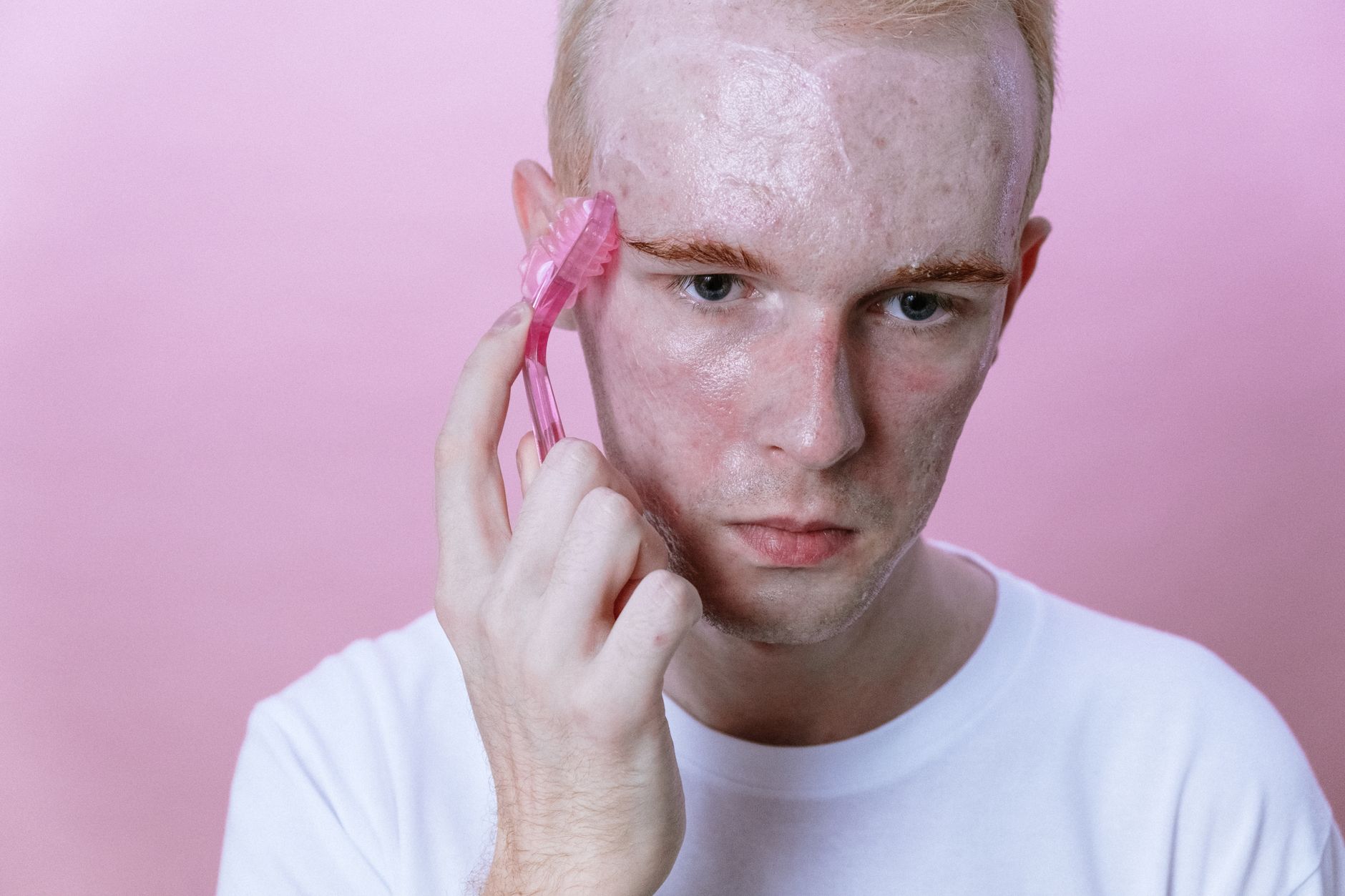
Pimples can be a frustrating and common skincare concern for many people, regardless of age or skin type. Understanding the healing timeline of a pimple can help set realistic expectations and inform choices about treatment and prevention. This guide explores how long it typically takes for a pimple to go away and factors that can influence this process.
While the average healing time for a pimple ranges from a few days to a week, individual experiences vary. Factors like skin type, the cause of the pimple, and treatment methods employed all play crucial roles in determining how quickly a blemish may clear up.
How Long Does It Take for a Pimple to Go Away?
On average, a pimple may take anywhere from 3 to 7 days to heal, depending on its type and the treatment regimen you’re using. Some factors, such as skin type and severity, can either speed up or prolong this timeline.
Understanding Different Types of Pimples
There are several different types of pimples that can appear on the skin. Each type may have a unique healing timeline:
- Whiteheads: Closed comedones may take 3 to 4 days to heal, especially if they are not picked or squeezed.
- Blackheads: These open comedones can be more stubborn. They may take longer to resolve and might require treatments like exfoliation over weeks.
- Papules: Red and inflamed bumps that typically take about one week to heal, given proper care and avoidance of irritation.
- Pustules: Similar to papules but filled with pus, pustules generally take about 5 to 7 days to heal.
- Cysts: Deep, painful bumps under the skin can take much longer, often weeks or even months, making them one of the hardest types of pimples to treat.
Factors Influencing Healing Time
Several factors can influence how quickly a pimple fades, including:
1. Skin Type
Individuals with oily skin may experience frequent breakouts, as excess sebum can clog pores, leading to pimples. In contrast, dry skin might develop pimples less frequently but may take longer to heal due to lack of moisture.
2. Treatment Methods
The approach you take to treat your pimples can significantly impact healing time. Over-the-counter treatments containing ingredients like benzoyl peroxide or salicylic acid may expedite the healing process.
3. Picking or Squeezing
Resisting the urge to pick or squeeze a pimple is crucial. Doing so can lead to prolonged healing times, increased inflammation, and even scarring.
4. Lifestyle Choices
Lifestyle factors such as diet, sleep, and stress levels can also affect how quickly a pimple resolves. Consuming a balanced diet and ensuring adequate sleep can enhance skin health.
What You Can Do to Help Heal Pimples Faster
There are several effective ways to promote healing and reduce the appearance of pimples:
1. Follow a Consistent Skincare Routine
A proper skincare routine can help manage oil levels, prevent clogged pores, and expedite healing. Here’s a basic routine to follow:
- Gentle Cleanser: Use a mild, non-comedogenic cleanser to wash your face twice daily.
- Toner: Apply a toner that suits your skin type to help balance the skin’s pH.
- Treatment: Use an appropriate acne treatment targeting the active pimple.
- Moisturizer: Apply a lightweight, oil-free moisturizer to keep the skin hydrated.
- SPF: Protect your skin with a broad-spectrum sunscreen during the day.
2. Use Targeted Treatments
Specific treatments can help reduce inflammation and promote healing. Look for products containing:
- Benzoyl Peroxide: Known for its antibacterial properties.
- Salicylic Acid: It helps exfoliate the skin and unclog pores.
- Tea Tree Oil: A natural antibacterial with soothing properties.
- Niacinamide: Can reduce redness and improve skin barrier function.
3. Apply Ice to Reduce Swelling
Applying a cold compress or ice wrapped in a cloth to the affected area can help reduce swelling and inflammation, leading to quicker healing.
4. Maintain a Healthy Lifestyle
Your lifestyle choices greatly impact skin health. Make sure to:
- Stay Hydrated: Drink plenty of water to keep your skin hydrated.
- Eat a Balanced Diet: Incorporate fruits, vegetables, and whole grains into your meals, while reducing sugar intake.
- Manage Stress: Consider mindfulness techniques or exercise to manage stress levels effectively.
- Get Enough Sleep: Aim for 7-8 hours of restful sleep each night.
5. Avoid Irritation
Some ingredients found in scrubs and harsh cleansers might irritate the skin further. Avoid any products that make your skin feel tight or dry.
Common Mistakes to Avoid
Avoiding common pitfalls can greatly enhance healing time:
- Popping Pimples: This often leads to scarring and can prolong healing.
- Over-Treating: Applying too much product can irritate the skin.
- Neglecting Moisturizer: Even oily skin needs hydration; skip this step at your peril.
- Ignoring SPF: Protecting healing skin from UV rays is crucial to prevent discoloration.
When to Consult a Professional
While most pimples are manageable at home, some cases may require professional advice. Consider seeing a dermatologist if:
- Your acne is severe, cystic, or persistent.
- You experience pain or discomfort with your blemishes.
- At-home treatments do not yield improvements.
- You have concerns about scarring or skin discoloration.
Realistic Expectations for Healing
It’s essential to set realistic expectations when managing pimples. Healing times can vary widely, and while some may clear up in a few days, others may take longer based on individual circumstances. Stressing about a pimple will not help it heal any faster.
Conclusion
Pimples may be a nuisance, but understanding their healing timelines and taking appropriate measures can expedite the process. By following a consistent skincare routine, using targeted treatments, and maintaining a healthy lifestyle, you can enhance your skin’s healing capacity.
For those looking for specific treatments, check out guides on how to get rid of pimples overnight and how long spironolactone takes to work for acne. Each approach can offer valuable insights tailored to unique concerns and skin types.