
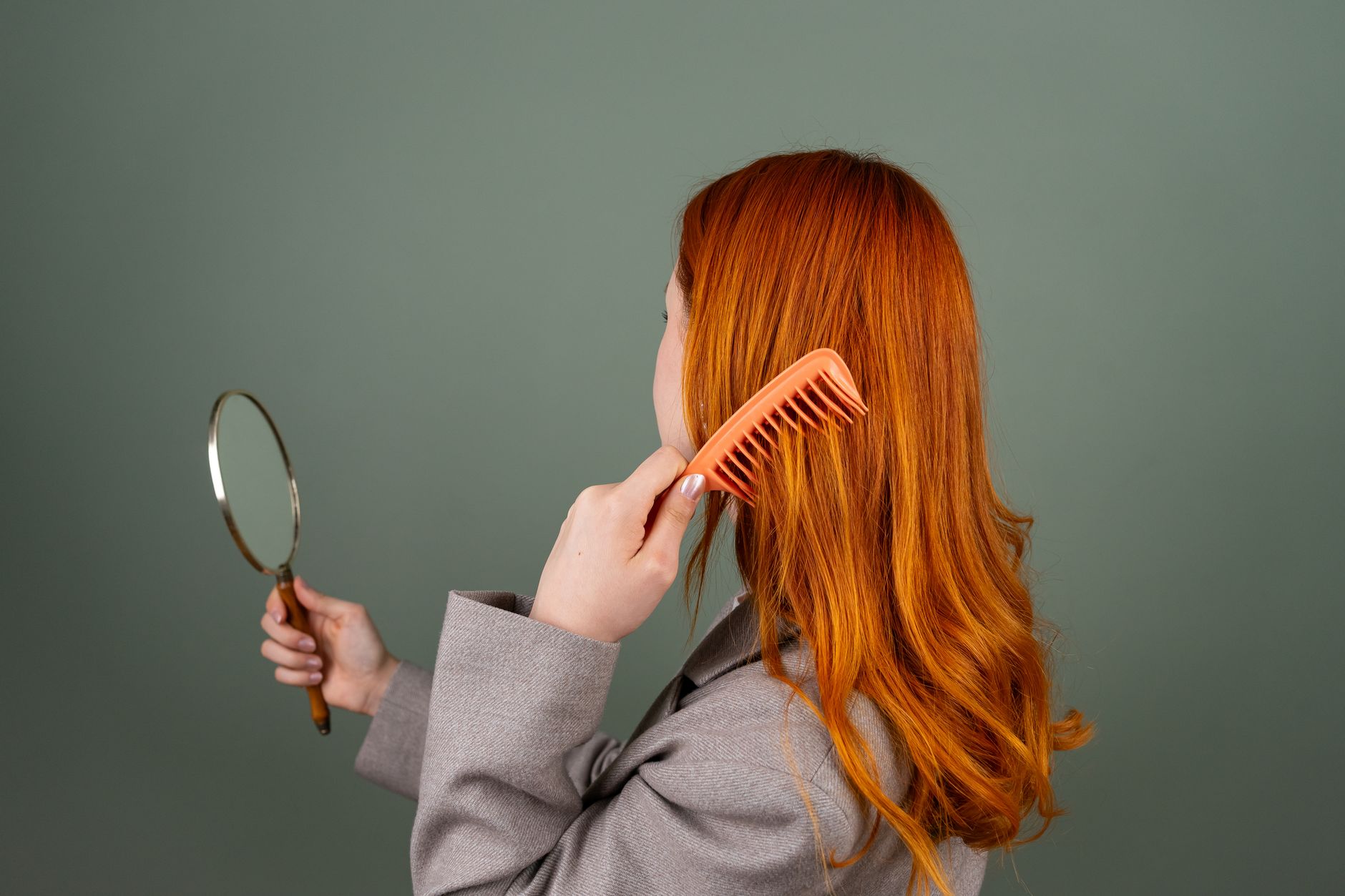
Is your hair looking greasy just one day after washing? You’re not alone! Greasy hair can be a hassle, leading to discomfort and frequent washing. Understanding the reasons for excessive oil production in the scalp can help address this concern and restore your hair’s health and cleanliness.
This article will explore the causes behind greasy hair, debunk common myths, and provide practical tips to manage and prevent an oily scalp effectively. With the right knowledge and care routine, you can keep your hair fresh and manageable all week long.
Why Does My Hair Get Greasy After One Day?
Your hair gets greasy after one day primarily due to overactive sebaceous glands that produce excess oil. Factors like hair type, scalp condition, diet, and lifestyle choices all contribute to the oiliness of your hair.
When the sebaceous glands in your scalp become hyperactive, they produce more sebum (natural oil), leaving your hair looking limp and shiny. Understanding the causes can help you create an effective routine to combat grease.
Understanding Sebum and Its Function
Sebum is the natural oil produced by sebaceous glands located in the skin’s follicles. Its primary functions include:
- Moisturizing the scalp and hair, preventing dryness.
- Protecting against bacterial and fungal growth.
- Maintaining healthy hair texture and shine.
While sebum is essential for keeping hair healthy, too much of it can lead to greasy hair. So, what causes this excess sebum production?
Common Causes of Greasy Hair
1. Genetics
Some individuals naturally have more active sebaceous glands, leading to greasier hair. If your parents experienced oily hair, there’s a chance you may too.
2. Hair Type and Texture
Hair type plays a vital role in how oily it becomes. For instance:
- Straight hair tends to accumulate oil more quickly as the oil can disperse evenly along the shaft.
- Curly or textured hair may take longer to reach greasiness, as the twists and turns can retain oil closer to the scalp.
3. Overwashing or Underwashing
Overwashing your hair can trigger your scalp to produce more oil as it tries to compensate for the loss of sebum. On the other hand, not washing enough can result in a buildup of oil.
4. Product Build-Up
Using heavy styling products, conditioners, or shampoos not suited for your hair type can lead to residue that weighs down your hair and adds to the greasiness. Always choose lightweight products that are appropriate for your specific hair type.
5. Hormonal Changes
Fluctuations in hormones, especially during puberty, menstruation, pregnancy, or menopause, can lead to increased oil production. Hormonal imbalances can significantly affect your sebaceous glands and hair health.
6. Diet and Hydration
Your diet has a direct impact on your scalp’s oil production. High sugar and refined carbohydrate consumption can lead to increased oiliness in hair. Additionally, inadequate hydration may trigger the scalp to overcompensate with excess oil.
7. Stress and Lifestyle
Stress can impact hormone levels and lead to oilier skin and scalp. Adopting a healthier lifestyle, including regular exercise and relaxation techniques, can help manage stress levels and balance sebum production.
8. Medical Conditions
Certain medical conditions may influence oil production. Conditions like seborrheic dermatitis, scalp psoriasis, or hormonal disorders may lead to greasy hair. Consulting a dermatologist if you suspect any underlying issues is essential for appropriate care.
Managing Greasy Hair: Practical Tips
Now that we’ve explored the causes, let’s discuss practical strategies to manage greasy hair effectively.
1. Adjusting Your Hair Washing Routine
Finding the right washing frequency is essential. Consider the following:
- If you wash your hair daily and still experience greasiness, try skipping a day or two to allow your scalp to balance its oil production.
- For those who wash infrequently, consider increasing your frequency gradually to remove excess oil without shocking your scalp.
2. Choose the Right Shampoo
Opt for shampoos specifically designed for oily hair. Look for ingredients like:
- Salicylic acid: Helps regulate oil production.
- Tea tree oil: Has antimicrobial properties and balances sebum.
- Citrus extracts: Offer a refreshing cleanse that controls oil.
Always remember to clarify or exfoliate your scalp regularly to remove buildup, but avoid overly harsh formulas that may irritate your scalp.
3. Invest in Lightweight Conditioners
Opt for lightweight conditioners formulated for oily hair. Focus primarily on the ends of your hair, avoiding the scalp area to prevent added grease.
4. Minimize Product Use
Limit the use of styling products that can lead to buildup. When using products, choose non-comedogenic or lightweight options that won’t weigh down your hair.
5. Dry Shampoo as an Ally
Dry shampoo can be a lifesaver for managing greasy hair. It absorbs excess oil and adds volume without the need for washing. Follow these steps for optimal use:
- Shake the dry shampoo canister well.
- Hold it about six inches from your scalp and spray it directly onto oily roots.
- Let it sit for a few minutes to absorb oil.
- Massage it into the scalp with your fingers or brush for an even finish.
6. Mind Your Diet
Consider revising your diet to include more whole foods, fruits, and vegetables while reducing sugary and processed foods. Ensure you’re also drinking enough water to stay hydrated.
7. Stress Management
Adopt stress-reducing practices, such as:
- Regular exercise to boost endorphins.
- Mindfulness techniques like meditation or yoga.
- Adequate sleep to allow your body to recover.
8. Scalp Treatments
Incorporate scalp treatments ranging from natural oils to commercially available scalp scrubs. Options like apple cider vinegar and clay masks can help balance scalp oiliness.
9. Consult a Professional
If you’ve tried different approaches and still struggle with greasy hair, seeking advice from a dermatologist is essential. They can provide personalized recommendations based on your scalp condition and medical history.
Common Mistakes to Avoid
- Over-brushing: While it may seem like a good way to distribute oil, over-brushing can stimulate oil production.
- Using hot water for washing: Hot water can strip your scalp of moisture, causing it to produce more oil to compensate.
- Ignoring product labels: Always check for sulfates, parabens, and heavy oils that may contribute to grease.
Realistic Expectations
Understanding that managing greasy hair requires patience is vital. It may take several weeks of consistent care to see a significant difference. Focus on finding the right products and routines that work specifically for your hair.
Conclusion
Your hair getting greasy after one day is a common issue rooted in various factors like genetics, hair type, and lifestyle. By understanding the causes and implementing tailored strategies—from adjusting your washing routine to choosing lightweight products—you can achieve healthier, fresher-looking hair. Remember to stay patient and experiment with different methods, as consistency is key.
Next time you’re faced with greasy hair, try one of these tips or routines to help combat excess oil. Consider checking out guides on how often you should shampoo your hair, as it can provide additional insights into maintaining your hair health. Explore more about why hair gets greasy so fast to deepen your understanding of this common concern.