
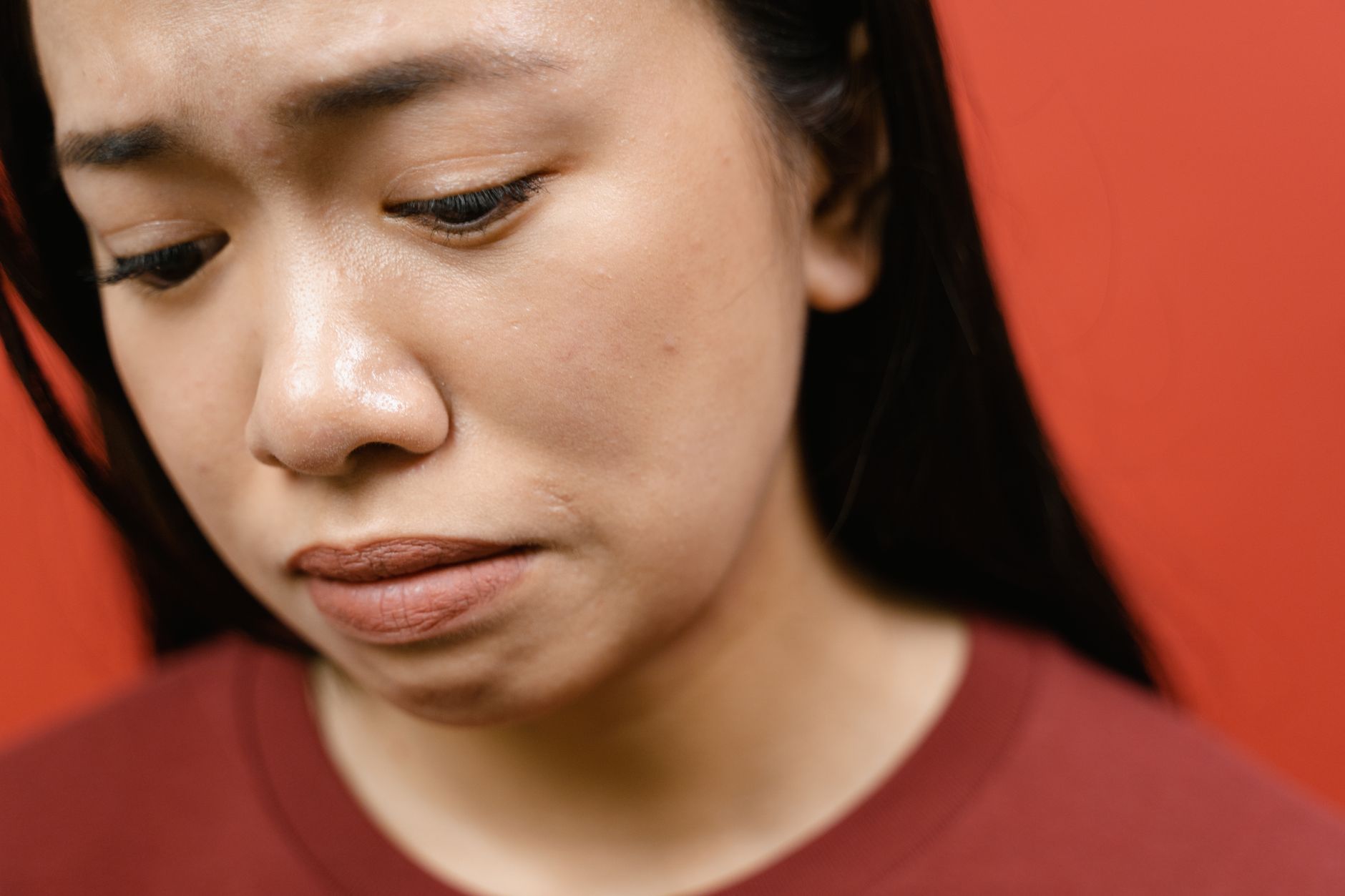
Rosacea is a common skin condition that affects millions of people worldwide, yet many aren’t familiar with what it looks like. Understanding the symptoms and signs of rosacea can help you identify it and seek appropriate care. In this article, we’ll explore what rosacea looks like, its different types, the common symptoms, and provide skin tips to help manage its appearance.
Rosacea can be mistaken for other skin issues, making it a complex condition to understand. With the right information and resources at your disposal, you can learn to recognize rosacea and adopt strategies to care for your skin effectively.
What Does Rosacea Look Like?
Rosacea manifests differently in individuals, but common signs include persistent facial redness, visible blood vessels, and sometimes pustules or papules. The redness is often most noticeable on the cheeks, nose, chin, and forehead, creating a flushed appearance. Some may also experience dry patches, swelling, and feelings of warmth or sensitivity, especially around the eyes.
In severe cases, rosacea can also lead to thickening of the skin on the nose, known as rhinophyma. Understanding these symptoms can help you discern whether you or someone you know exhibits signs of this condition.
Symptoms of Rosacea
Rosacea is characterized by several key symptoms, which can vary widely among individuals. Here are the most common symptoms associated with rosacea:
- Facial Redness: A persistent reddening of the skin, similar to blushing. This is often a primary indicator of rosacea.
- Visible Blood Vessels: Small blood vessels become enlarged and prominent, particularly on the nose and cheeks.
- Pustules and Papules: Red bumps that can resemble acne, often accompanied by pus.
- Dry or Flaky Skin: Rosacea can lead to dry patches of skin, particularly around the affected areas.
- Swelling and Sensitivity: The skin may become swollen and more sensitive than usual, leading to discomfort.
- Eye Issues: Some individuals with rosacea may experience symptoms such as burning, itching, or redness in the eyes, a condition known as ocular rosacea.
- Rhinophyma: In more advanced stages, the skin on the nose may thicken, resulting in a bulbous appearance, although this is less common.
What Are the Types of Rosacea?
Rosacea can be categorized into different subtypes based on its symptoms and areas affected. Understanding these types can assist in identifying and managing the condition more effectively:
- Erythematotelangiectatic Rosacea: Characterized by facial redness and visible blood vessels. This is the most common form.
- Papulopustular Rosacea: Features acne-like breakouts and persistent redness.
- Phymatous Rosacea: Causes thickening of the skin on the nose (rhinophyma). It may also affect the cheeks and forehead.
- Ocular Rosacea: Involves symptoms affecting the eyes, including dryness, irritation, and redness.
Common Triggers for Rosacea
Rosacea can be exacerbated by various environmental and lifestyle factors. Being aware of potential triggers is crucial for managing flare-ups. Some common triggers include:
- Sun Exposure: UV rays can aggravate rosacea symptoms.
- Temperature Changes: Extreme heat or cold, as well as high humidity, can provoke flare-ups.
- Spicy Foods: Foods that cause flushing can worsen redness.
- Alcohol: Drinking alcohol, particularly red wine, is a known trigger for many individuals.
- Stress: Emotional stress can lead to an increase in symptoms.
- Skin Care Products: Harsh products may irritate the skin and worsen conditions.
Photos of Rosacea
Visual aids can be invaluable for recognizing rosacea. Many websites, dermatology resources, and medical guides provide images that show various stages and types of rosacea. Observing these can help you identify similar patterns on your skin or in others. Remember, only a qualified dermatologist can provide a definitive diagnosis, but being aware of the appearances is a beneficial first step.
Managing Rosacea: Skin Tips
While there is currently no cure for rosacea, many strategies can help manage and improve its symptoms. Here are practical skin tips to consider:
1. Develop a Gentle Skincare Routine
Opt for products designed for sensitive skin. Look for:
- A mild, hydrating cleanser without fragrance or alcohol.
- Moisturizers that contain soothing ingredients like glycerin or hyaluronic acid.
- Sun protection with at least SPF 30; consider mineral sunscreens, as they are often gentler on sensitive skin.
2. Avoid Irritating Ingredients
Be cautious with skincare products. Common irritants to avoid include:
- Alcohol
- Fragrance
- Exfoliants like alpha-hydroxy acids, beta-hydroxy acids, and retinoids
3. Stay Hydrated
Keeping your skin hydrated is essential. Use a humidifier if you live in a dry climate, and drink plenty of water throughout the day to support your skin’s health.
4. Be Mindful of Temperature
Try to avoid extreme temperatures and protect your face from sun exposure using wide-brim hats or seeking shade whenever possible. Also, consider wearing a scarf in cold weather.
5. Manage Stress
Practice relaxation techniques, such as yoga, meditation, or deep breathing exercises, to help manage and mitigate stress flare-ups.
6. Consult with a Dermatologist
Regular check-ups with a dermatologist can ensure that you’re on the right track. They can recommend medications or topical treatments that can help manage rosacea.
Makeup Tips for Rosacea
Makeup can be a fantastic tool for masking symptoms of rosacea while enhancing your natural beauty. Here are a few tips:
1. Use Green Tinted Primer
Green-tinted primers are great for neutralizing redness before applying foundation.
2. Opt for Lightweight Coverage
A tinted moisturizer or lightweight foundation can provide coverage without heavy layers that may irritate the skin.
3. Choose Mineral Makeup
Mineral cosmetics may be gentler on sensitive skin compared to traditional makeup.
4. Set Your Makeup Properly
Use a setting spray to ensure your makeup sits well and lasts throughout the day, minimizing the need for touch-ups.
5. Be Cautious with Removal
Use gentle makeup removers to prevent irritation when taking off your makeup at the end of the day.
When to Seek Professional Help
If you suspect you have rosacea or notice worsening symptoms, it’s essential to consult with a healthcare professional. Early intervention can help manage symptoms and improve skin quality effectively. Symptoms that warrant a visit include:
- Persistent redness lasting several weeks.
- Increased sensitivity or painful sensations on the skin.
- Changes in vision or eye discomfort.
Support and Resources
The journey with rosacea can be challenging, but remember you are not alone. Many online communities and resources can provide support and information. Connecting with other individuals struggling with rosacea may also offer tips and camaraderie.
Conclusion
Understanding what rosacea looks like and recognizing its symptoms is the first step towards better management. While it can be difficult to navigate, a solid skincare routine, avoidance of triggers, and the right products can significantly improve skin appearance and comfort. Excellent skincare, mindfulness regarding triggers, and consultation with experts can all help in managing rosacea effectively. For more information on treating rosacea, check out this helpful guide on how to get rid of rosacea.
Explore more related beauty guides on our site to continue your journey toward healthy skin and effective beauty routines.