
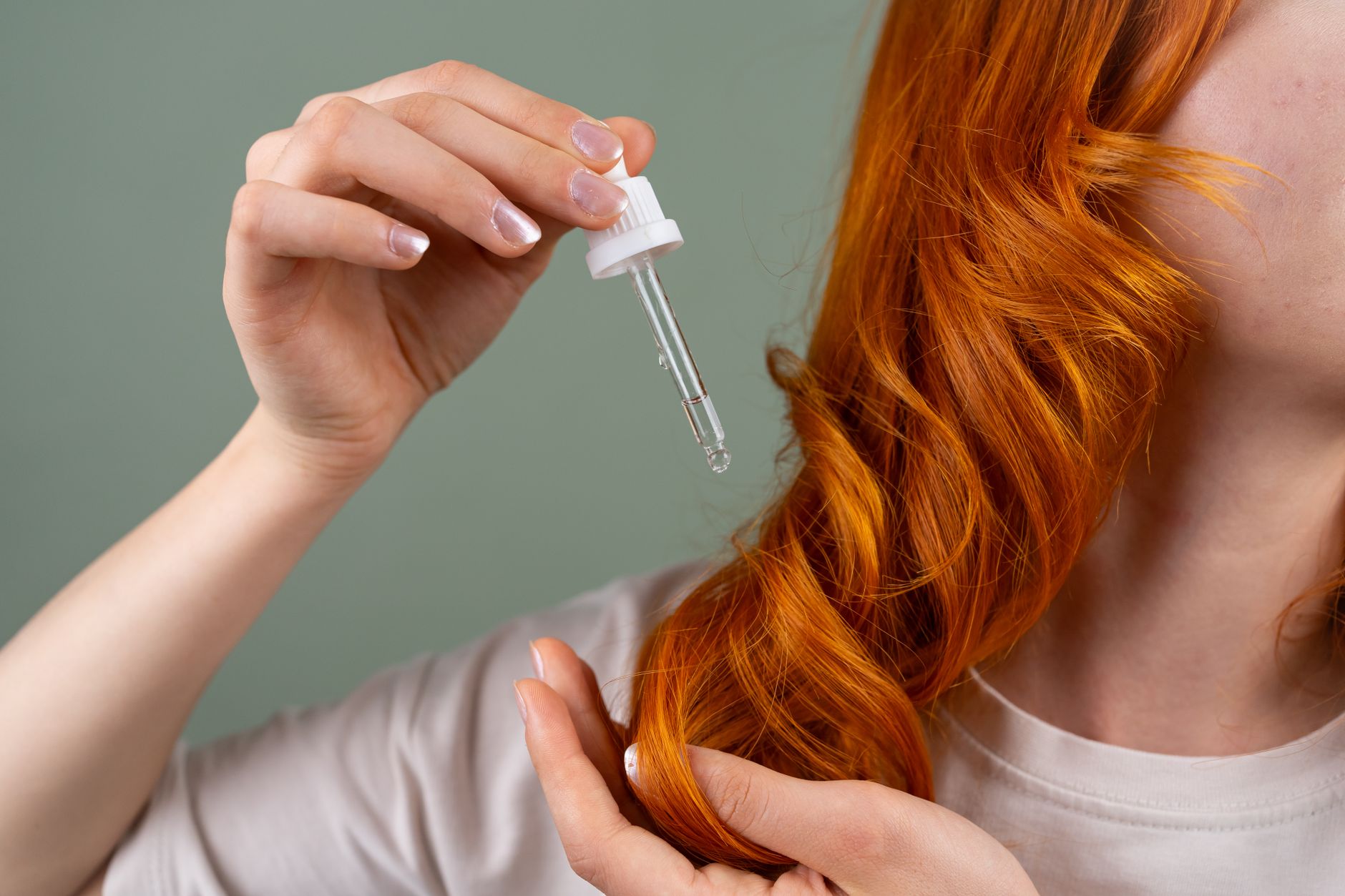
Olive oil has become a popular ingredient in various beauty routines, particularly in hair care. With its rich nutrient profile and moisturizing properties, many individuals wonder if it is indeed beneficial for their hair. Exploring its potential benefits, risks, and safety measures can help you determine how to incorporate this natural oil into your hair care routine.
This article delves into the advantages of using olive oil for hair, discusses its suitability for different hair types, examines potential risks, and provides guidance on how to use it safely for optimal results.
Is Olive Oil Good for Hair?
Yes, olive oil can be good for hair. It is known for its nourishing and moisturizing properties that may help improve hair texture, increase shine, and reduce frizz. However, individual experiences can vary based on hair type and texture.
Benefits of Olive Oil for Hair
Olive oil is celebrated for its numerous benefits for hair health. Here are some of the key advantages:
- Nourishment: Olive oil is rich in essential fatty acids and antioxidants, which can nourish and strengthen hair.
- Moisture Retention: It acts as a natural moisturizer, helping to retain hydration in the hair shaft, particularly for dry or damaged hair.
- Frizz Control: By smoothing the hair cuticle, olive oil can help reduce frizz, making hair more manageable.
- Scalp Health: The anti-inflammatory properties of olive oil may promote a healthy scalp and potentially reduce dandruff.
- Shine Enhancement: Regular use of olive oil can increase shine, giving hair a healthy, glossy appearance.
- Improved Elasticity: Olive oil may enhance hair elasticity, reducing breakage and split ends.
How to Use Olive Oil for Hair
Incorporating olive oil into your hair care routine is simple. Here’s how to use it effectively:
- Choose the Right Olive Oil: Opt for extra virgin olive oil for the best quality.
- Patch Test: Before applying it to your hair, perform a patch test on a small area of your skin to check for any allergic reactions.
- Use as a Pre-Wash Treatment: Apply olive oil to dry hair and scalp, focusing on the tips. Leave it on for 30 minutes to an hour, then wash it out with your regular shampoo.
- Mix with Other Ingredients: Combine olive oil with ingredients like honey, avocado, or egg for a nourishing hair mask.
- Use as a Leave-In Conditioner: Apply a small amount of olive oil to the ends of damp hair for added moisture and shine.
- Limit Frequency: Depending on your hair type, using olive oil once a week may be sufficient to reap its benefits without weighing hair down.
Types of Hair that Can Benefit from Olive Oil
While olive oil can be beneficial for many hair types, its effects may vary. Here’s how it may suit different hair textures:
Curly Hair
Individuals with curly hair often benefit from the moisturizing properties of olive oil, as it can help define curls and reduce frizz.
Straight Hair
Those with straight hair may find olive oil useful for adding shine and preventing dryness while being cautious not to over-apply, which can lead to a greasy appearance.
Color-Treated Hair
Color-treated hair can become dry and brittle. Olive oil may provide the nourishment needed to maintain its health and vibrancy.
Thick Hair
Thicker hair may respond well to olive oil as a deep conditioning treatment, helping to soften and manage the hair.
Fine Hair
Those with fine hair should use olive oil sparingly, as too much can lead to heaviness. A few drops can work wonders without weighing hair down.
Risks and Considerations
Although olive oil offers many benefits, it is important to be aware of potential risks and considerations:
- Heavy Texture: For some hair types, olive oil may feel too heavy or greasy if not used in moderation.
- Pore Clogging: It can potentially clog pores on the scalp, leading to buildup and possibly affecting hair health.
- Allergic Reactions: Some individuals may be allergic to olive oil, leading to irritation or rash. Always perform a patch test before use.
- Overuse: Using olive oil too frequently can cause a buildup that makes hair appear dull or greasy instead of shiny.
Safety Measures When Using Olive Oil
To ensure a safe and effective experience with olive oil, consider these safety measures:
- Patch Test: Always conduct a patch test before full application to ensure you do not have an allergic reaction.
- Application Amount: Use a small amount initially to assess how your hair reacts.
- Wash Thoroughly: Make sure to wash your hair thoroughly after using olive oil to prevent buildup.
- Consult a Professional: If you have specific scalp conditions or hair concerns, consult a hairstylist or dermatologist for tailored advice.
Combining Olive Oil with Other Hair Care Ingredients
Olive oil can be effectively combined with other ingredients to enhance its benefits. Here are a few popular combinations:
Olive Oil and Honey
This mixture acts as a powerful natural conditioner, as honey hydrates while olive oil provides nourishment. Mix equal parts of both, apply to hair, leave for 30 minutes, then rinse.
Olive Oil and Avocado
Both ingredients are rich in vitamins and fatty acids. Blend ripe avocado with olive oil and apply for a deeply moisturizing hair mask.
Olive Oil and Coconut Oil
This combination provides additional hydration and nourishment. Mix them in equal parts and use as a pre-shampoo treatment for enhanced moisture.
Olive Oil and Egg
The protein in eggs can strengthen hair while olive oil moisturizes. Whisk one egg with a tablespoon of olive oil and use as a hair mask.
Common Mistakes When Using Olive Oil
To maximize the effectiveness of olive oil and avoid potential pitfalls, be mindful of these common mistakes:
- Using Too Much: Overapplying olive oil can lead to greasy hair. Start with a small amount and adjust as needed.
- Skipping Wash-Out: Failing to wash out olive oil properly can lead to buildup and a heavy feel.
- Not Considering Hair Type: Using olive oil without considering your unique hair needs can yield mixed results.
- Applying on Dry Hair: Depending on your hair type, certain applications may work better on damp hair for even absorption.
Realistic Expectations When Using Olive Oil
While olive oil can bring various benefits, it’s essential to maintain realistic expectations. Here are a few points to remember:
- Results may vary based on individual hair type, condition, and overall health.
- It may take several applications before noticeable improvements in hair texture, shine, or hydration.
- Olive oil is not a cure-all; alongside using olive oil, consider a well-rounded hair care routine.
Conclusion
Incorporating olive oil into your hair care routine can offer a range of benefits, including nourishment, moisture retention, and frizz control. However, paying attention to your hair type and using it in moderation will yield the best results. Always consider your specific needs and perform patch tests to ensure safety.
If you’re interested in exploring other natural options for hair care, consider checking out guides on coconut oil for hair, such as Is Coconut Oil Good for Your Hair? and What Does Coconut Oil Do for Your Hair?.