
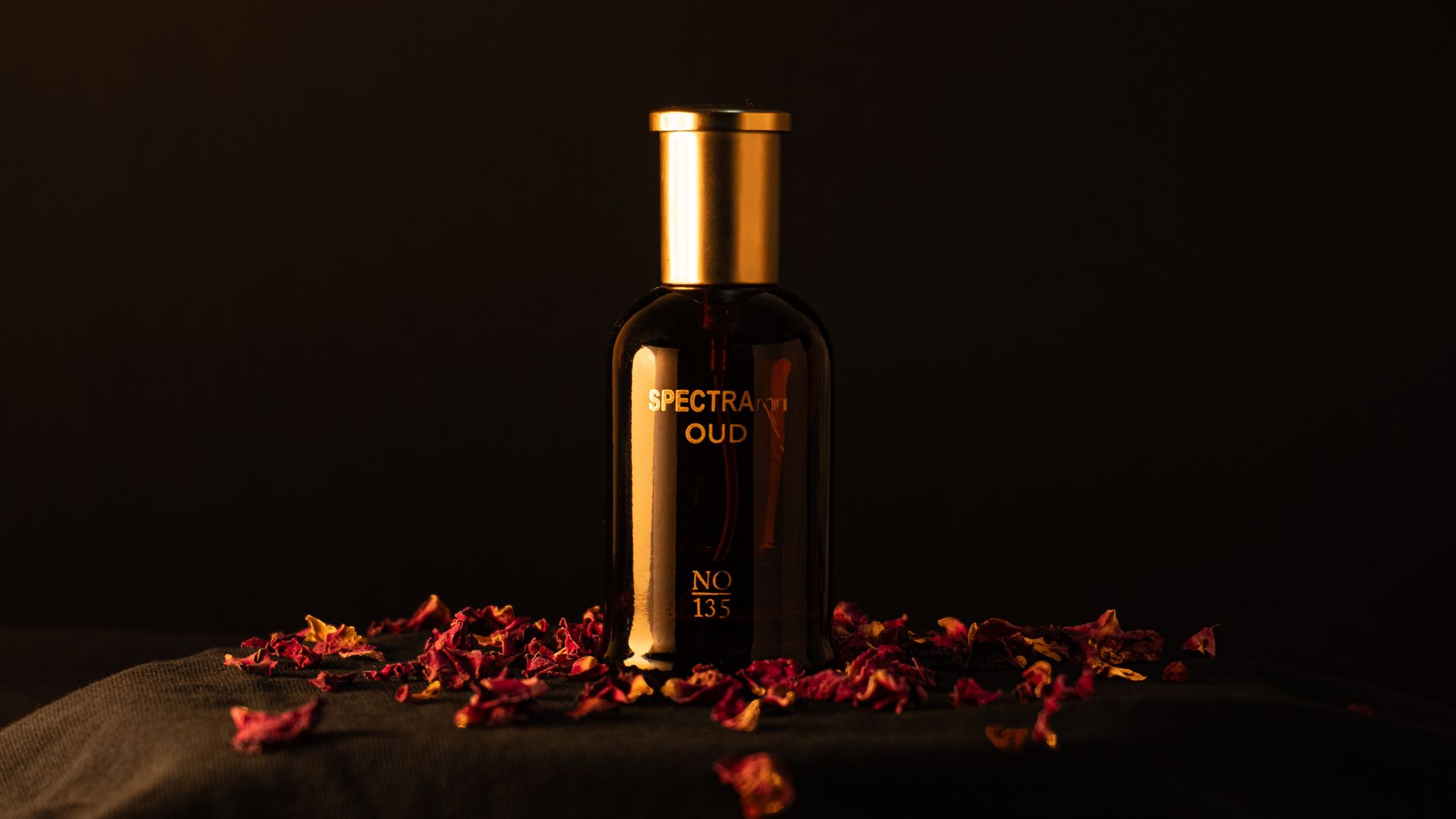
The exotic and enchanting aroma of oud has gained popularity in the fragrance world for its rich, warm, and woody profile. People often ask, “What is oud scent?” Understanding its origins, scent notes, and uses in perfumes can help you appreciate the allure of this unique fragrance and even consider adding it to your beauty routine.
This article explores oud scent in depth, covering its origins, scent characteristics, and how it’s used in perfumes. Whether you’re a fragrance enthusiast or new to the world of oud, you’ll find valuable information to help you navigate its captivating qualities.
What Is Oud Scent?
Oud, also known as agarwood, is a highly prized fragrance ingredient derived from the resinous heartwood of the Aquilaria tree. This scent is celebrated for its complexity, combining rich, earthy, and woody notes that create an aromatic experience unlike any other. Often regarded as one of the most expensive woods in the world, oud is used in various perfumery and aromatic applications.
Origins of Oud
The origins of oud can be traced back thousands of years to Southeast Asia, where the Aquilaria tree grows. The production of oud occurs when the tree becomes infected with a specific mold, prompting it to produce a dark resin as a defense mechanism. This resin-infused wood is then harvested and distilled into essential oil or used directly in perfumery.
Geographic Source
Countries such as India, Thailand, Cambodia, and Bhutan are significant producers of oud. The specific characteristics of oud can vary depending on its geographic source, climate, and growing conditions. For example:
- Indian Oud: Known for its rich, complex, and deep scents.
- Thai Oud: Often lighter and fresher, with slightly fruity undertones.
- Malaysian Oud: Has a more earthy and oily quality, with a stronger aroma.
Scent Notes of Oud
The scent profile of oud is multifaceted, known for its deep, rich, and woody aroma that can evoke feelings of warmth and sophistication. Oud notes can vary depending on the specific type and processing method, but some common characteristics include:
Top Notes
Upon initial application, oud may present lighter notes that are often floral, fruity, or even citrusy. These top notes can include:
- Rose
- Saffron
- Fruits like peach or pear
Heart Notes
As the scent develops, the heart notes become more prominent. This is where the signature oud profile begins to emerge with deeper, richer scents comprising:
- Woody accords
- Earthy undertones
- Smoky notes
Base Notes
The base notes of oud provide a warm and lasting finish. These can include:
- Balsamic tones
- Leather
- Amber and musk
How Oud Is Used in Perfumes
Oud is a versatile ingredient used in various ways within the fragrance industry. Its uses extend far beyond just being a single note; it often serves as a foundational element in creating complex fragrances.
Fragrance Blending
Oud’s deep character can elevate and enhance other fragrance notes. It pairs particularly well with:
- Citrus notes
- Floral notes
- Spicy accords
By blending oud with such diverse notes, perfumers can craft fragrances that appeal to a broad audience, from those preferring lighter, floral scents to those leaning towards heavier, more opulent profiles.
Usage in Traditional and Middle Eastern Perfumes
In Middle Eastern cultures, oud is often burned as incense and is a staple ingredient in traditional perfumes like Arabic attars. These perfumes are typically concentrated oils used without alcohol and represent a pervasive part of Middle Eastern culture. Oud perfumes in this realm are often rich, complex, and designed to evoke a sense of luxury and tradition.
Modern Western Perfume Incorporation
Western brands have increasingly embraced oud in their fragrance lines. Often, these fragrances blend oud with contemporary notes to create modern interpretations. You may find oud included in:
- Women’s and men’s perfumes
- Unisex fragrances
- Layering scents intended for mixing
Choosing Oud Scents
When selecting an oud fragrance, consider the following factors to find a scent that aligns with your personal preferences:
Concentration Levels
Fragrances come in various concentrations. Here’s a quick guide to understanding fragrance strength:
| Type | Concentration |
|---|---|
| Perfume Extract | 20-40% |
| Eau de Parfum | 15-20% |
| Eau de Toilette | 5-15% |
| Eau de Cologne | 2-5% |
The higher the concentration, the richer and longer-lasting the scent will be. However, higher concentrations may also come with a higher price tag.
Testing for Compatibility
A patch test can be very beneficial when trying oud fragrances. Recommended steps include:
- Apply a small amount of the oud scent to your wrist or inner elbow.
- Allow it to settle for at least 30 minutes to an hour.
- Monitor for any allergic reactions or sensitivity.
Scent Personalization
Consider your personal preferences. Do you enjoy warm, spicy scents, or are you more inclined toward fresh, light aromas? Oud can fit into both categories based on how it’s blended. Exploring different formulations can lead you to a fragrance that resonates with you.
Common Mistakes When Choosing and Using Oud Scents
Even though oud is a popular fragrance option, potential pitfalls can lead to unsatisfactory experiences. Here are some common mistakes people may make:
Overapplication
Oud is potent and long-lasting. Applying too much can overwhelm the senses. Start with a small amount and build as needed.
Not Considering Skin Chemistry
The way a fragrance interacts with your skin’s chemistry can significantly affect its scent. Oils and sweat can alter the aroma. Testing before you buy is crucial to ensure compatibility.
Assuming All Ouds Are the Same
Oud can vary widely based on its source and type. Not all ouds have the same scent; some may be lighter, sweeter, or more intense. Taking the time to explore different variations can help you find the perfect scent for your taste and style.
Oud in Popular Fragrances
Here are a few notable perfumes that feature oud and are well-regarded in the fragrance community:
- Creed Royal Oud: A balanced fragrance that combines earthy oud with citrus and spice, making it perfect for daily wear.
- Tom Ford Oud Wood: A contemporary take on oud, blending warm spices and woody notes with a smooth and refined character.
- Acqua di Parma Colonia Oud: This fragrance marries fresh citrus with rich oud in a refined blend, offering a luxurious scent experience.
Incorporating Oud Into Your Beauty Routine
If you’re interested in exploring oud further, here are a few ways you can incorporate this scent into your daily beauty regimen:
Fragrance Layering
Layering different scents can create a uniquely personal fragrance. Consider using a scented lotion or body oil that complements your oud fragrance for a cohesive aromatic experience.
Home Fragrance
Oud can elevate your home ambiance through candles, incense, or room sprays. Burning oud incense is a traditional practice in Middle Eastern cultures and can invoke a serene and calming atmosphere.
Special Occasions and Events
Due to its intense and luxurious nature, oud can be an ideal fragrance for special events or occasions. Its captivating scent can leave a lasting impression.
Final Thoughts
Oud is a fragrant ingredient with a rich history and a unique ability to captivate the senses. Its complex profile ranges from warm and earthy to sophisticated and refined, making it a beloved ingredient in the world of perfumery. By understanding its origins, scent notes, and application methods, you can confidently explore the world of oud fragrances and find the perfect scent that resonates with you.
If you’re intrigued by this complex aroma, take some time to explore the different oud options. From luxurious perfumes to home fragrances, this scent offers a wealth of experiences waiting to be discovered. Don’t forget to check our guides on what oud is and what oud smells like for further insights.