
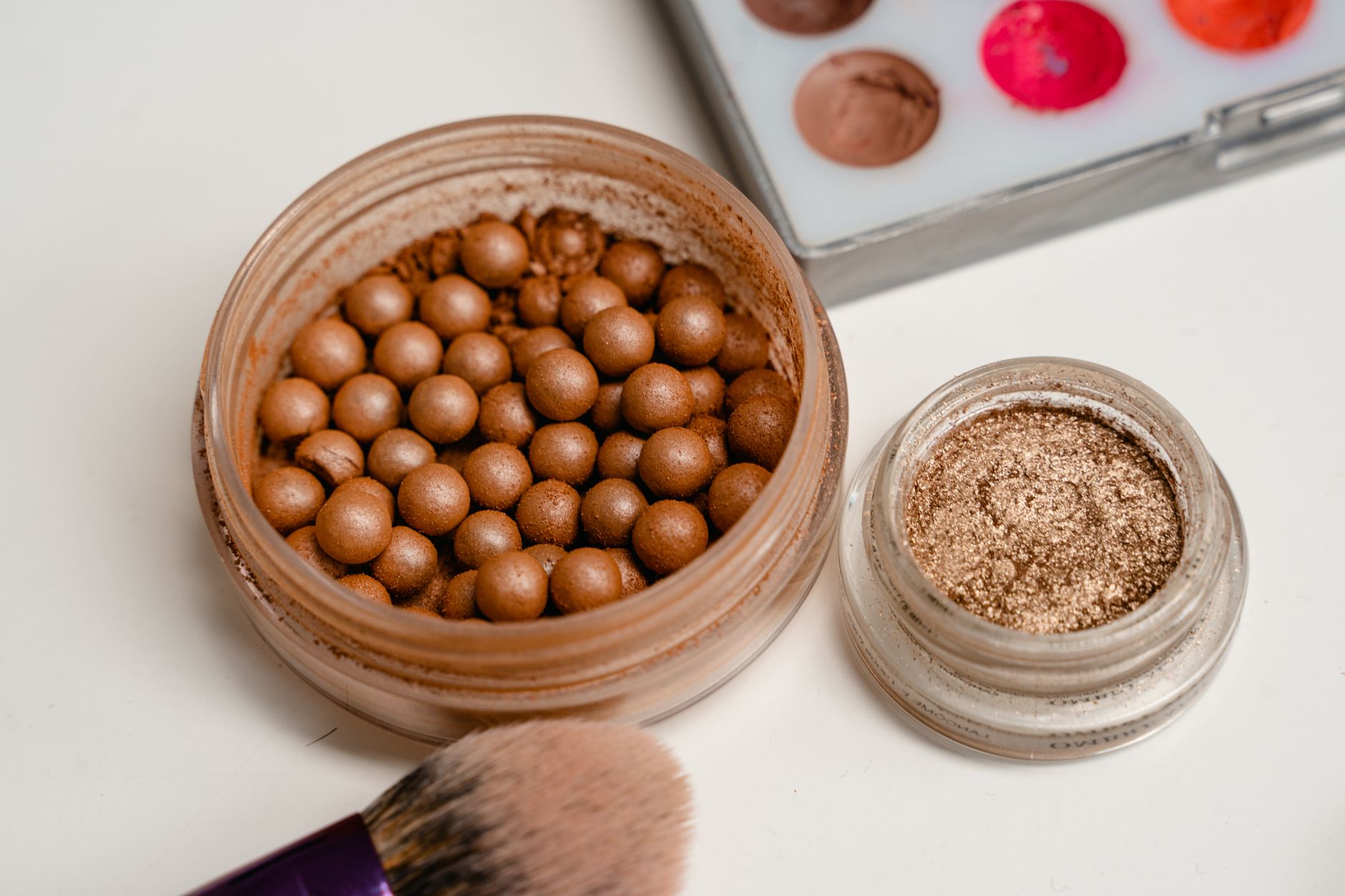
Bronzer is a versatile makeup product that enhances the warmth and dimension of your face, bringing a sun-kissed glow to your complexion. However, the effectiveness of bronzer largely depends on where and how you apply it. This guide will help you master bronzer placement and blending techniques for a natural, radiant look.
Understanding the right spots to apply bronzer can help you sculpt your features without overwhelming your makeup look. Whether you’re new to bronzing or looking to refine your technique, this article is your comprehensive guide to achieving that perfect bronzed glow.
Where to Apply Bronzer?
To achieve a natural and flattering bronzed appearance, bronzer should be applied to key areas of your face where the sun naturally hits—typically, the forehead, cheeks, and nose. Follow these specific placements for an inviting, sun-kissed visage.
Key Areas for Bronzer Application
- Forehead: Apply bronzer along your hairline and temples to create warmth and dimension.
- Cheekbones: Brush bronzer onto the high points of your cheeks, allowing your natural bone structure to shine through.
- Nose: For added definition, lightly dust bronzer down the bridge of your nose.
- Jawline: Use bronzer along your jawline to help define your features.
- Chin: A touch of bronzer on your chin can unify your overall look.
Blending Bronzer for a Flawless Finish
Proper blending techniques are essential to avoid harsh lines and achieve a seamless appearance. Here are some tips to blend bronzer effectively:
Use the Right Tools
The tools you use can significantly affect your bronzer application. Here are some recommendations:
- Makeup Brush: A fluffy angled brush allows for a soft, diffused application.
- Stippling Brush: This can provide a more airbrushed look, ideal for cream bronzers.
- Makeup Sponge: A damp sponge can help in pressing the bronzer into the skin for a natural effect.
Blending Techniques
- Start applying bronzer lightly—the key is to build up the color gradually.
- Use circular or sweeping motions with your brush or sponge to blend the bronzer into your skin.
- Focus on blending towards the hairline; this will create a more natural transition.
- Check your makeup in different lighting to ensure the bronzer appears blended and natural.
Choosing the Right Bronzer for Your Skin Tone
Bronzer comes in various shades and formulations, making it essential to choose one that complements your skin tone:
- Fair Skin: Opt for light, cool-toned bronzers with a hint of pink or peach.
- Medium Skin: Look for warm, golden shades that enhance your complexion without overwhelming it.
- Dark Skin: Rich, deep bronzers with warm undertones will provide the best results.
Types of Bronzer
There are several kinds of bronzers available, each with its unique finish:
- Powder Bronzer: Ideal for oily skin or a matte finish.
- Cream Bronzer: Suitable for dry skin, providing a luminous and dewy look.
- Liquid Bronzer: Versatile and easy to blend; great for a fresh, natural look.
- Stick Bronzer: Perfect for targeted application and convenience.
Common Mistakes to Avoid with Bronzer
Avoiding common pitfalls can help you achieve a flawless bronzed look. Here are some mistakes often made:
- Using too much product, making your look appear cakey.
- Applying bronzer on the wrong areas, which can distort your facial features.
- Choosing a shade too dark for your skin tone, leading to an unnatural appearance.
- Not blending properly, resulting in visible lines and patches.
Tips for a Natural-Appearance Bronzer
If a natural look is your goal, consider the following tips:
- Always start light and gradually build the color until you achieve your desired intensity.
- Pair bronzer application with blush for balance; this adds a touch of color to your cheeks.
- Using a setting spray can help meld the bronzer into your skin for a seamless finish.
Seasonal Adjustments: When to Use Bronzer
Your makeup routine may change with the seasons. Here’s how to adjust your bronzer application accordingly:
Summer
During warmer months, bronzer can be used more liberally for that sun-kissed glow. Choose lighter textures like powders or gel formulations that are sweat-resistant.
Winter
In colder months, opt for cream bronzers as they provide hydration while giving a radiant finish. Focus on applying bronzer more delicately to maintain warmth without looking overly shimmery.
Final Touches: Completing Your Look
After applying bronzer, it’s essential to complete your makeup for a cohesive look:
- Highlighter: Apply highlighter to the high points of your face (cheekbones, brow bone, and cupid’s bow) to add luminosity.
- Setting Powder: Use a translucent powder over bronzer to set your makeup, especially if you have oily skin.
- Eyebrows and Eyes: Well-groomed brows and neutral eyeshadow can enhance your bronzed look further.
How to Remove Bronzer
At the end of the day, proper removal of bronzer is crucial for your skin’s health:
- Begin with an oil-based makeup remover or micellar water to dissolve the bronzer.
- Follow up with a gentle cleanser to remove any residue thoroughly.
- Moisturize after cleansing to keep your skin hydrated.
Frequently Asked Questions about Bronzer
Can I use bronzer every day?
Yes, bronzer can be used daily as part of your makeup routine, but applying it lightly and blending well is essential for a natural look.
Can I use bronzer on my body?
Absolutely! Bronzer can be used on the body to enhance a tan or add warmth to your arms and décolletage.
Summary of Bronzer Application
Bronzer is a fantastic way to add warmth and dimension to your makeup routine. By focusing on where to apply bronzer, properly blending and choosing the right formula for your skin tone, you can achieve a stunning, natural glow. Remember to avoid common mistakes and adjust your techniques according to the seasons for the best results.
If you’re ready to take your makeup skills further, explore other tutorials like how to contour and how to apply eyeshadow. These guides can enhance your overall look and allow you to master the art of makeup application.