
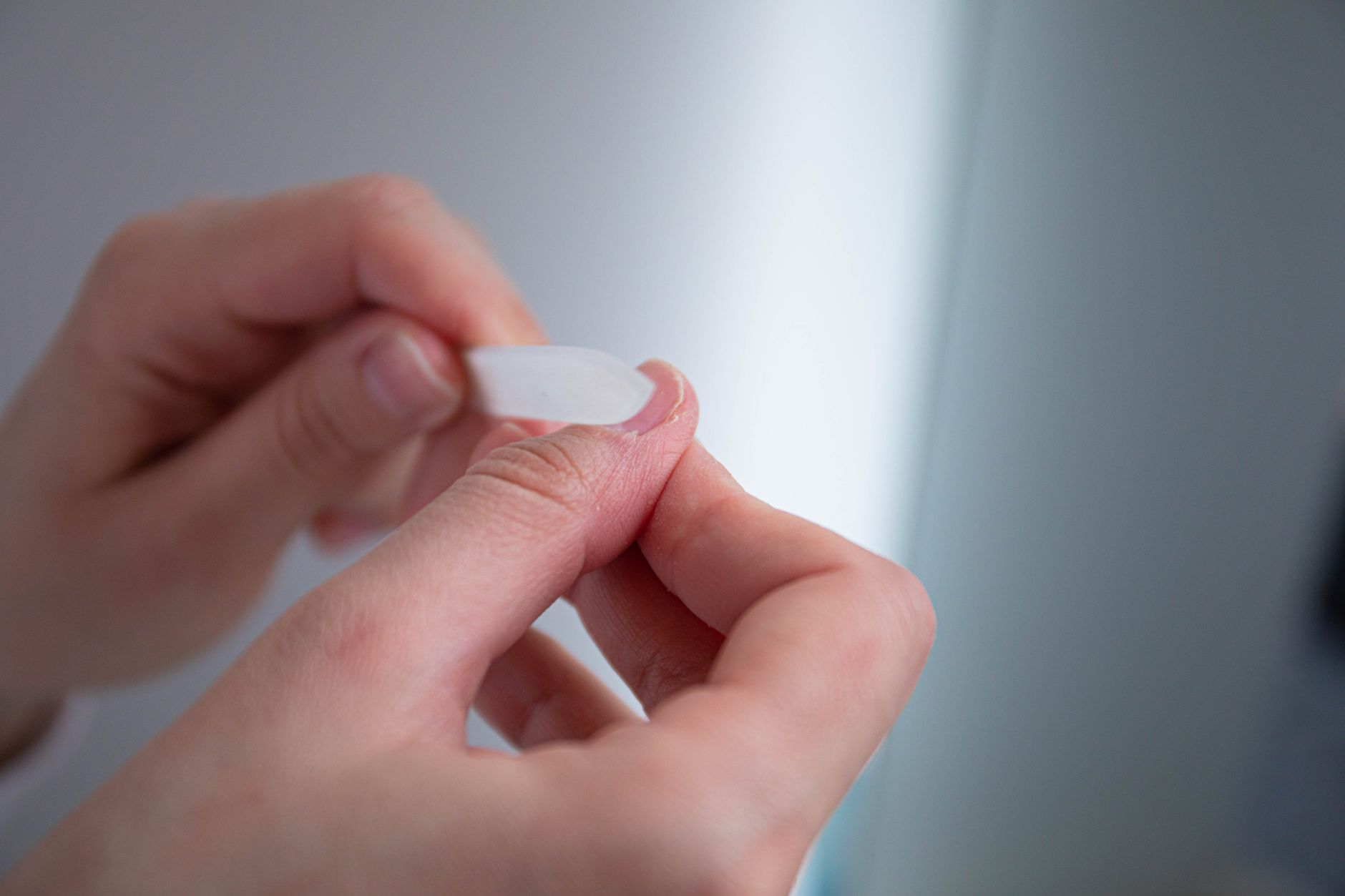
Nail glue can be a lifesaver for anyone looking to secure artificial nails or mend a broken nail. However, it can quickly become a sticky issue when it accidentally gets on your skin. Whether you’re a professional nail technician or a DIY enthusiast, knowing how to safely remove nail glue from your skin is essential for maintaining healthy skin and preventing irritation.
In this guide, we’ll explore effective methods to remove nail glue from skin, offer helpful nail care tips, and discuss safety precautions to keep in mind as you work with nail products. Say goodbye to sticky fingers and hello to clean, happy hands!
How to Remove Nail Glue from Skin?
To safely remove nail glue from the skin, you can use specific substances like acetone or nail polish remover. In addition, other home remedies can help. Always ensure to follow proper care tips to avoid irritation or damage to your skin.
Understanding Nail Glue
Before diving into removal techniques, it’s helpful to understand what nail glue is and how it works. Nail glue is typically made from cyanoacrylate, a fast-acting adhesive that creates a strong bond when applied. Its purpose is to attach artificial nails securely, but its powerful hold can also lead to unwelcome skin contact.
Nail glue can be particularly stubborn due to its formulated strength, which is why removing it requires a strategic approach. Below are the most effective methods for removing nail glue from your skin.
Effective Methods for Removing Nail Glue
1. Using Acetone or Nail Polish Remover
Acetone is one of the most effective solvents for breaking down nail glue, making it a go-to option. Here’s how to do it:
- Gather your supplies: You will need acetone or a nail polish remover that contains acetone, cotton balls or pads, and a soft cloth.
- Apply acetone: Soak a cotton ball or pad with acetone.
- Press and hold: Place the soaked cotton against the glued area for about 10-15 seconds. Allow the acetone to break down the adhesive bond.
- Wipe away: Gently wipe away the glue. It should come off easily. If necessary, repeat the process.
- Wash your hands: Once the glue is removed, wash your skin thoroughly with soap and water to remove any acetone residue.
2. Olive Oil or Coconut Oil
If you prefer a gentler, more natural option, oils like olive or coconut can help ease nail glue off your skin. Here’s how:
- Apply the oil: Rub a generous amount of olive or coconut oil on the glue-stuck area.
- Let it sit: Allow the oil to sit for at least 5-10 minutes to soak into the glue.
- Gently rub: Use your fingers or a soft cloth to gently rub the glue away. The oil helps to loosen the adhesive.
- Wash your skin: Rinse your skin with soap and water afterward to remove the oil.
3. Rubbing Alcohol
Rubbing alcohol is another effective alternative for breaking down nail glue. Follow these steps:
- Soak a cotton ball: Dampen a cotton ball or pad with rubbing alcohol.
- Apply to the affected area: Press the soaked cotton onto the glue for a few seconds.
- Wipe the glue away: Gently rub the glue off using the cotton. Repeat if necessary.
- Clean your skin: Wash the area with soap and water to eliminate any remaining alcohol.
4. Soap and Water
If the glue is relatively fresh, soap and water may be sufficient to remove it:
- Wash your hands: Use warm water and soap to wash the area thoroughly.
- Scrub gently: Use a soft brush or cloth to scrub the glue off the skin gently.
- Repeat as needed: If the glue doesn’t come off immediately, the process can be repeated.
Nail Care & Safety Tips
While removing nail glue from your skin can be a simple task, focusing on nail care and safety is equally important to maintain healthy hands and skin. Here are some tips:
1. Avoid Direct Skin Contact
To prevent nail glue from sticking to your skin, be cautious when applying it. Consider using a small applicator or brush and work in a well-lit area, making it easier to apply carefully.
2. Keep your Nails and Skin Healthy
Regularly moisturizing your hands and nails can help keep them healthy. Invest in good quality hand cream and cuticle oil to prevent dryness and irritation during nail applications.
3. Patch Test New Products
Whenever using new nail products, including glue, perform a patch test on a small area of skin to check for sensitivities or allergic reactions.
4. Work in a Well-Ventilated Area
Acetone and some other solvents can produce fumes that may be harmful to inhale. Always work in a well-ventilated area to minimize exposure. Open windows or use fans to ensure airflow.
5. Use Gloves for Protection
If you frequently work with nail glues or other chemicals, consider wearing gloves to protect your skin from unwanted contact.
What to Do if You Experience Skin Irritation
Occasionally, nail glue can cause skin irritation, especially if left on the skin for too long. If you experience redness, swelling, or a burning sensation:
- Stop using the product: Discontinue using the nail glue immediately to prevent further irritation.
- Clean the area: Wash the affected area gently with soap and water.
- Apply a soothing agent: Use an over-the-counter hydrocortisone cream or an aloe vera gel to help soothe the skin.
- Consult a doctor: If irritation persists, consult a dermatologist or healthcare provider for appropriate treatment.
Long-Term Care for Your Nails and Skin
Incorporating good nail care practices into your routine can significantly improve the health of your nails and skin:
1. Regular Maintenance
Schedule regular maintenance for your nails, including trimming, filing, and moisturizing. This helps to minimize damage and breakage.
2. Balanced Diet
Eating a balanced diet rich in vitamins and minerals can contribute to nail health. Include foods high in biotin, zinc, and vitamin E to nourish your nails from the inside out.
3. Stay Hydrated
Drinking plenty of water keeps your skin hydrated. This hydration can help improve elasticity and strength, not just for your skin but also for your nails.
4. Professional Help
Consider visiting a nail professional for regular treatments. They can provide additional care and ensure the health of your nails and surrounding skin.
Common Mistakes to Avoid
As simple as nail glue removal may seem, there are common pitfalls to be aware of:
- Using abrasive tools: Avoid harsh scrubbing with abrasive materials, as this can damage your skin.
- Leaving glue on for too long: The longer nail glue remains on your skin, the harder it can be to remove.
- Ignoring skin irritation signs: Do not ignore signs of irritation. Stop using the glue and address any symptoms quickly.
- Applying nail glue near sensitive areas: Be cautious about applying nail glue near your eyes or on overly sensitive areas of skin.
FAQs About Nail Glue Removal
Can I use nail glue remover instead of acetone?
Yes, nail glue removers often contain similar solvents to acetone, making them effective for glue removal. Always check the ingredient label for safe usage guidelines.
Is there a way to prevent nail glue from sticking to my skin?
Applying a thin layer of lotion or barrier cream on your skin before using nail glue can help reduce the chances of the glue sticking to your skin.
What if I cannot remove the nail glue?
If the glue doesn’t come off easily, try soaking the area longer with the solvent of your choice or consult a professional for assistance.
Final Thoughts
Removing nail glue from skin doesn’t have to be a frustrating experience. With the right techniques and safety precautions, you can effectively clean up any mess while keeping your nails and skin in great condition. Remember to act quickly, choose the right removal method, and take care of your skin as you enjoy your nail care routine.
Explore more beauty guides and tutorials to improve your nail care routines, learn about product selection, and uncover essential tips for a healthy beauty regimen.
For further reading, check out these guides: How to Remove Nail Glue and How to Get Nail Glue Off Skin.