
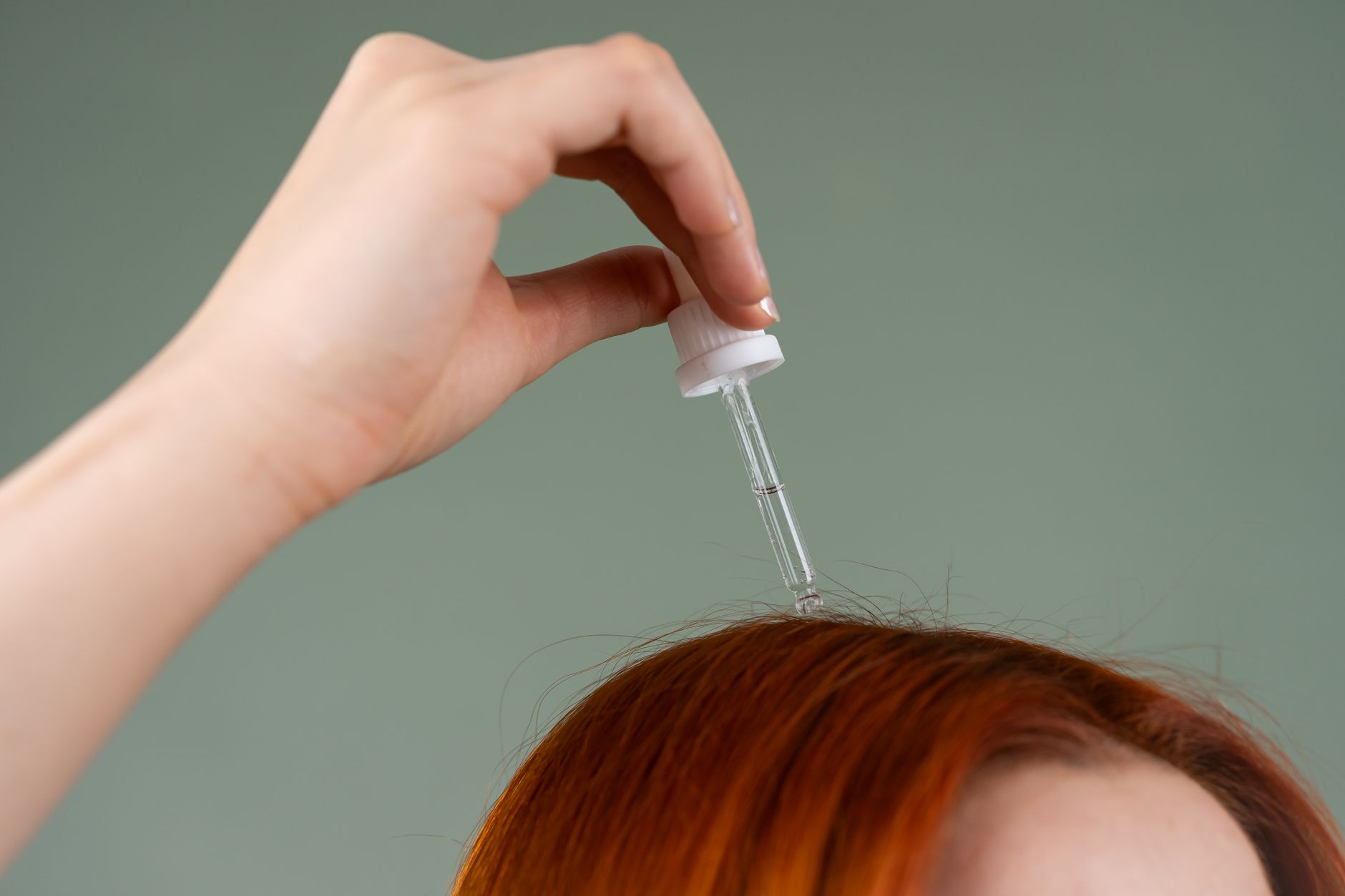
Noticing an increase in hair shedding can be quite unsettling. It’s normal for everyone to shed some hair daily, averaging around 50 to 100 strands. However, when it feels excessive, understanding the possible reasons behind it is crucial. In this article, we’ll explore common causes of hair shedding and provide practical tips for managing and reducing hair loss.
We’ll also dive into factors like hair care routines, lifestyle choices, and underlying health conditions that can contribute to increased shedding. Recognizing these elements will help you take the right steps toward healthier hair.
Why Is My Hair Shedding So Much?
Increased hair shedding can be caused by a variety of factors, including stress, hormonal changes, nutritional deficiencies, and improper hair care. Identifying the root cause is key to finding effective solutions.
Common Causes of Hair Shedding
1. Stress
Stress is one of the leading causes of hair shedding. It can push your hair follicles into a resting phase, resulting in more hair falling out than usual. This type of hair loss is known as telogen effluvium.
2. Hormonal Changes
Hormonal fluctuations, particularly those related to pregnancy, childbirth, menopause, or thyroid issues, can lead to increased hair shedding. Conditions like polycystic ovary syndrome (PCOS) can also play a role.
3. Nutritional Deficiencies
A lack of essential nutrients such as iron, zinc, and vitamins A and D can contribute to hair loss. It’s vital to ensure a balanced diet rich in these nutrients to support healthy hair growth.
4. Hair Care Practices
Improper hair care routines can cause excessive shedding. This includes overwashing, using harsh shampoos, or frequently applying heat styling tools without protection. Gentle handling of your hair is crucial.
5. Medical Conditions
Some medical conditions, such as alopecia areata, can cause sudden hair loss. Scalp conditions, including dandruff or fungal infections, may also lead to shedding. If you suspect a medical issue, consult a healthcare professional.
6. Medications
Certain medications, including those for blood pressure, arthritis, and depression, can have hair loss as a side effect. If you’ve recently started a new medication and noticed increased shedding, talk to your doctor.
Assessing Your Hair Shedding
Before jumping to conclusions, it’s essential to assess your hair shedding accurately. Here are some tips to help you measure your hair loss and determine if it falls within the normal range:
- Observe Your Hair Fall: Keep track of how much hair you lose daily over a week. A few extra strands in your brush may not be cause for concern.
- Check the Follicle Condition: Healthy hair often has a bulb at the root. If your hair is breaking mid-strand, it’s a sign of damage rather than shedding.
- Scalp Health: Examine your scalp for dryness, flaking, or redness, which can indicate underlying issues affecting hair health.
Managing and Reducing Hair Shedding
1. Stress Management Techniques
Reducing stress can have a positive impact on hair health. Consider practicing relaxation techniques such as yoga, meditation, or deep-breathing exercises. Regular physical activity can also help alleviate stress.
2. Balanced Diet
Incorporate a diet rich in vitamins and minerals essential for hair health. Focus on foods high in:
- Iron (spinach, lentils, red meat)
- Zinc (nuts, seeds, dairy)
- Vitamins A and D (dark leafy greens, eggs, fortified foods)
3. Gentle Hair Care Routine
Reevaluate your hair care routine to minimize damage and prevent excessive shedding. Here are a few tips:
- Limit Washing: Washing your hair too often can strip it of natural oils. Aim to wash every 2-3 days.
- Use Mild Hair Products: Opt for sulfate-free shampoos and conditioners that are gentle on your hair.
- Minimize Heat Styling: Reduce reliance on heat tools and always use a heat protectant when necessary.
- Be Gentle When Wet: Wet hair is more prone to breakage, so use a wide-tooth comb to detangle.
4. Scalp Care
Keep your scalp healthy to promote hair growth. Regular scalp massages can improve circulation. Consider incorporating products with ingredients like tea tree oil or salicylic acid to address scalp issues. If you have dandruff, check out our guide on dandruff and hair loss.
5. Consulting Professionals
If shedding continues despite your efforts, consult a dermatologist or trichologist. They can offer personalized advice, conduct necessary tests, and suggest treatments like topical solutions to encourage hair growth.
6. Supplements
If dietary deficiencies are suspected, supplements may help. Look for options that are specifically designed to promote hair health, including biotin, omega-3 fatty acids, and collagen. Always consult a healthcare professional before adding new supplements to your routine.
Recognizing the Signs
In some cases, hair shedding can signify more serious issues. Here are signs to watch for:
- Thinning Patches: If you notice bald spots or thinning areas on your scalp, seek medical advice.
- Severe Itching or Pain: If your scalp feels irritated or painful, it could indicate a more serious condition that requires attention.
- Rapid Shedding: If hair loss seems sudden and drastic, contact a dermatologist for an evaluation.
Expectations & Lifestyle Changes
As with any change in routine, it’s vital to have realistic expectations regarding hair health. While implementing lifestyle changes can take time, consistency is crucial. Monitor your hair shedding over several weeks or months to determine progress.
1. Be Patient
Hair growth is a slow process, typically growing only about half an inch per month. With proper care and attention, you may begin to notice improvements over time.
2. Maintain Healthy Habits
Incorporating healthy habits into your daily routine will benefit your overall health, which in turn promotes better hair health. Consider the following:
- Drink plenty of water.
- Get enough sleep.
- Avoid smoking and limit alcohol consumption.
3. Create a Support System
Sharing your concerns with family and friends can help alleviate stress. Consider joining support groups, either online or locally, where you can connect with others facing similar challenges.
Conclusion
Understanding why your hair is shedding is the first step toward managing and reducing hair loss. By addressing factors such as stress, nutrition, and hair care routines, you can foster a healthier environment for hair growth.
If you’re looking for more targeted solutions, explore our guide on how to regrow hair for valuable tips and techniques. Take proactive steps and be patient with the process; healthy hair care is a journey, not a sprint!