
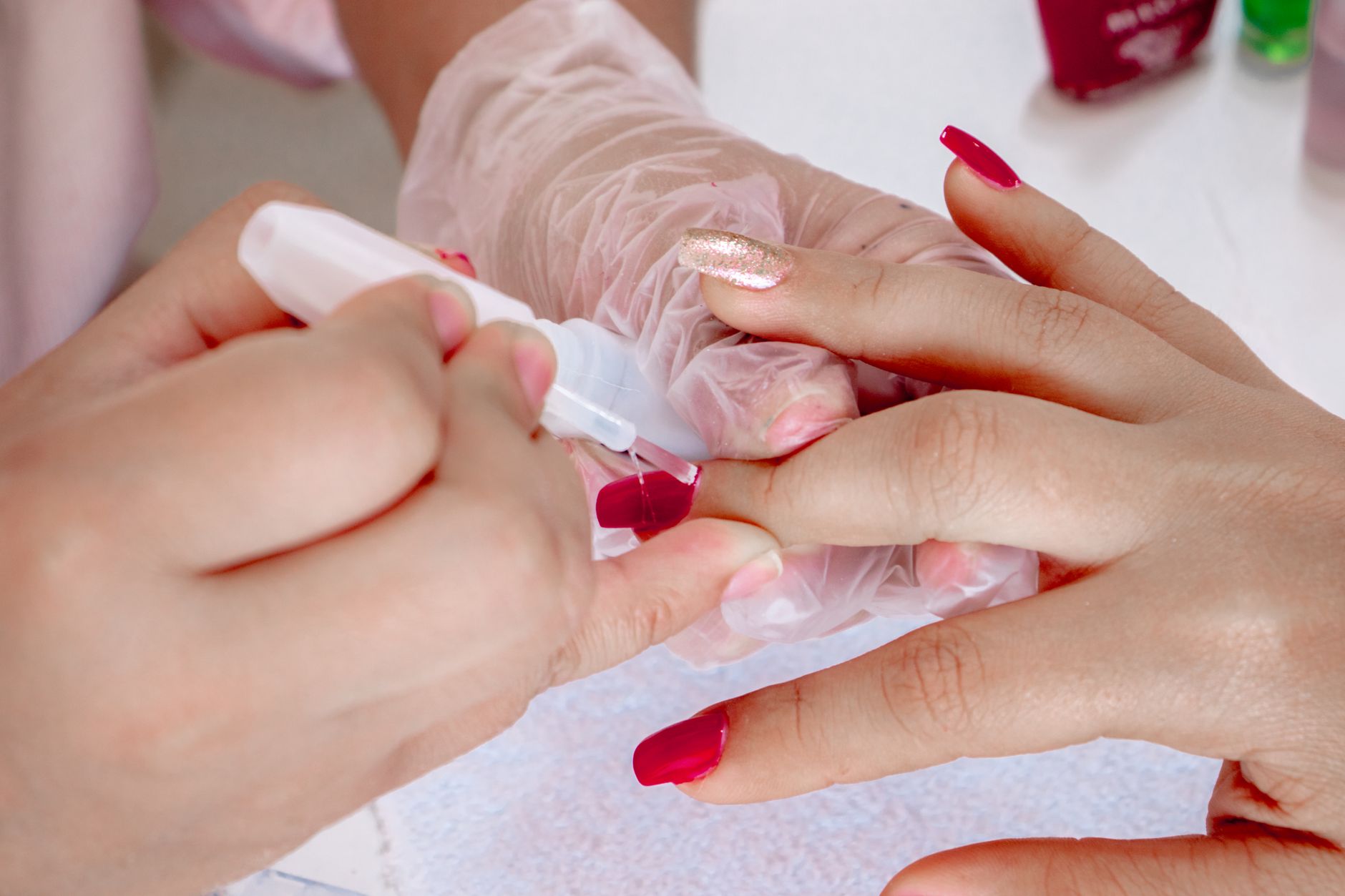
Removing gel polish can seem daunting, but with the right techniques and tools, you can do it safely at home. This guide will cover the best methods for effective removal, tips for protecting your natural nails, and aftercare to keep your nails healthy and strong.
Gel polish offers a long-lasting, glossy finish that many people love, but it requires specific steps for removal to avoid damage to the nails. Understanding how to take off gel polish properly will enhance your nail care routine and maintain the health of your nails.
How to Take Off Gel Polish?
Removing gel polish involves soaking, gently peeling or lifting, and caring for your nails afterward. It is essential to use the proper tools and techniques to ensure your natural nails remain healthy.
Why Is Proper Gel Polish Removal Important?
Proper gel polish removal is vital for maintaining nail integrity. If gel polish is removed incorrectly, it can lead to:
- Nail damage, including thinning and fragility
- Infections due to moisture trapped beneath the polish
- Weakness and splitting of the natural nail
Tools You’ll Need
Before diving into the removal steps, gather your supplies to ensure a smooth process. Here’s a list of tools you’ll need:
- Acetone or a gel polish remover
- Cotton balls or pads
- Aluminum foil or reusable nail clips
- Nail file
- Cuticle pusher or orange stick
- Buffing block (optional)
- Moisturizing hand cream or cuticle oil
Step-by-Step Guide to Remove Gel Polish
Follow these steps for safe and effective gel polish removal:
- Prepare Your Workspace: Find a well-lit area and cover your work surface with a towel or newspaper to catch any spills.
- File the Top Coat: Using a nail file, gently buff the top surface of the gel polish. This step helps to break the seal and allows the acetone to penetrate more effectively. Be careful not to file down to the natural nail.
- Soak Cotton Pads: Saturate cotton balls or pads with acetone or gel polish remover. Ensure they are fully soaked but not dripping.
- Apply the Cotton Pads: Place the soaked cotton over each nail. If using acetone, it’s best to work on one hand at a time.
- Wrap the Nails: Wrap each nail with a piece of aluminum foil or use nail clips to hold the cotton in place. This will create a warm environment, enhancing the effectiveness of the acetone.
- Wait: Allow the nails to soak for 10-15 minutes. This step is crucial as soaking helps to break down the gel polish.
- Check the Progress: After the soaking time, check if the gel polish shows signs of lifting. If it doesn’t, re-wrap and soak for another 5-10 minutes.
- Gently Remove the Polish: Once the gel is lifted, use a cuticle pusher or orange stick to gently scrape off the polish. Be gentle to avoid damaging your natural nail.
- Buff if Needed: If there are any remaining bits of gel, you can lightly buff them away. Use a buffing block for a smooth finish.
- Wash Your Hands: After the removal, wash your hands thoroughly to remove all traces of acetone.
- Moisturize: Apply hand cream and cuticle oil to restore moisture, as acetone can be quite drying.
Tips for Safe Gel Polish Removal
To minimize damage and make the removal process smoother, consider these helpful tips:
- Don’t Rush: Allow the acetone to work its magic; don’t force the gel off.
- Use Quality Products: Invest in good-quality acetone or a specialized gel polish remover designed for less drying effects.
- Limit Frequency: Avoid repeating gel polish applications too frequently. Give your nails breaks between applications to maintain their health.
- Avoid Using Metal Tools: If possible, stick to wooden or plastic tools to avoid scratching the nail surface.
What to Do If You Experience Nail Damage?
It’s not uncommon for nails to feel sensitive or look damaged after gel polish removal. Here’s how to care for your nails if you find they are in less than perfect condition:
- Give Your Nails a Break: Avoid applying any nail polish for at least a week. This allows your nails time to breathe and recover.
- Use a Nail Strengthener: Apply a nourishing nail strengthener or treatment that promotes nail health.
- Moisturize Regularly: Keep your nails and cuticles hydrated with oils or creams to prevent further dryness.
- Consider Supplements: Biotin or other supplements aimed at promoting nail health may assist in recovery.
Alternatives to Gel Polish
If you frequently find yourself struggling with gel polish removal or experience nail damage, consider these alternatives:
- Regular Nail Polish: Regular nail polish is easier to remove with standard polish remover and generally less harsh on nails.
- Dip Powder Nails: These tend to have a longer-lasting finish than regular polish but can be less damaging than gel polish, depending on the application and removal process.
- Press-On Nails: Consider press-on nails as a temporary alternative. They offer a wide range of designs and are removable without harsh chemicals.
Post-Removal Nail Care Routine
Once you have successfully removed your gel polish, it’s essential to implement a nail care routine to maintain nail health:
- Weekly Care: Set aside time each week for a mini nail care session. Gently buff your nails, and apply cuticle oil and moisturizer.
- Stay Hydrated: Drink plenty of water to keep your skin and nails hydrated from inside.
- Avoid Manual Labor: Protect your nails from manual tasks that could lead to breakage, like opening cans or using them as tools.
- Use Gloves: When cleaning or doing dishes, wear gloves to protect your nails from harsh chemicals and moisture.
Common Mistakes to Avoid
Here are some common pitfalls to avoid during gel polish removal:
- Using Non-Acetone Removers: They may not be effective at breaking down gel polish, leading to excessive scraping and nail damage.
- Peeling Off the Polish: This can strip layers off the natural nail, leading to long-term damage.
- Insufficient Soaking Time: Not allowing enough time for the gel to soften can make removal painful and damaging.
- Skipping Moisturizer: Post-removal hydration is essential. Neglecting this can lead to weakened nails.
Conclusion
Taking off gel polish doesn’t have to be a stressful process. With the right tools, methods, and aftercare, you can keep your nails healthy and strong. Make sure to follow the steps carefully and listen to your nails throughout the process. Treat them well, and you’ll be rewarded with healthy and beautiful nails.
For more information on nail care, you might find these guides useful: how to remove gel nail polish and how to get gel nail polish off.