
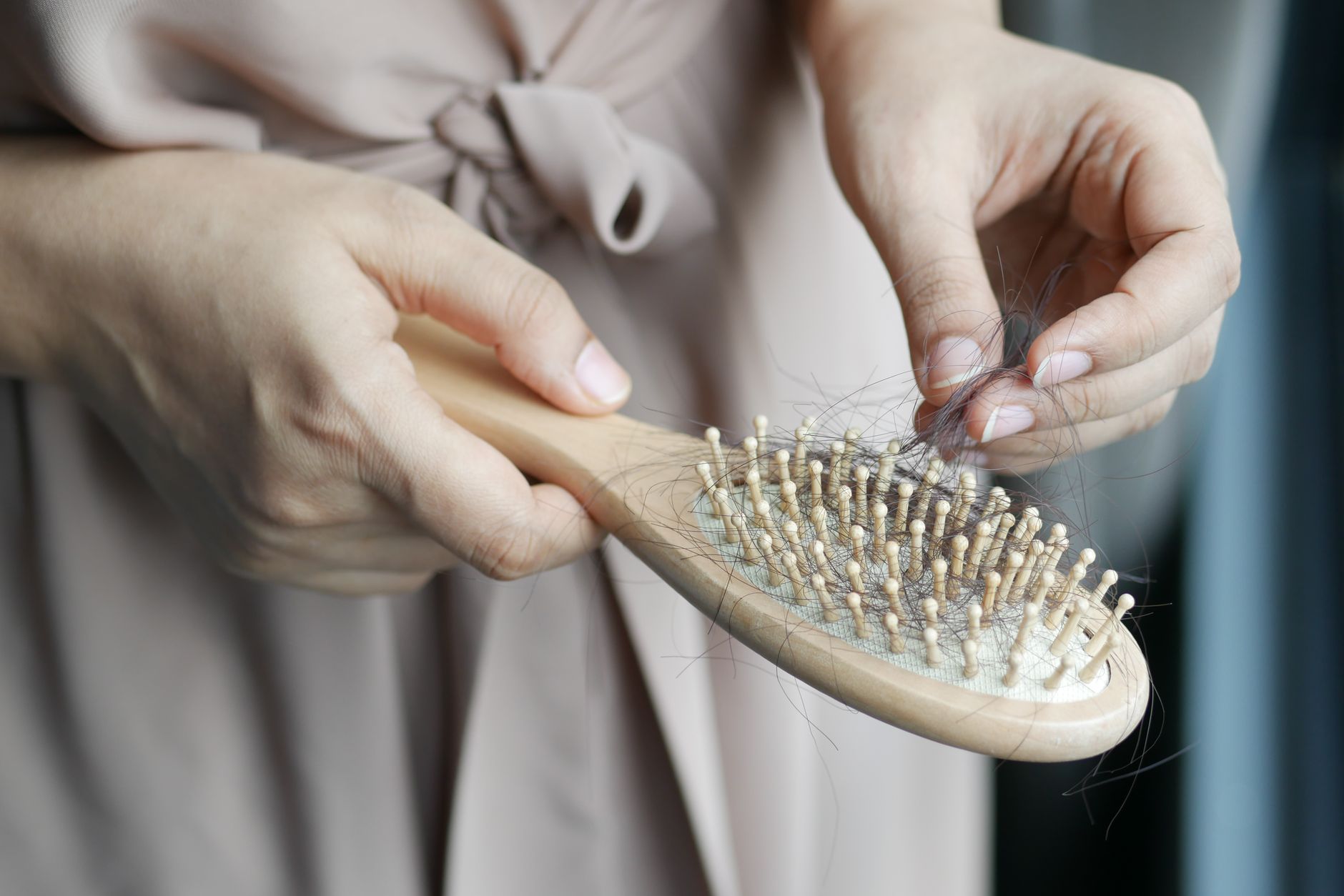
Hair brushes are essential tools for maintaining your hair’s health and style. However, over time, they can accumulate dirt, oils, hair product residue, and even bacteria. Washing your hair brushes regularly not only enhances their performance but also promotes a healthier scalp and hair. This guide will walk you through the effective methods to clean hair brushes, ensuring they serve you well for a long time.
In this article, we will explore why it’s crucial to clean your hair brushes, provide step-by-step instructions on how to do it, and share tips catered to different types of brushes and hair. Whether you use a paddle brush, round brush, or a comb, we’ve got you covered!
Why Is It Important to Wash Hair Brushes?
Keeping hair brushes clean is important for several reasons:
- Hygiene: Regular cleaning prevents the buildup of bacteria and fungi, which can lead to scalp issues and hair problems.
- Improved Performance: A clean brush glides through hair more smoothly, making it easier to style.
- Extended Brush Life: Maintaining your brushes can prolong their lifespan, saving you money over time.
- Better Hair Health: Reducing product residue and oils can lead to healthier hair and a more balanced scalp.
How Often Should You Wash Your Hair Brushes?
The frequency of washing your hair brushes depends on your hair type and usage:
- Daily Users: If you use your brushes daily, aim to clean them every 1-2 weeks.
- Occasional Users: For those who use hair brushes a few times a week, once every month should suffice.
- Special Cases: If you have product buildup or oily hair, consider washing your brushes more frequently.
What You’ll Need to Wash Hair Brushes
Gather the following supplies before you start cleaning your hair brushes:
- A bowl or sink
- Baby shampoo or mild dish soap
- Warm water
- A comb or a toothbrush (for scrubbing)
- A clean towel
- Optional: White vinegar or rubbing alcohol (for disinfecting)
Step-by-Step Guide to Washing Hair Brushes
Step 1: Remove Hair from the Brush
Before washing your brush, remove any tangled hair. You can use your fingers or a comb. For brushes with closely spaced bristles, a fine-tipped comb or the end of a rat tail comb can help dislodge the hair more easily.
Step 2: Prepare the Cleaning Solution
In a bowl or sink, mix warm water with a small amount of baby shampoo or mild dish soap. The water should be warm enough to dissolve product buildup but not so hot that it damages the bristles.
Step 3: Soak the Brush
Dip the bristles of the brush into the soapy water, ensuring that the base of the bristles but not the handle gets submerged. Let it soak for about 5-10 minutes. This will loosen any buildup and make the cleaning process easier.
Step 4: Scrub the Bristles
Using your fingers, a comb, or a soft toothbrush, gently scrub the base of the bristles to remove dirt and grime. For round brushes, be sure to clean all sides of the bristles. Ensure you are delicate to avoid damaging the bristles.
Step 5: Rinse Thoroughly
Once the brushing is clean, rinse it thoroughly under running warm water. Make sure all soap and debris are washed away. It’s essential to ensure that no soap residue is left behind, as it can harden over time.
Step 6: Disinfect the Brush (Optional)
If desired, you can disinfect your brushes after washing. To do this, mix equal parts water and white vinegar or rubbing alcohol in a separate bowl. Dip the bristles into the solution briefly, then rinse well with water to remove any vinegar or alcohol smell. This step is especially helpful if you’ve used your brush on hair products containing alcohol or other chemicals.
Step 7: Dry the Brush
Gently shake off excess water from the brush, then towel dry it by pressing it against the towel. Lay the brush flat on a clean towel to dry, ensuring the bristles hang off the edge, allowing airflow. Avoid leaving the brush in an upright position as this can cause water to seep into the handle.
Cleaning Different Types of Hair Brushes
Not all brushes are created the same, and some may require special attention.
Paddle Brushes
Paddle brushes often collect more oil and product buildup because of their surface area. Follow the same steps outlined above, paying special attention to the base of the bristles where dirt can accumulate.
Round Brushes
To clean round brushes, you may need to use a toothbrush or fine-toothed comb to reach between the bristles. Soak and scrub as described, ensuring you rinse thoroughly. Avoid immersing the entire brush in water to protect the barrel material.
Wide-Tooth Combs
Combs can be cleaned easily by soaking in the same soapy solution. After soaking for a few minutes, use a brush or a toothbrush to scrub between the teeth of the comb, ensuring no hair or product is left behind.
Natural Bristle Brushes
Natural bristles can be gentler but require careful cleaning to avoid damage. Stick to a mild soap and avoid soaking for too long. You can also use a gentle conditioner in place of soap to maintain the health of the bristles.
Common Mistakes When Washing Hair Brushes
To ensure an effective cleaning routine, avoid these common mistakes:
- Not Cleaning Regularly: Infrequent cleaning leads to a buildup of dirt and bacteria, which can lead to scalp issues.
- Soaking the Handles: Avoid submerging the entire brush, particularly if it is wooden or has glue holding the bristles in place.
- Using Harsh Chemicals: Strong cleaners can damage the brush bristles or finish. Stick to mild soaps or shampoos.
- Skipping Rinsing: Failing to rinse thoroughly can leave soap residue which impacts hair quality.
Additional Tips for Keeping Hair Brushes Clean
- Use a Brush Cleaner: Consider investing in a specialized brush cleaner that targets product buildup.
- Store Brushes Properly: Store brushes in an open and dry space to avoid accumulating moisture.
- Use Hair Products Wisely: Minimize the use of heavy styling products that can lead to residue buildup.
- Regularly Inspect Brushes: Check for damage or wear that may affect performance or hygiene.
Conclusion
Keeping your hair brushes clean is an essential part of your hair care routine. By following the steps outlined, you’ll not only enhance the performance of your brushes but also contribute to healthier hair and scalp. Aim to incorporate regular brush cleaning into your hair care regimen, and you’ll notice a significant difference in how your hair looks and feels.
If you’re interested in exploring more about beauty tools and routines, check out our guides on cleaning makeup brushes and washing makeup brushes for additional insights!