
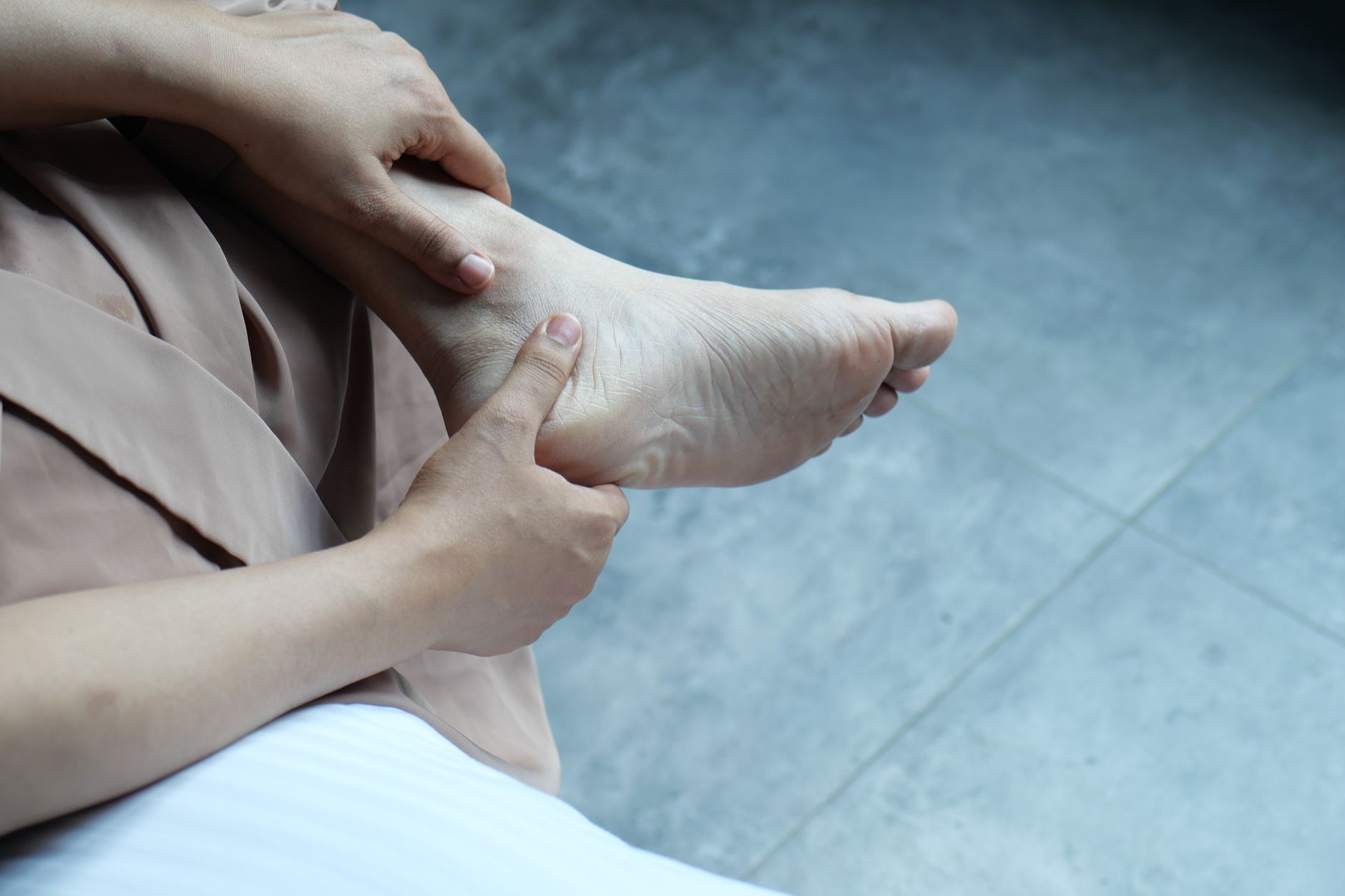
Corns on your feet may seem like a minor inconvenience, but they can cause discomfort and affect your overall foot health. Understanding what corns are, how they develop, and what you can do to care for them is essential for anyone who wants to maintain healthy and beautiful feet.
This article will cover everything you need to know about corns, including symptoms, causes, and effective care tips.
What Is a Corn on Your Foot?
A corn on your foot is a thickened, hardened area of skin that develops in response to repeated friction or pressure. They typically form on the tops or sides of the toes and on the soles of the feet. Corns can be painful, especially when wearing shoes that put pressure on the affected area.
Symptoms of Corns on Your Feet
Recognizing the symptoms of corns is the first step to addressing them effectively. Below are some common signs to watch for:
- Thickened Skin: You will notice a raised, hardened area on your foot, which can appear yellowish or gray.
- Pain or Discomfort: Corns can cause tenderness or pain, especially when pressure is applied from footwear.
- Redness and Inflammation: The surrounding skin may appear red or swollen.
- Location: Corns primarily occur on the toes, particularly over bony areas, or on the soles of the feet.
- Hard Corns: These are usually found on the tops and sides of the toes and have a small, central core.
- Soft Corns: Soft corns are more flexible in texture and may occur between the toes, often showing signs of moisture.
Causes of Corns on Your Feet
Understanding the causes of corns can help you prevent their formation. Here are some primary reasons why corns develop:
- Improper Footwear: Shoes that are too tight, too loose, or poorly fitted can cause excessive friction.
- High Heels: Wearing high heels places pressure on the toes, often leading to corn development.
- Foot Deformities: Conditions such as bunions or hammertoes can cause abnormal foot movement, increasing friction.
- Activity Level: Activities that involve repetitive friction on your feet, such as running or walking long distances, can lead to corns.
- Moisture: Excess moisture between the toes can lead to soft corns, especially if combined with friction.
How to Care for Corns on Your Feet
Caring for corns is essential for both comfort and aesthetics. Here are practical tips for managing corns on your feet:
1. Use Proper Footwear
Choosing the right shoes is fundamental in preventing and treating corns. Consider the following:
- Opt for shoes with a wide toe box to avoid squeezing your toes.
- Look for footwear made from breathable materials to reduce moisture buildup.
- Consider cushioned insoles for added comfort and support.
2. Regular Foot Care Routine
Establishing a regular foot care routine can help maintain healthy skin and prevent corns from forming:
- Soak Your Feet: Soak your feet in warm, soapy water for about 10-15 minutes to soften the skin.
- Exfoliate: Use a pumice stone or foot file to gently exfoliate the thickened skin from the corn. Be cautious not to remove too much skin.
- Moisturize: Apply a rich foot cream or lotion to keep the skin hydrated, focusing on areas prone to friction.
3. Use Protective Cushions
Incorporating protective cushions can alleviate pressure on the affected area:
- Consider gel pads for corns that provide cushioning and additional comfort.
- Use toe sleeves to protect soft corns between the toes.
- Custom orthotic inserts can also address foot structure issues that contribute to friction.
4. Treatment Options
If home care measures are not effective, consider the following treatment options:
- Over-the-Counter Treatments: Products containing salicylic acid can help dissolve the corn. Always follow the instructions carefully.
- Podiatrist Consultation: For persistent or painful corns, visiting a podiatrist is advisable. They may recommend professional removal or specific treatments tailored to your situation.
When to Seek Professional Help
While many corns can be managed at home, certain situations warrant professional attention:
- If you have diabetes or a compromised immune system, seek immediate help for foot concerns.
- If corns become severely painful, inflamed, or infected, do not hesitate to consult a healthcare provider.
- If home remedies do not yield results, and corns continue to recur, a podiatrist can provide tailored solutions.
Prevention Tips for Corns
Preventing corns is just as crucial as caring for existing ones. Consider the following preventive measures:
- Always wear well-fitted shoes that provide support without constricting your toes.
- Switch up your footwear regularly to avoid prolonged friction.
- Use moisture-wicking socks to reduce moisture buildup.
- Take breaks if your activities involve long periods of walking or standing.
- Inspect your feet regularly for any signs of friction or discomfort.
Common Mistakes to Avoid
When dealing with corns, it’s essential to avoid certain mistakes that can worsen the situation:
- Don’t attempt to cut or shave corns at home, as this can lead to infection.
- Avoid wearing inappropriate shoes, even if they seem fashionable.
- Don’t neglect foot hygiene — keep your feet clean and dry to prevent issues.
Conclusion
Corns on your feet may be a common issue, but they don’t have to affect your comfort or confidence. By understanding the symptoms, causes, and care tips outlined in this article, you can take proactive steps toward achieving healthier feet. The key is to wear well-fitted shoes and maintain a regular foot care routine.
If you want to learn more about maintaining your beauty and health, explore our related guides and tips for skincare, nail care, and foot health.