
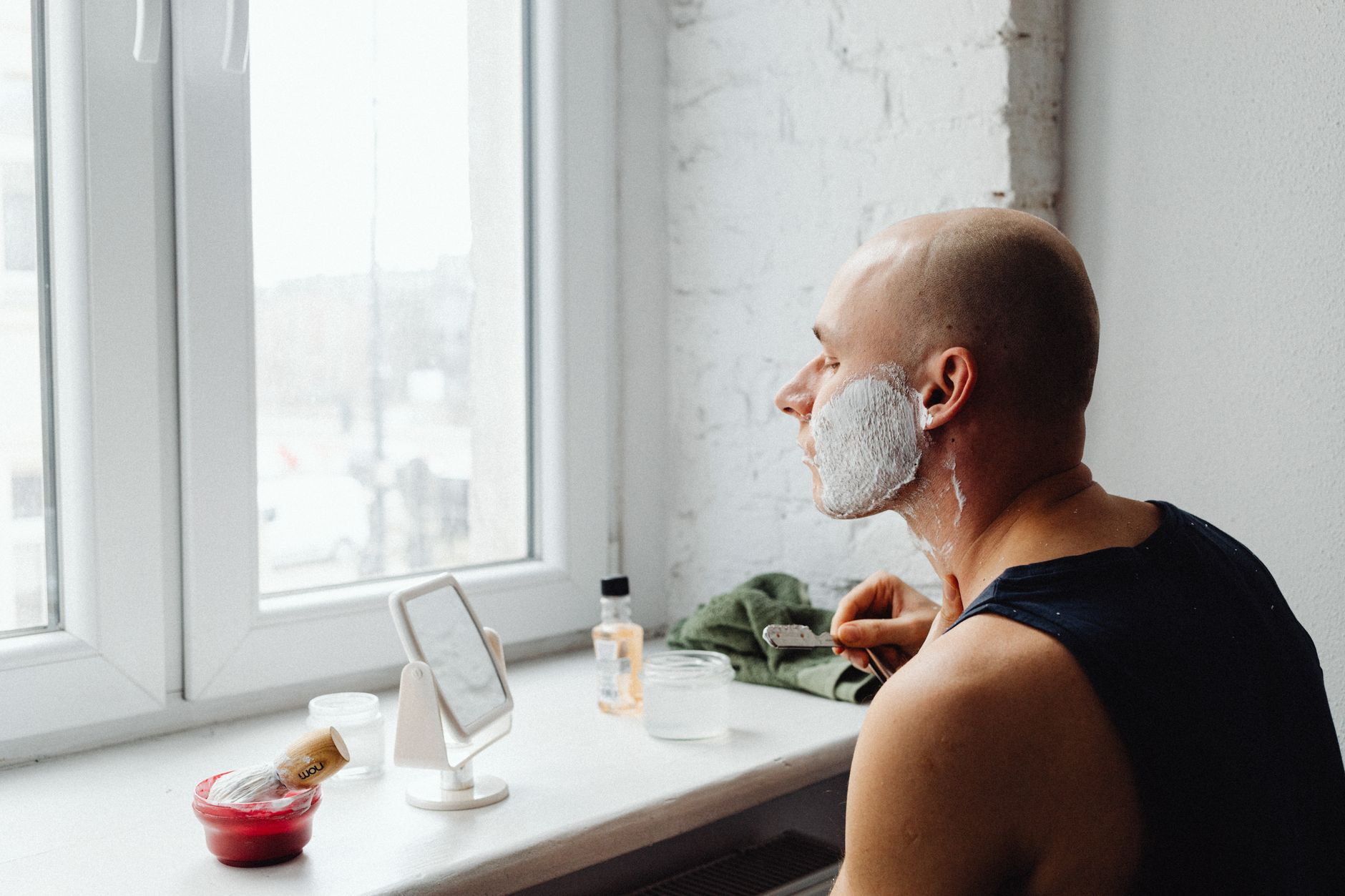
For many men, hair loss is a fact of life that can come as an unwelcome surprise. Understanding why men go bald is the first step toward addressing the issue effectively. Factors influencing hair loss can be complex, involving genetics, lifestyle, and health conditions. This article will dive into these elements while offering insights on potential treatments and coping strategies.
Whether you’re experiencing thinning hair or know someone who is, it’s important to be informed. Knowledge about the causes, effects, and available solutions can empower individuals in their hair care journey, promoting healthier choices and boosting confidence.
Why Do Men Go Bald?
Men typically experience hair loss due to genetic factors, aging, hormonal changes, and several lifestyle influences. The most common cause is androgenetic alopecia, also known as male pattern baldness, which involves a specific genetic predisposition.
Understanding Male Pattern Baldness
Male pattern baldness is characterized by a recognizable pattern of hair thinning. With this condition, hair generally begins to recede at the temples, and the crown may gradually thin out. Eventually, some men may experience complete baldness. The main culprits behind this condition are:
- Genetics: Family history plays a significant role. If other male relatives have experienced hair loss, the risk of going bald increases.
- Hormones: Dihydrotestosterone (DHT), a hormone derived from testosterone, is implicated in hair loss. It can shrink hair follicles, leading to thinner strands and eventual hair loss.
- Aging: As men age, hair follicles can shrink and eventually cease hair production altogether.
Other Causes of Hair Loss in Men
While genetic predisposition is a primary factor, several other reasons can contribute to hair loss:
1. Health Conditions
Various health issues can trigger hair loss, including:
- Thyroid Disorders: Conditions affecting the thyroid gland may lead to hair thinning or loss.
- Autoimmune Diseases: Illnesses like alopecia areata can cause sudden hair loss by the immune system attacking hair follicles.
- Scalp Infections: Fungal infections such as ringworm can contribute to hair thinning or bald patches.
2. Nutritional Deficiencies
A lack of essential nutrients can impact hair health, particularly:
- Iron: Low iron levels can lead to hair shedding.
- Vitamin D: Deficiencies in vitamin D have been linked to alopecia.
- Protein: Hair is made of protein, and low protein intake can lead to hair loss.
3. Stress
Physical or emotional stress can lead to a condition known as telogen effluvium, where hair follicles enter a resting phase, causing temporary hair loss. Identifying stressors and implementing effective coping strategies can minimize hair loss.
4. Medications
Some medications carry side effects that may include hair loss. Drugs used for treating conditions such as cancer, arthritis, depression, and heart problems can sometimes lead to hair thinning. If you suspect a medication is affecting your hair, consult a healthcare professional.
Treatments for Hair Loss
The good news is that numerous treatment options can help manage hair loss, depending on its underlying cause. Let’s explore some popular choices:
1. Minoxidil (Rogaine)
Minoxidil is an over-the-counter topical treatment designed to stimulate hair growth. It works for both men and women and can be applied directly to the scalp. Regular use may lead to a fuller appearance of hair over time.
2. Finasteride (Propecia)
Finasteride is a prescription oral medication that works by inhibiting the production of DHT. This decrease can help prevent further hair loss and may even promote hair regrowth. Always consult a healthcare provider for appropriate guidance.
3. Low-Level Laser Therapy (LLLT)
This non-invasive treatment uses laser devices to stimulate hair follicles, promoting hair growth. Devices range from in-office treatments to at-home combs and caps. Research is ongoing regarding its long-term effectiveness.
4. Hair Transplant Surgery
For more severe cases of hair loss, surgical options such as hair transplants can be considered. This procedure involves moving hair follicles from a designated donor area to the thinning or balding parts of the scalp. While it can be effective, it’s essential to have realistic expectations and understand the surgical risks.
Natural Remedies and Lifestyle Changes
For those seeking less invasive options, several natural remedies and lifestyle adjustments may contribute positively to hair health:
1. Maintain a Healthy Diet
Focusing on a balanced diet rich in vitamins and minerals can support hair health. Consider incorporating:
- Leafy Greens: Spinach and kale are high in iron and vitamin A.
- Fruits: Berries provide antioxidants that can combat oxidative stress.
- Lean Proteins: Chicken, fish, and legumes support healthy hair growth.
2. Scalp Care
Healthy scalp practices can enhance hair growth. Keep the scalp clean and well-moisturized to promote an optimal environment for hair follicles. Consider gentle exfoliation to remove dead skin cells and buildup.
3. Stress Reduction Techniques
Implementing stress management techniques such as meditation, yoga, and exercise can reduce the impact of stress on hair loss. Finding enjoyable hobbies can also serve as effective stress-relief outlets.
4. Avoid Excessive Hairstyling
Minimize heat styling, harsh chemicals, and tight hairstyles that can cause breakage and traction alopecia. Instead, opt for gentle hair care products and styles that protect hair health.
Common Mistakes to Avoid When Dealing with Hair Loss
When addressing hair loss, there are common pitfalls to be aware of:
- Overusing Hair Products: Excessive use of styling products can lead to buildup, affecting hair and scalp health.
- Neglecting Scalp Health: Failing to care for the scalp can hinder hair growth, so prioritize regular cleansing and exfoliation.
- Improper Use of Treatments: Not following application guidelines on hair loss treatments may result in disappointment. Always adhere to recommended doses and timelines.
- Giving Up Too Soon: Many treatments require several months to see noticeable results. Be patient and allow sufficient time for them to work.
Setting Realistic Expectations
While treatments and remedies can stabilize or potentially reverse hair loss in some individuals, results can vary widely based on genetics, age, and underlying health conditions. It’s essential to recognize that perfection isn’t the goal. Aiming for healthier hair and acceptance of changes can foster a positive mindset.
Consulting with Professionals
If hair loss is a concern, seeking advice from a dermatologist or trichologist can provide personalized insight and recommendations. A professional evaluation can help identify underlying causes and assess the most suitable treatment options.
Practical Tips for Managing Hair Loss
Fostering a proactive and informed approach can make managing hair loss more manageable. Here are some straightforward tips:
- Regular Haircuts: Keeping hair trimmed can give the appearance of thicker hair and remove damaged strands.
- Choosing the Right Hair Products: Look for sulfate-free shampoos and conditioners that promote hydration and nourishment.
- Hydration: Staying well-hydrated supports overall health, including hair health.
- Limiting Stressors: Identify specific stressors in your life and take steps to mitigate their effects.
Conclusion
Understanding why men go bald involves exploring various factors, from genetics to lifestyle. While male pattern baldness is common, knowing the causes can empower men to choose appropriate treatments and lifestyle changes that fit their needs. Whether through medical treatments, natural remedies, or lifestyle adjustments, approaches can be tailored for optimal results.
For additional insights on related topics, consider exploring guides on how to regrow hair and whether dandruff causes hair loss. These topics may provide further understanding as part of your hair care journey.