
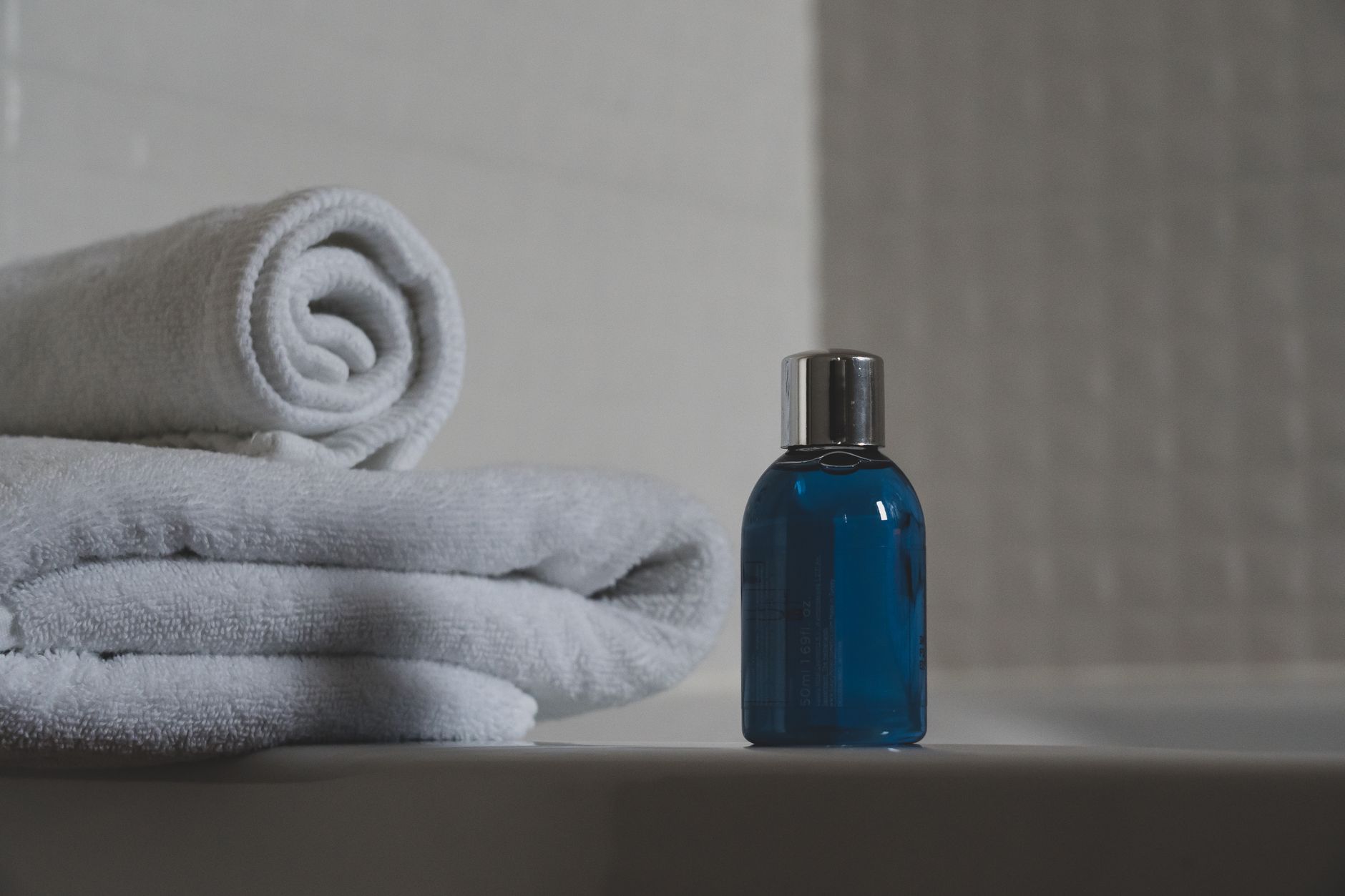
Shower gel is a liquid cleansing product used during bathing to clean the skin. Unlike traditional soap bars, shower gels are formulated to lather nicely and rinse off easily, providing both a refreshing and cleansing experience. The vast selection available often includes added benefits like exfoliation, hydration, and aromatherapy.
This article will delve into the benefits of shower gel, its various uses, and essential tips to maximize your shower experience. Understanding these aspects will help you choose the right product for your skin type and preferences.
What Is Shower Gel?
Shower gel is a synthetic or natural liquid that is used for cleaning the skin during bathing. It often contains surfactants which create lather when mixed with water. The primary function of shower gel is to cleanse the skin by removing dirt, oil, and impurities, while also delivering moisture and nourishment to the skin.
Skin Benefits of Shower Gel
Shower gels offer several skin benefits depending on their formulations. Here are some key advantages:
- Deep Cleansing: The surfactants in shower gels work effectively to remove dirt and sweat from the skin without stripping it of natural oils.
- Moisturization: Many shower gels include hydrating ingredients like glycerin, aloe vera, or essential oils, helping to maintain the skin’s moisture barrier.
- Gentle Exfoliation: Some formulas contain exfoliating beads or natural ingredients that gently buff away dead skin cells, leaving your skin smoother and softer.
- Soothing Sensations: Ingredients such as chamomile or lavender can help calm irritated skin and enhance the overall bathing experience with their aromatherapeutic properties.
- Variety of Fragrances: Shower gels come in a variety of scents, providing an enjoyable sensory experience and enhancing mood during showers.
Common Uses of Shower Gel
Shower gel is primarily used during bathing, but its versatility extends to various uses:
- Daily Cleansing: As the main use, shower gel provides cleansing for everyday use, making it an essential part of many people’s hygiene routines.
- Shaving Gel: Some people use shower gel as a lubricant while shaving, as it can provide a barrier that helps prevent nicks and cuts.
- Bubble Bath: By adding a few pumps of shower gel to running water, you can create a bubbly, relaxing bath experience.
- Hand Wash: In a pinch, shower gel can be used to wash your hands, but be sure to rinse thoroughly to avoid any residue.
Choosing the Right Shower Gel for Your Skin Type
Selecting the right shower gel is crucial for maintaining healthy skin. Here’s how to choose based on skin type:
Dry Skin
If you have dry skin, look for moisturizing shower gels that contain ingredients like hyaluronic acid, glycerin, and natural oils. Avoid products with high alcohol content, as they can further strip moisture.
Oily Skin
For oily skin, consider gels that contain salicylic acid or tea tree oil to help control excess oil and prevent breakouts. Lightweight formulas that refresh the skin without adding grease are ideal.
Sensitive Skin
If your skin is sensitive, opt for fragrance-free and hypoallergenic shower gels. Look for ingredients like chamomile or oatmeal that are known for their soothing properties.
Normal Skin
Those with normal skin can choose a wide range of shower gels, from hydrating formulas to exfoliating ones. Mixing up your products can add variety to your routine.
How to Use Shower Gel Effectively
Follow these steps for an effective and enjoyable shower gel experience:
- Wet Your Skin: Start with warm water to help open up your pores.
- Apply Shower Gel: Squeeze a small amount onto a loofah, washcloth, or your hands. You only need a small amount, as shower gel is concentrated.
- Massage: Gently massage the gel into your skin using circular motions to enhance circulation and promote relaxation.
- Rinse Thoroughly: Ensure all product is washed off your skin to avoid any sticky residue.
- Moisturize: After showering, apply a moisturizer to lock in hydration.
Common Mistakes to Avoid When Using Shower Gel
Here are some common mistakes to avoid for the best results:
- Using Too Much Product: A small amount of shower gel is often sufficient. Using too much can lead to excess waste and skin irritation.
- Not Rinsing Well: Failing to rinse shower gel thoroughly off the skin may cause irritation or a sticky feeling post-shower.
- Ignoring Ingredients: Always check the ingredient list. Be mindful of any allergens or irritants that may not suit your skin type.
- Showering in Hot Water: While hot showers feel great, excessively hot water can strip your skin of natural oils. Opt for lukewarm water instead.
Shower Gel Versus Bar Soap
Both shower gel and bar soap serve the same primary purpose of cleansing the skin. However, they have distinct differences that may influence your choice.
| Feature | Shower Gel | Bar Soap |
|---|---|---|
| Form | Liquid | Solid |
| Moisturizing | Often includes moisturizing ingredients | Can be drying, depending on the formula |
| Convenience | Easy to travel with and dispense | Can sometimes be messy and require a soap dish |
| Variety | Available in numerous scents, textures, and benefits | May have limited variety in terms of formulations and scents |
Shower Gel Tips for Different Scenarios
Consider these tips for various bathing scenarios:
For Relaxation
Choose shower gels with soothing scents like lavender or chamomile to enhance your relaxation experience. Allow warm water to cascade over you while inhaling the calming aroma.
Post-Workout
Use energizing citrus-scented shower gels to rejuvenate after a workout. Ingredients like peppermint can also provide a refreshing sensation.
Traveling
Opt for travel-sized bottles of your favorite shower gels to make packing easier. Look for multi-use products that can also function as a shampoo or bubble bath.
Skin Care Routine
Incorporate shower gel into a broader skincare routine. Always follow cleansing with a nourishing moisturizer; this helps maintain skin hydration and health.
DIY Shower Gel Recipes
For those who prefer a homemade approach, consider making your own shower gel. Here’s a simple recipe:
Basic Homemade Shower Gel
- Ingredients:
- 1 cup of liquid castile soap
- 1/2 cup of water
- 2 tablespoons of almond oil or coconut oil
- Essential oils for fragrance (optional)
- Instructions:
- In a bowl, mix liquid castile soap with water and oils.
- Add a few drops of your chosen essential oil.
- Pour the mixture into a bottle.
- Shake before each use.
Popular Shower Gel Brands to Explore
There are numerous brands that offer high-quality shower gels. Explore these popular options:
- Dove: Known for its moisturizing formulas.
- Olay: Offers a blend of cleansing and skin-nourishing ingredients.
- Neutrogena: Focuses on gentle, hypoallergenic formulations.
- Bath & Body Works: Features a variety of scents and limited editions.
- Method: Provides eco-friendly options in fun fragrances.
When to Consult a Professional
If you notice persistent skin irritation, rashes, or unusual reactions after using any shower gel, it’s advisable to consult a qualified dermatologist. They can help identify potential allergens and recommend the best products for your skin type.
Final Thoughts
Shower gel is a versatile and beneficial addition to your skincare routine. With various formulations available, it’s essential to choose one that suits your individual skin type and personal preferences. By following the tips and guidelines provided, you can create an enjoyable and effective shower experience.
To further enhance your beauty routine, consider learning how often you should shower or exploring the concept of an everything shower. Each aspect plays a significant role in maintaining your overall skin health and wellness.