
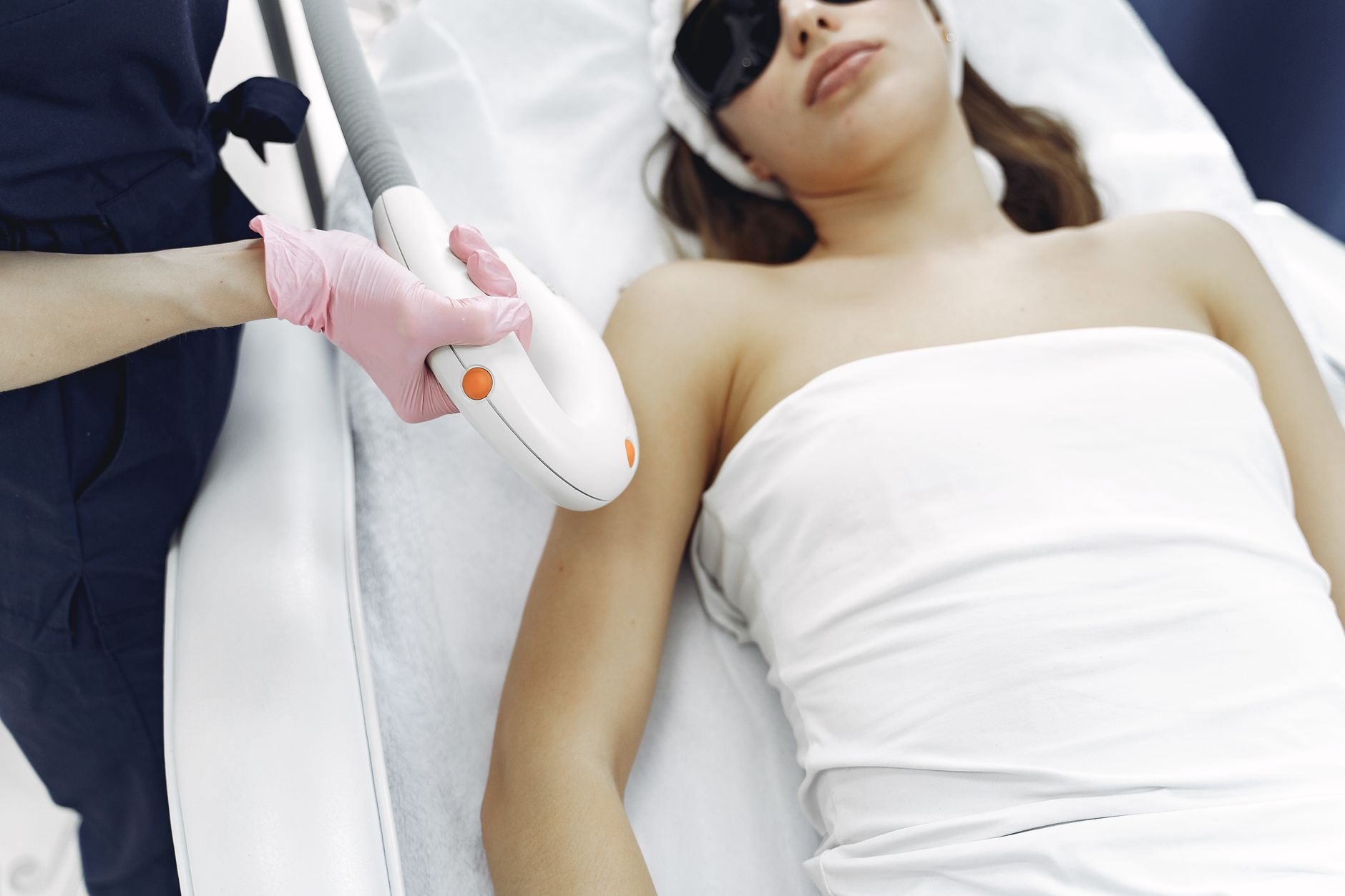
Laser hair removal has become a popular choice for those seeking a long-term solution to unwanted body hair. As with any beauty treatment, many people wonder about its safety and overall effectiveness. With advancements in laser technology, it’s essential to understand what laser hair removal entails, its potential side effects, risks, and benefits.
This comprehensive guide will discuss whether laser hair removal is safe and what you need to know before considering this treatment.
Is Laser Hair Removal Safe?
Yes, laser hair removal is generally considered safe when performed by trained professionals. However, like any cosmetic procedure, it comes with potential side effects and risks that should be discussed beforehand.
How Laser Hair Removal Works
Laser hair removal uses concentrated beams of light to target and destroy hair follicles. The pigment in the hair absorbs the light, which damages the follicle and inhibits future hair growth. This procedure can be done on various body parts, including the face, legs, arms, and bikini line.
Benefits of Laser Hair Removal
Laser hair removal offers several advantages over traditional hair removal methods. Here are some key benefits:
- Long-lasting results: Unlike shaving or waxing, which provides temporary relief, laser hair removal can lead to significant long-term hair reduction.
- Precision: Lasers can selectively target dark, coarse hairs while leaving surrounding skin unaffected.
- Speed: Each pulse of the laser takes a fraction of a second and can treat multiple hairs simultaneously, greatly reducing the time required for larger areas.
- Reduction of ingrown hairs: Laser hair removal can minimize the occurrence of ingrown hairs, a common issue with shaving and waxing.
Potential Side Effects of Laser Hair Removal
While laser hair removal is safe for many, it is essential to be aware of potential side effects. Most side effects are temporary and may include:
- Skin irritation: Temporary redness and swelling at the treatment site are common and typically subsides within a few hours.
- Changes in skin pigmentation: Some people may experience lightening or darkening of the skin, particularly those with darker skin tones.
- Bumps and blisters: Blisters may form in rare cases, but they usually heal without scarring.
- Eye injury: If the procedure is performed near the eyes without proper eye protection, there is a risk of damage.
Identifying Risks Associated with Laser Hair Removal
While laser hair removal is primarily safe, certain risks should be assessed before undergoing treatment:
- Skin type: Individuals with darker skin tones may be more susceptible to side effects due to the laser’s natural targeting mechanism.
- Hair color: Laser hair removal works best on individuals with dark hair and lighter skin tones. Light blonde, red, or gray may not respond effectively to treatment.
- Provider qualifications: Choosing a qualified and experienced practitioner is critical. Treatments done by untrained individuals can lead to complications.
- Pre-existing conditions: Conditions such as eczema, keloid scarring, or active infections may increase the risk of complications.
Preparing for Laser Hair Removal
Preparation can significantly influence the safety and effectiveness of laser hair removal. Here are some steps to follow:
- Consultation: Schedule a consultation with a licensed professional to discuss your medical history, skin type, and concerns.
- Avoid sun exposure: Limit sun exposure and tanning treatments several weeks before your appointment to minimize the risk of complications.
- No waxing or plucking: Avoid waxing, plucking, or electrolysis for at least six weeks prior to your treatment, as the laser needs the hair follicle intact.
- Shave the area: Shave the area to be treated one or two days before the session. This ensures that the laser targets the hair follicle effectively.
What to Expect During the Procedure
Understanding the procedure can help alleviate concerns about safety and effectiveness. Here’s what to expect:
- Preparation: You will wear protective eyewear to shield your eyes from the laser.
- Cooling gel: A cooling gel or cooling device may be applied to the treatment area to reduce discomfort.
- Laser application: The practitioner will use a handheld laser device to apply pulses of light to the hair follicles. Most people describe the sensation as a quick snap, similar to a rubber band.
- Post-treatment care: After the procedure, the practitioner may apply soothing cream or gel to minimize irritation.
Aftercare Following Laser Hair Removal
Post-treatment care is crucial to promote healing and minimize side effects. Here are some aftercare tips:
- Avoid sun exposure: Stay out of the sun and use a broad-spectrum sunscreen to protect treated areas for several weeks after treatment.
- Skip heat exposure: Avoid hot baths, saunas, and intense workouts for a few days post-treatment to reduce inflammation.
- Moisturize: Apply gentle moisturizers to keep the skin hydrated.
- Monitor for side effects: Watch for any unusual reactions, such as persistent redness or blistering. Contact your practitioner if you have concerns.
Common Myths About Laser Hair Removal
There are many misconceptions about laser hair removal that can lead to uncertainty. Here are some of the most common myths:
- It’s only for women: Laser hair removal is suitable for anyone regardless of gender, and many men seek treatment for areas like the back, chest, and beard.
- It’s a one-time treatment: While some may see results after one session, most people will require multiple sessions for permanent hair reduction.
- It hurts a lot: Discomfort varies by person, but most find the sensation tolerable, especially with added cooling measures.
- It’s not safe for darker skin: Modern technology has made it safer for those with darker skin tones than in the past.
Cost of Laser Hair Removal
Pricing for laser hair removal can vary significantly based on several factors:
- Location: Geographical factors play a significant role, with prices typically being higher in urban areas.
- Provider experience: Treatments done by experienced practitioners may cost more, but the quality and safety may justify the price.
- Treatment area: Large areas, such as the back or legs, will typically cost more than small areas like the upper lip.
- Number of sessions: Most individuals need multiple sessions, so it’s essential to consider the total cost over time.
Finding a Reputable Practitioner
Choosing the right provider is crucial for ensuring a safe and effective experience. Here are some tips for finding a reputable practitioner:
- Check credentials: Ensure the practitioner is licensed and has proper training in laser hair removal.
- Read reviews: Look for reviews from former clients to gather insights into their experiences.
- Ask about technology: Confirm the type of lasers used, as newer technology can enhance safety and effectiveness.
- Schedule a consultation: Meet with the practitioner beforehand to assess comfortability and gather information about their approach.
Realistic Expectations from Laser Hair Removal
Laser hair removal can significantly reduce hair growth, but it’s important to set realistic expectations:
- Most people experience about 70-90% hair reduction over multiple sessions.
- Hair may not be permanently removed, but regrowth is often finer and lighter.
- Maintenance treatments may be needed every year or so after the initial series.
Conclusion
Laser hair removal is a generally safe and effective option for long-term hair reduction when performed by trained professionals. While there are side effects and risks, understanding these and preparing appropriately can help mitigate concerns. If you are considering this treatment, consult with a qualified practitioner to tailor the approach to your needs.
For more information on laser hair removal and its implications, consider exploring how long laser hair removal lasts or learn about hirsutism and its treatment options.