
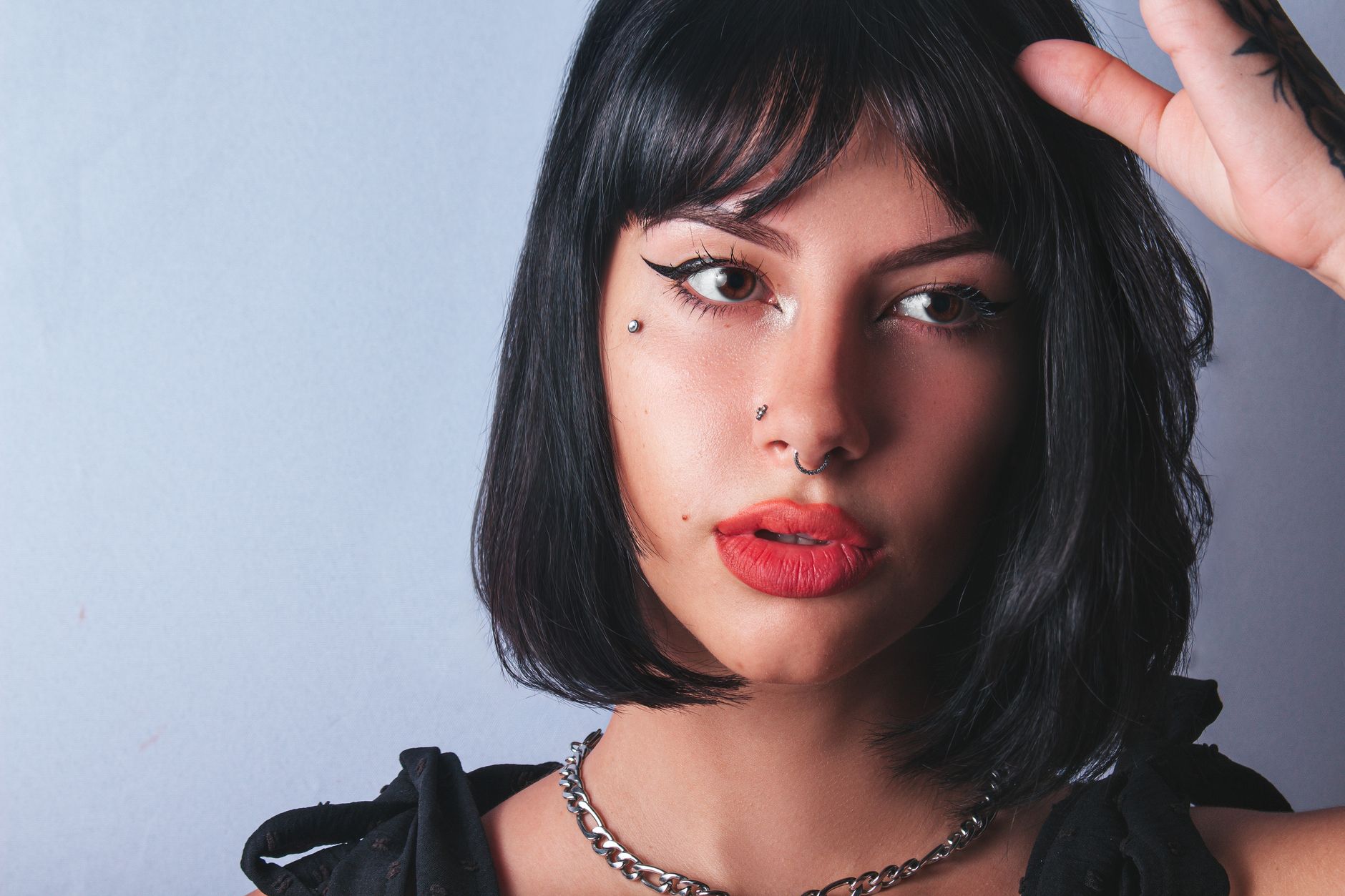
For those considering bangs, the decision is exciting but sometimes daunting. While bangs can completely transform your look, they also come with the commitment of regular upkeep. The question on many lips is: how long does it take for bangs to grow out? Understanding this can help in planning your hairstyle journey.
In essence, the average hair grows about half an inch per month, meaning bangs can take several months to grow out fully. However, factors like hair type, styling habits, and maintenance can affect this timeline significantly. Let’s explore the ins and outs of growing out bangs, including what to expect and how to manage the process.
How Long Does It Take for Bangs to Grow Out?
On average, bangs take about 6 to 12 months to grow out completely, depending on their starting length and individual hair growth rates. If you want to grow out bangs that have been cut to eye-level, expect the hair to reach a manageable length past your chin in about 6 to 9 months. However, those with naturally slow-growing hair may find they need a bit longer for bangs to blend seamlessly into the rest of their style.
Let’s delve deeper into the factors that influence hair growth and explore ways to manage the growing-out phase effectively.
Factors Influencing Hair Growth
- Genetics: Your family history plays a vital role in determining your hair growth rate. If your relatives have dense, fast-growing hair, you may experience the same.
- Aging: As we age, hair growth can slow down. This is due to changes in hormones and reductions in hair density and thickness.
- Health and Nutrition: A balanced diet rich in vitamins and minerals promotes healthy hair growth. Nutrients like proteins, omega-3 fatty acids, and biotin are particularly beneficial.
- Hair Type: Different hair types may experience varying growth rates. For example, wavy and curly hair may appear to grow slower due to the way it shrinks up.
- Hair Treatments: Frequent chemical treatments, heat styling, and coloring can weaken hair and affect its growth rate. Minimizing damage allows hair to grow more efficiently.
How to Manage Bangs While Growing Them Out
Growing out bangs might feel like a challenge, especially as they can become unruly. However, with some styling tricks and maintenance strategies, you can navigate this awkward phase. Here are some tips to help you manage your bangs while they grow out:
1. Regular Trims
While it may seem counterintuitive to cut your bangs while trying to grow them out, regular trims can help maintain their shape and remove split ends. This practice ensures that your hair remains healthy and may actually promote faster growth. Aim for a trim every 6-8 weeks, focusing on removing any dry or split ends without altering the length significantly.
2. Style According to Length
As your bangs grow, you will encounter different lengths. Employing styles that suit each stage will help you feel more comfortable. Some options include:
- Bobby Pin the Sides: For bangs that are too short to tuck behind the ear, use bobby pins to pin them back and create a chic look.
- Side-Swept Bangs: As your bangs get longer, try sweeping them to one side for an effortless appearance.
- Layering: Consult your stylist about incorporating layers to blend your bangs better with the rest of your hair as they grow out.
3. Use Hair Accessories
Hair accessories can be your best friends while growing out bangs. Consider these:
- Headbands: A stylish headband can keep your bangs in place and add a pop of color to your style.
- Hair Clips: Decorative clips can hold back bangs and elevate your overall look.
- Scarf: Tying a scarf around your head can create a bohemian vibe while keeping hair away from your face.
4. Experiment with Textures
Different textures can help disguise bangs at awkward lengths. Try these styling techniques:
- Waves: Loose waves can soften the appearance of growing bangs and add volume.
- Straightening: If your bangs are too short, straightening them can elongate their appearance and help them blend.
- Curls: Beachy or tight curls can create a fun, tousled look, transferring focus from the bangs to your overall hairstyle.
5. Maintain Healthy Hair
Keeping your hair healthy will aid in faster growth. Consider these tips:
- Use Gentle Hair Products: Avoid harsh shampoos and styling products that can strip hair of moisture and nutrients.
- Deep Conditioning: Regularly deep condition your hair to keep it hydrated and resilient.
- Scalp Care: Keep your scalp healthy with periodic scalp massages and treatments to stimulate blood flow.
When to Seek Professional Help
If you find that your hair is not growing at all or seems to be thinning, it may be time to consult a healthcare provider or a hair care professional. They can offer advice to identify potential underlying issues, such as hormonal imbalances or nutritional deficiencies that may be impacting your hair growth.
Understanding the Different Bang Styles
Not all bangs are created equal. The type of bangs you choose can also affect the time it takes for them to grow out. Here are common styles and their associated grow-out timelines:
- Blunt Bangs: Cut straight across the forehead, blunt bangs tend to grow out more evenly, which can make the process smoother.
- Side-Swept Bangs: These tend to blend more easily with longer hair, making the transition less noticeable.
- Wispy Bangs: These are often softer and more feathered, which may lead to a more gradual and less defined grow-out period.
- Curly Bangs: If your hair is textured, curly bangs may take longer to grow out, as the curl can shrink and alter the appearance of length.
Will Bangs Suit My Face Shape?
Before deciding on bangs, you may wonder whether they will flatter your face shape. Here are some recommendations based on different face shapes:
- Round Face: Wispy or side-swept bangs can elongate the appearance of a round face.
- Square Face: Soft, textured bangs can help soften strong jawlines.
- Heart Face: A layered or side-swept look can help balance a narrower chin.
- Oval Face: Most styles work well, but blunt bangs can emphasize balanced features.
Consider consulting a hairstylist to determine which bang style will best complement your face shape while factoring in your hair texture and growth patterns.
Adjusting Your Hair Care Routine During the Grow-Out Phase
Adapting your hair care routine can significantly impact the speed and health of your hair during the grow-out phase. Here are some suggestions to support healthy hair growth:
- Shampooing: Limit shampooing to 2-3 times a week to avoid stripping natural oils that sustain hair health. Hydrating shampoo is preferable.
- Conditioning: Use a conditioner designed for your hair type to ensure it remains moisturized. Always apply from the mid-length to the ends.
- Protective Styles: On days when you don’t plan to style your hair, consider protective styles to minimize manipulation and breakage.
- Supplements: Vitamins specifically geared toward hair health, like biotin, can help during this phase, but should be discussed with a healthcare provider first.
Realistic Expectations
As you embark on the journey of growing out your bangs, it’s vital to set realistic expectations. While you might wish for a speedy transformation, hair growth requires patience. The average growth rate of half an inch per month is consistent, but individual factors may affect this. Just remember, taking good care of your hair can yield satisfying results in both health and length.
Don’t hesitate to switch up your styles and explore creative options while you wait. Embrace this transitional period as an opportunity to experiment with your looks, ensuring you remain stylish and confident throughout the process.
What Are the Signs Your Bangs Are Ready to Transition?
Knowing when to move on from bangs can sometimes be a challenge. Look for the following signs:
- When your bangs can be easily swept to the side without falling out.
- When they blend better with the rest of your hair, creating a more unified look.
- When the length reaches a point where they no longer obscure your eyes or face.
Conclusion
Growing out bangs is a journey that requires a bit of time, effort, and creativity. Anticipating that it may take anywhere from 6 to 12 months to grow them out fully provides a guideline to help you prepare. During this phase, embrace different styles, maintain healthy hair habits, and adapt your hair care routine where necessary. With a positive mindset, you’ll navigate the challenges of transitioning out of bangs smoothly.
As you embark on hair changes, you might also consider exploring related topics such as how to cut bangs or how to style bangs for additional insights into achieving the look you desire.