
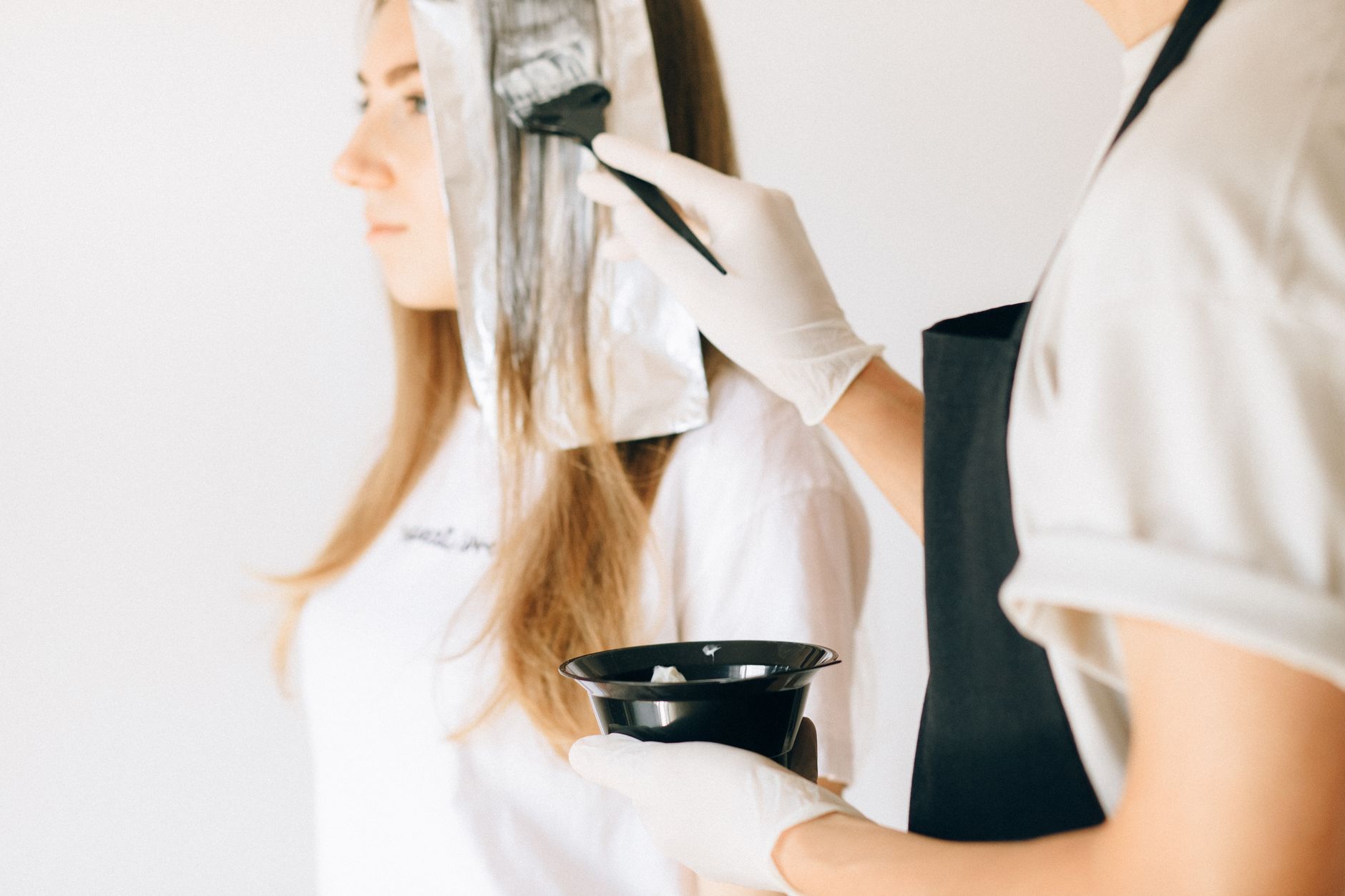
When it comes to hair color, many people find themselves at a crossroads: should they go for professional salon treatments or opt for the convenience of box dyes? This is a common question for those looking to save time and money without sacrificing their hair health. But is box dye bad for your hair? In this article, we’ll explore box dye’s potential effects, benefits, and expert recommendations to help you make an informed decision.
Box dye can offer an accessible and affordable option for those looking to change their hair color or cover grays. However, understanding the ingredients, application process, and long-term effects of these products is crucial. Let’s dive into the specifics to help you navigate this often-confusing terrain.
Is Box Dye Bad for Your Hair?
Box dye isn’t inherently bad for your hair, but its effects can vary based on individual hair type, condition, and specific product formulation. Box dyes generally contain ammonia and peroxide, which can potentially lead to dryness and damage if misused. However, with proper application and care, users can achieve beautiful results without compromising hair health.
Understanding Box Dye: Ingredients and How They Work
Box dyes typically come with two main components—color and developer. Here’s a closer look at the common ingredients found in box dye:
- Ammonia: This compound helps open up the hair cuticle, allowing the color to penetrate. While effective for long-lasting results, ammonia can also dry out your hair.
- Peroxide: Often used in the developer, peroxide lightens your natural hair color, preparing it for the dye. Its potency can lead to chemical damage if not used correctly.
- Color Pigments: These are responsible for the shade you see post-application. Various dyes categorically differ in terms of their pigment strength and formulation.
- Conditioning Agents: Many contemporary box dyes now contain ingredients like oils or silicones aimed at protecting and hydrating hair during the coloring process.
Potential Risks and Concerns of Box Dye
While box dye can provide excellent results, there are some concerns to be mindful of:
- Dryness: As previously mentioned, ammonia and peroxide can dry out hair. Once the moisture barrier is compromised, hair becomes more prone to breakage.
- Uneven Color Application: Box dyes often come with a one-size-fits-all approach, making it challenging to apply evenly. This can lead to patchy or streaked results.
- Allergic Reactions: Some individuals may develop allergic reactions to certain chemicals used in box dye. It’s crucial to perform a patch test before application.
- Lack of Customization: Unlike professional dyes, which can be tailored to your specific hair type and desired color, box dyes usually offer pre-mixed options.
Factors to Consider Before Using Box Dye
Before making your purchase, consider the following factors:
- Hair Type: Fine, porous, or previously damaged hair may react poorly to box dyes. Understanding your hair’s health can help you choose a safer, more suitable option.
- Desired Outcome: Are you looking for subtle highlights, a bold transformation, or merely covering grays? The complexity of the change can influence whether box dye is your best choice.
- Allergies/Sensitivity: If you have existing sensitivities to hair products, carefully check the ingredient list and perform patch tests.
- Time and Maintenance: Box dyes typically require regular upkeep. Weigh your willingness to adhere to the maintenance this might necessitate.
How to Use Box Dye Safely
If you decide to go ahead with box dye, follow these steps to minimize potential damage:
- Perform a Patch Test: Always do a patch test 48 hours before application to check for allergies.
- Read Instructions Carefully: Box dyes come with specific instructions. Familiarize yourself with each step beforehand.
- Prepare Your Hair: For best results, avoid washing your hair for 1-3 days before dyeing. This allows natural oils to build up and protect your scalp.
- Sectioning Your Hair: Divide your hair into manageable sections for even application. This step is crucial for preventing patchiness.
- Apply Evenly: Use the applicator bottle or brush to apply the dye from root to tip and ensure complete saturation.
- Follow Timing Guidelines: Stick to the recommended processing time, but check for development with a strand test to ensure optimal color.
- Rinse Thoroughly: Use cool water to rinse out the dye thoroughly and follow with a color-safe shampoo and conditioner.
Post-Dye Care: Protecting Your Hair
After using box dye, maintaining your hair’s health is paramount. Here are tips for post-dye care:
- Use Color-Safe Hair Products: Opt for shampoos and conditioners specifically designed for color-treated hair. These are often sulfate-free and gentle.
- Deep Condition Regularly: Use deep conditioners or hydrating masks once a week to restore moisture to your hair.
- Limit Heat Styling: Give your hair a break from heating tools such as straighteners and curling irons to prevent added stress and drying.
- Avoid Sun Exposure: Excessive sun exposure can fade hair color significantly. Use UV protection or wear a hat when spending extended time outdoors.
- Schedule Regular Trims: Keeping your hair healthy and free from split ends is crucial after dyeing. Regular trims can help maintain your hair’s integrity.
Professional vs. Box Dyes: Understanding Your Options
When considering whether to use box dye or seek professional help, it helps to weigh the pros and cons:
| Aspect | Box Dye | Professional Dye |
|---|---|---|
| Cost | Affordable | More expensive |
| Skill Level Needed | Low | High |
| Customization | Limited | Highly customizable |
| Color Longevity | Variable | More consistent |
| Hair Damage Risk | Moderate | Low with proper technique |
Common Box Dye Myths
To ensure you have a well-rounded understanding of box dyes, here are some common myths debunked:
- Myth: Box dyes are always damaging. Fact: While they can be damaging, proper care and quality formulations can mitigate this risk.
- Myth: You can’t go lighter with box dye. Fact: Some box dyes are specifically formulated to lift color, but extreme lifts often require professional help.
- Myth: All box dyes are the same. Fact: There are vast differences between brands and specific formulations, so research is essential.
Making an Informed Decision
Choosing whether to use box dye should come from a place of knowledge and understanding. Take your hair type, condition, and desired outcome into account. Whether you decide to take the leap with box dye or seek professional assistance, ensuring a healthy haircare routine will play a critical role in maintaining the vibrancy of your color and the integrity of your hair.
Final Thoughts: A Balanced Approach
In summary, box dye is not inherently bad for your hair, but it can lead to potential risks if not used correctly. By understanding the ingredients, ensuring the right application, and following post-dye care, you can successfully navigate the world of at-home coloring. Finally, while saving money on hair color is often tempting, remember that sometimes investing in a professional is worth the peace of mind and healthy hair it can provide.
Ready to learn more about hair care and color treatment? Explore our guides on whether dying your hair damages it and how long Arctic Fox hair dye lasts for more tips and insights.