
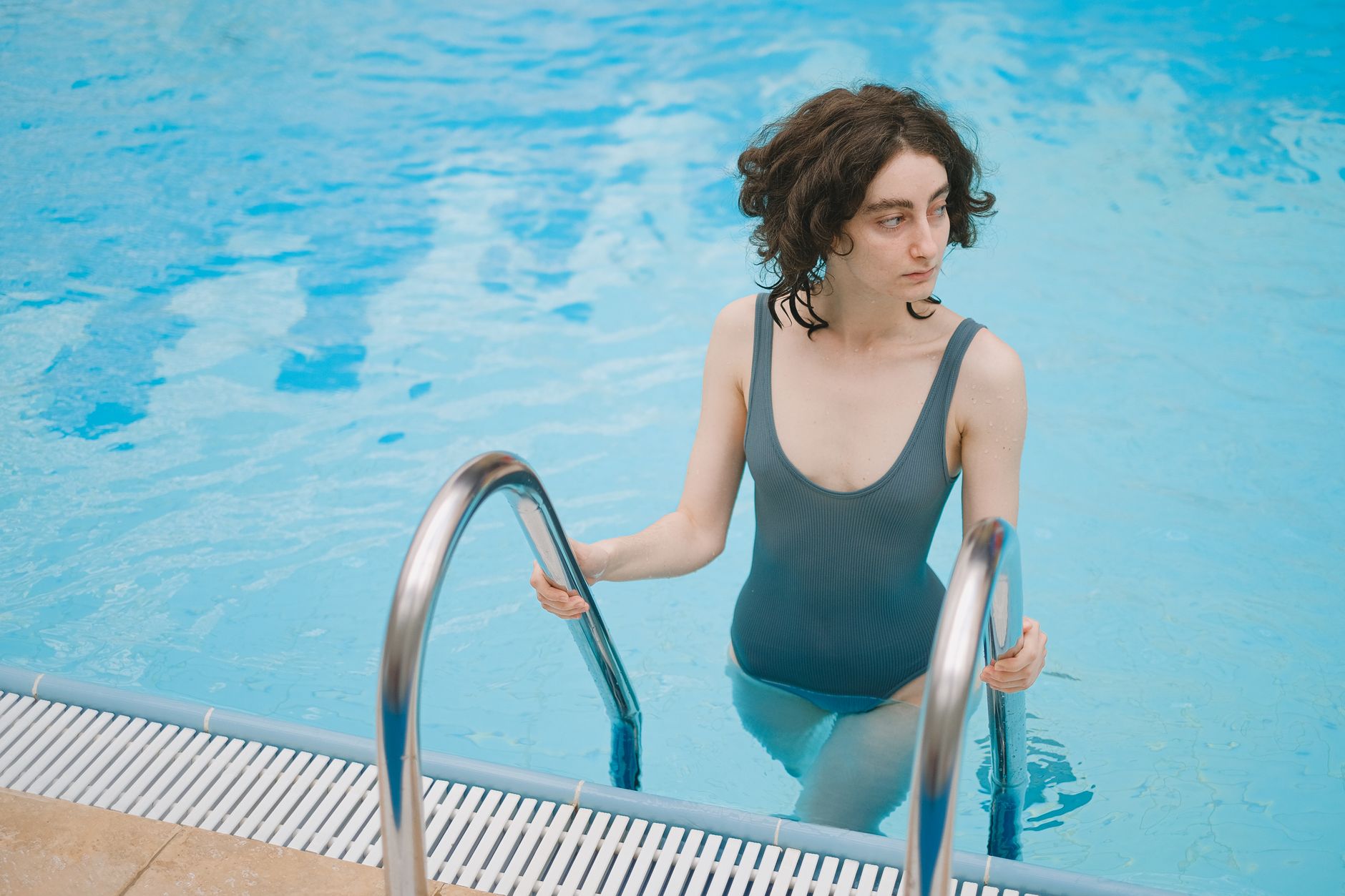
Chlorine is often used in swimming pools to keep the water clean and free of harmful bacteria. However, for those who spend a lot of time in the pool, it raises an important question: is chlorine bad for your hair? Understanding the risks associated with chlorine exposure and how to protect your hair can help you enjoy swimming without compromising your hair health.
This article will explore the effects of chlorine on hair, the types of damage it can cause, and effective strategies for recovery and prevention. Whether you’re a recreational swimmer or a competitive athlete, it’s vital to have the necessary information to maintain healthy hair in a chlorinated environment.
Is Chlorine Bad for Your Hair?
Yes, chlorine can be bad for your hair. It can strip your hair of its natural oils, leading to dryness, frizziness, and weakened strands. Prolonged exposure may also result in color fading for dyed hair and can contribute to an overall dull appearance.
How Chlorine Affects Hair
Chlorine works as an oxidizing agent, which is great for disinfecting pool water but detrimental for your hair. Here are some key ways that chlorine affects hair:
- Stripping Natural Oils: Chlorine can remove the natural oils that keep your hair moisturized, resulting in a dry and brittle texture.
- Color Fading: For those with color-treated hair, chlorine can cause the dye to fade more quickly, altering the intended hue.
- Protein Damage: Chlorine can break down the protein structure in hair, leading to weakened strands that may become more prone to breakage.
- Frizz and Tangle: The removal of moisture can lead to frizz and make hair harder to manage, often leading to more tangles.
- Scalp Irritation: Chlorinated water can irritate the scalp, leading to itchiness or dryness, which can also affect hair growth.
The Science Behind Chlorinated Water
Chlorine is commonly added to swimming pools to sanitize the water and eliminate harmful bacteria that can cause infections. While keeping the water clean, chlorine interacts with the hair’s proteins, making it less protective.
The outer layer of a hair strand, called the cuticle, is meant to protect the inner layers and retain moisture. Chlorine can lift the cuticle, exposing hair to environmental damage and leading to further deterioration if not managed properly.
Signs of Chlorine Damage
Recognizing the signs of chlorine damage early can help you take the necessary steps to mitigate further harm. Here are some common indicators:
- Dryness: Hair may feel rough to the touch and lack its usual shine.
- Brittleness: You may notice that your hair breaks more easily or becomes fragile.
- Color Changes: Dyed hair can change shade, often becoming brassy or lighter in color.
- Frizz and Flyaways: Hair can appear frizzier and harder to style due to increased porosity.
- Itchy Scalp: Irritation can lead to discomfort on the scalp, making it important to check for dryness or inflammation.
How to Protect Your Hair from Chlorine
Taking preventative steps can significantly reduce the potential damage chlorine can cause to your hair. Here is a step-by-step guide to protect your locks:
- Pre-Swim Care: Wet your hair with fresh water before entering the pool. This can help reduce the amount of chlorine your hair absorbs.
- Use a Swim Cap: A swim cap can provide a barrier between your hair and chlorine, minimizing exposure and damage.
- Hair Oil or Leave-in Conditioners: Applying a protective oil or leave-in conditioner can help coat the hair and offer additional protection from chlorine.
- Avoid Heat Styling: Reduce the use of heat styling tools around swim season to minimize further damage.
- Choose a Clarifying Shampoo: Invest in a clarifying shampoo designed to remove chlorine and buildup. Use it sparingly to avoid stripping too much moisture.
Post-Swim Hair Care Routine
After you’ve enjoyed your swim, it’s crucial to follow a post-swim care routine. Implement these steps to rejuvenate your hair:
- Rinse Immediately: Rinse your hair with fresh water immediately after swimming to remove chlorine and reduce its drying effects.
- Use a Gentle Shampoo: Follow up with a gentle shampoo that removes chlorine without stripping natural oils.
- Deep Condition: Apply a deep conditioner tailored for dry or damaged hair to replenish lost moisture. Aim for a product with ingredients like shea butter, coconut oil, or argan oil.
- Detangle Gently: When your hair is damp, use a wide-tooth comb to detangle. This minimizes breakage and damage.
- Opt for Leave-in Treatments: Consider using a leave-in conditioner or protein treatment after washing to help restore strength and moisture.
Choosing the Right Hair Care Products
When selecting hair care products, especially for hair exposed to chlorine, look for specific ingredients and product types that can help restore moisture and prevent damage:
- Hydrating Shampoos: Look for sulfate-free formulas that cleanse gently while retaining moisture.
- Clarifying Shampoos: As mentioned, these can help remove chlorine and product buildup but should be used sparingly.
- Deep Conditioning Masks: A weekly treatment can provide essential hydration and nutrients. Seek out masks with coconut oil, honey, and humectants.
- Leave-in Conditioners: They are great for ongoing hydration and protection throughout the day.
Home Remedies for Chlorine Damage
If you prefer natural treatments, several home remedies may also help restore hair health after exposure to chlorine:
- Aloe Vera: Apply pure aloe vera gel to your hair for hydration and soothing properties.
- Coconut Oil: A pre-swim treatment of coconut oil can create a protective barrier on your hair.
- Apple Cider Vinegar: Mix equal parts apple cider vinegar and water to create a rinse that helps restore pH and remove stubborn residue.
The Influence of Hair Type
Understanding your hair type can help you tailor your hair care approach to combat chlorine damage effectively. Here are some considerations:
- Straight Hair: Often appears shinier but can get oily quickly. Ensure cleansing products address both moisture and buildup.
- Curly Hair: Typically more prone to dryness, so heavy conditioning treatments are essential after swimming.
- Color-Treated Hair: Requires extra care. Choose products that are specifically formulated for color protection.
When to Seek Professional Help
If damage from chlorine is severe, or if you experience persistent itchiness or scalp issues, it may be time to consult with a professional stylist or dermatologist. They can recommend specific treatments designed for your hair type as well as address any underlying scalp conditions.
As with any hair care regimen, individual results can vary. It’s essential to listen to your hair and adjust your routine based on how it responds to protective measures and treatments.
Conclusion
Chlorine can indeed be harmful to your hair, leading to dryness, damage, and color fading. However, with proper care and attention, it is possible to protect and rejuvenate your hair after exposure. By following the tips outlined here, you can enjoy your time in the water while still maintaining healthy, beautiful hair.
As you continue your hair care journey, consider exploring further guides, such as understanding sea salt spray damage or learning about the expiration of lip balms for holistic beauty care.