
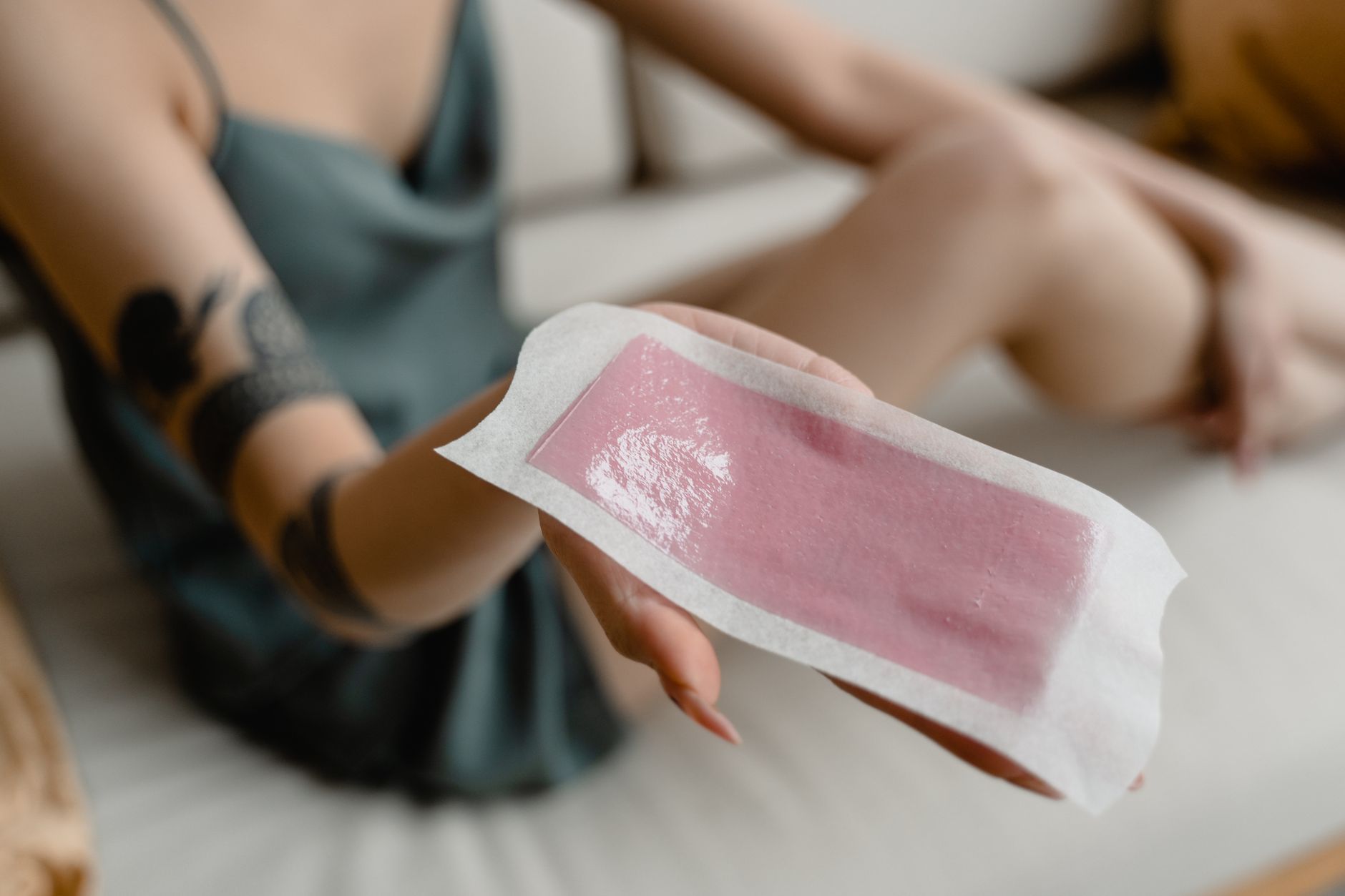
Waxing is a popular hair removal method that leaves the skin smooth and hair-free. However, there’s a common dilemma that many face after a waxing session: how to get wax off skin without causing irritation. Fortunately, there are several gentle methods and skin care tips that can help effectively remove wax while also nurturing your skin.
This guide will provide you with practical solutions to rid your skin of unwanted wax, along with essential skincare tips for post-wax care. Whether it’s during at-home waxing or after a professional session, knowing how to handle sticky situations will keep your skin healthy and radiant.
How to Get Wax Off Skin?
The best way to get wax off skin is to use natural oils or specific products designed to dissolve the wax gently. Essential oils, baby oil, or mineral oil are excellent options, but there are other effective methods to consider. Additionally, understanding how to treat your skin after removing wax is crucial to maintaining its health and preventing irritation.
Understanding Waxing and Common Problems
Waxing involves applying a layer of warm wax to the skin, which adheres to hair. Once the wax cools, it’s pulled off quickly, removing hair from the root. Some common issues that can arise with waxing include:
- Wax residue left on the skin
- Irritation or redness post-wax
- Breakouts or bumps due to clogged pores
Knowing how to tackle wax residue effectively is imperative for a smooth recovery and optimal skin health.
Gentle Methods to Remove Wax from Skin
1. Using Natural Oils
Natural oils can help break down the wax without damaging the skin. Here are a few oils to consider:
- Olive oil: A common household item, olive oil can loosen wax residue effectively.
- Coconut oil: This nourishing oil not only removes wax but also hydrates the skin.
- Baby oil: Ideal for sensitive skin, baby oil safely breaks down wax.
- Mineral oil: This is another option that can effectively remove wax without irritation.
To use oils for removing wax, apply a small amount directly onto the affected area and gently massage with a cotton ball or soft cloth. Wipe until the wax is gone and rinse the area with warm water.
2. Using Alcohol or Vinegar
Both rubbing alcohol and vinegar can help dissolve the wax, although these should be used with caution to avoid irritation:
- Rubbing alcohol: Use a cotton ball dampened with rubbing alcohol. Gently rub the area until the wax lifts away.
- White vinegar: Dilute vinegar with a little water and apply it to the wax residue, letting it sit for a few minutes before gently wiping off.
Always test on a small skin patch first to ensure there is no adverse reaction.
3. Using baby wipes or cloths
If you’re in a pinch, baby wipes or soft cleansing cloths can help lift away smaller amounts of wax:
- Gently rub the area with a baby wipe until the wax comes off.
- Ensure that the wipes are alcohol-free to prevent irritation.
4. Utilising Wax Remover Products
Commercial wax remover products are designed specifically for this purpose and can be very effective.
- Look for adhesives remover pads or oils that can target unwanted wax.
- These products are often formulated to work with skin sensitivity, so choose one that fits your skin type.
Always follow the manufacturer’s instructions for use, and test on a small patch of skin for any potential sensitivity.
5. Using Warm Towels
Warm towels can soften the wax, making it easier to remove:
- Soak a soft towel in warm water, wring out the excess, and place it over the waxed area for a few minutes.
- Gently wipe the area with the towel, and the wax should begin to lift off.
Aftercare Tips for Your Skin
Once you’ve successfully removed the wax, focus on caring for your skin. Here are some skincare tips to help soothe any irritation and promote healing:
1. Cleanse the Skin
After wax removal, it’s essential to cleanse the area gently:
- Use a mild, unscented cleanser to avoid further irritation.
- Rinse with cool water to calm the skin.
2. Moisturize
Applying moisturizer can prevent dryness and keep the skin hydrated:
- Use a fragrance-free lotion or oil to nourish the skin.
- Look for products containing soothing ingredients like aloe vera or chamomile.
3. Avoid Harsh Products
Refrain from using exfoliants, retinols, or products with strong actives for at least 48 hours after waxing:
- These can irritate freshly waxed skin and lead to further issues.
- Stick with gentle, hydrating formulas instead.
4. Sun Protection
Post-wax skin may be more sensitive to sun exposure:
- Apply a broad-spectrum sunscreen with SPF 30 or higher if the area will be exposed to sunlight.
- This protects the skin from potential sunburn and pigmentation changes.
5. Observe for Irritation
Keep an eye on the waxed area for any unusual reactions, such as redness or bumps:
- If you notice these symptoms lasting more than a few days, consult with a skincare professional.
Common Mistakes to Avoid
While removing wax from your skin, it’s easy to make mistakes that can lead to skin irritation or other issues. Here are some things to avoid:
- Avoid using hot water immediately after waxing, as it may exacerbate redness and irritation.
- Don’t scrape or scrub the wax off aggressively, as this can damage the skin.
- Steer clear of using overly harsh chemicals or scrubbing pads on sensitive areas.
Post-Wax Care Routines
Routine for Different Skin Types
The way you care for your skin post-wax can vary based on skin type. Here’s how to adjust your routine accordingly:
- Sensitive skin: Opt for fragrance-free, hypoallergenic products to minimize irritation.
- Dry skin: Look for heavier creams or oils enriched with hydrating ingredients, such as hyaluronic acid or shea butter.
- Oily skin: Use lightweight, oil-free moisturizers that won’t clog pores.
Sample Post-Wax Routine
- Cleanse the area gently with a mild cleanser.
- Apply a calming toner if needed.
- Moisturize using a suitable product for your skin type.
- Apply sunscreen if going outdoors.
- Avoid waxing again until the skin has fully recovered.
When to Seek Professional Help
If you’ve tried at-home methods and the wax remains on your skin, or if you experience significant irritation after waxing, it may be time to consult a professional. Look for signs that warrant professional advice:
- Persistent pain or unbearable irritation in the waxed area.
- Signs of infection, such as pus, swelling, or increased redness.
- Severe allergic reactions like hives or difficulty breathing.
Conclusion and Next Steps
Removing wax from your skin can be a hassle, but with the right methods and post-care, your skin can remain smooth and healthy. The key is to use gentle techniques to remove wax, combined with nourishing care to soothe your skin afterward. Remember to avoid common mistakes and customize your routine based on your skin type.
As you continue your beauty journey, consider exploring other related beauty guides, such as how to remove nail glue from skin or how to get hair dye off your skin for more helpful tips and tricks.