
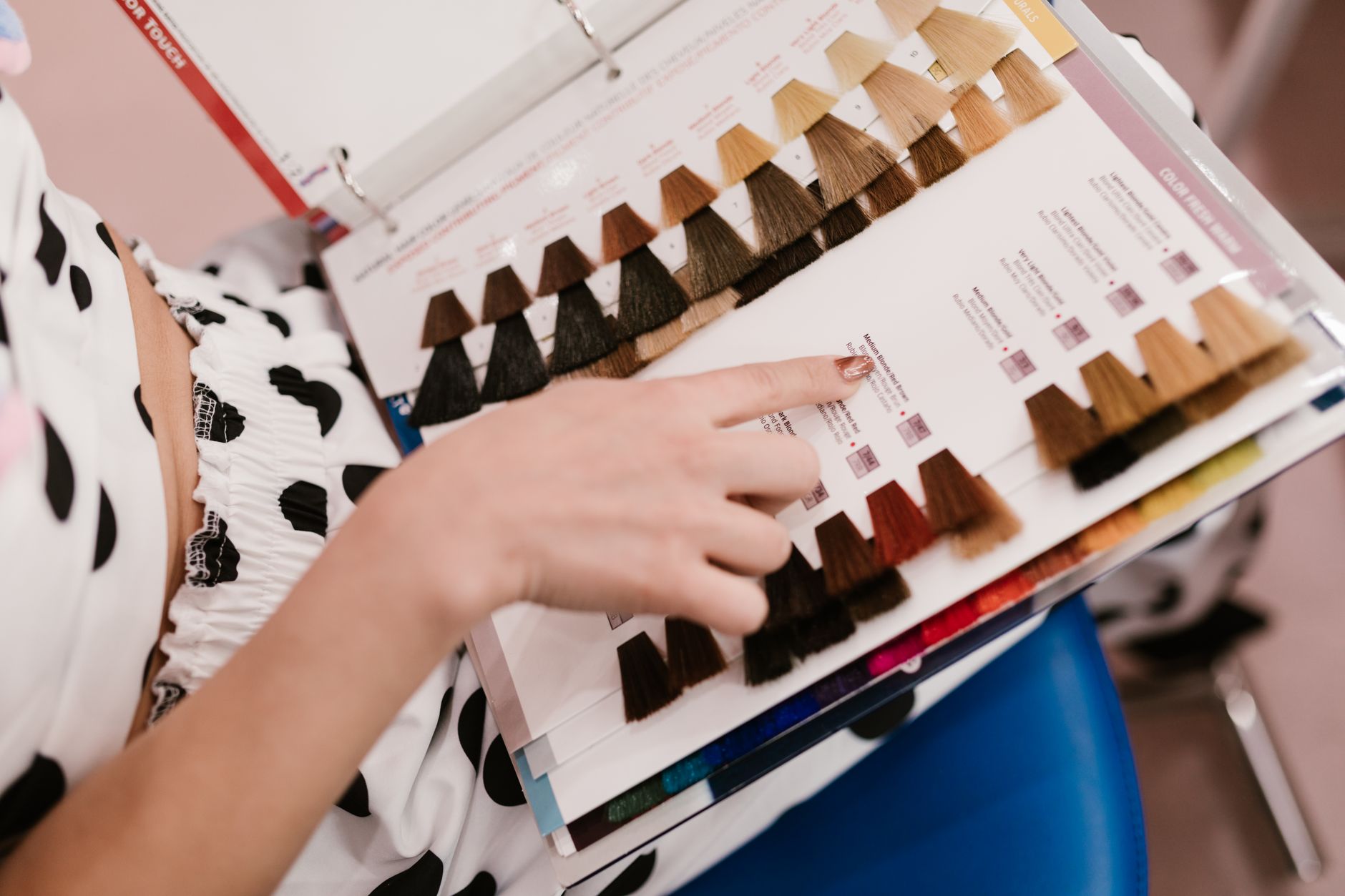
Choosing the right hair color can be a game changer for your overall look and confidence. With so many hues and shades available, it can feel overwhelming to determine what will work best for you. This guide will help you explore factors that influence your hair color choices, from skin tone to lifestyle, ensuring you find the perfect match.
Understanding what hair color complements your features involves several considerations. This comprehensive guide will break down color theory, help you identify your skin tone, and discuss how to choose a shade that aligns with your personality and lifestyle.
What Hair Color Is Best for Me?
The best hair color for you depends significantly on your skin tone, eye color, and even your hair type. To find the most flattering shade, you should consider your natural undertones, your lifestyle, and how much maintenance you’re willing to undertake. Below, we’ll explore these factors in detail.
Understanding Skin Undertones
The first step in deciding your ideal hair color is understanding your skin undertone. Your skin can fall into one of three primary categories: cool, warm, or neutral. Identifying your undertone can better guide your color choices.
Cool Undertones
- Your skin has a pink, red, or bluish hue.
- You may notice that silver jewelry complements you more than gold.
- Typically, your veins appear blue or purple under natural light.
Warm Undertones
- Your skin has a yellow, peach, or golden hue.
- Gold jewelry looks better on you than silver.
- Under natural light, your veins may appear green.
Neutral Undertones
- Your skin has a mix of cool and warm tones.
- Both gold and silver jewelry can complement your look.
- Your veins might appear to be a bit of both colors.
Finding the Right Hair Color Based on Skin Tone
Hair Colors for Cool Undertones
If you have cool undertones, the following hair colors will create a beautiful contrast with your skin:
- Cool blonde shades like platinum or icy blonde.
- Deep browns with ashy undertones.
- Bold colors like violet or blue-black.
- Soft pastel shades such as lavender or mint green.
Hair Colors for Warm Undertones
Those with warm undertones should consider the following colors:
- Golden blondes or honey hues.
- Rich browns and warm chestnuts.
- Vibrant shades like fiery red or copper.
- Warm balayage techniques can also enhance your features.
Hair Colors for Neutral Undertones
If you are neutral-toned, you have more flexibility. Consider the following options:
- Neutral blondes that don’t lean too warm or too cool.
- Chocolate browns or caramel shades.
- Muted colors like rose gold or soft mauve.
- Experiment with highlights that combine different tones.
The Role of Eye Color in Choosing Hair Color
In addition to skin undertones, your eye color also plays a part in selecting the right hair color. Here’s how it can influence your decision:
Blue Eyes
Blue-eyed individuals often opt for hair colors that create contrast:
- Cool blonde shades enhance blue hues.
- Deep browns or soft ash colors can also complement the brightness of blue eyes.
Green Eyes
Green eyes benefit from colors that highlight their warmth:
- Golden blondes or warm coppers work beautifully.
- Chocolate browns with gold flecks can enhance your eye color.
Brown Eyes
Brown-eyed individuals have many options:
- Warm chestnuts or rich auburns create depth.
- Cool shades can also work, depending on your skin tone.
Hazel Eyes
Hazel eyes can shift in color based on the hair:
- Warm blondes and reds make hazel eyes pop.
- Cool tones also work to emphasize the green or brown flecks.
Hair Type and Its Impact on Color Choice
Your hair type can influence how a color looks on you and the maintenance required. Here are some factors to consider based on your hair type:
Straight Hair
Straight hair often looks sleek and reflective. Bright colors or multi-dimensional highlights can enhance shine. Opt for:
- Bold, vibrant colors that stand out.
- Soft balayage for subtle dimension.
Curly Hair
Curls can add volume, which can amplify the effect of color. Choose shades that enhance the depth:
- Rich, warm colors like auburn or copper.
- Balayage techniques create the illusion of dimension without harsh regrowth lines.
Wavy Hair
Wavy hair benefits from medium shades that emphasize texture:
- Soft pastels or sunny highlights can enhance your waves.
- Warm balayage shades add depth and movement.
How to Decide on a Shade Based on Lifestyle
Some hair colors require more upkeep than others. Your lifestyle will affect how much time and effort you can commit to maintaining your color:
Low-Maintenance Shades
If you prefer fewer trips to the salon, consider:
- Natural tones close to your own color.
- Subtle highlights or balayage that grow out easily.
- Shades that only require semi-annual touch-ups.
High-Maintenance Shades
If you enjoy frequent hair appointments, you might love:
- Bold colors that require regular maintenance.
- Vibrant and playful hues that need periodic refreshing.
Temporary vs. Permanent Hair Color Options
When choosing a shade, also consider the type of color product you’ll use. This can affect the longevity and the intensity of the hue:
Temporary Hair Color
Temporary hair colors can be a great way to experiment:
- They wash out after a few shampoos.
- Good for trying out a bold shade without a long-term commitment.
Permanent Hair Color
Permanents can transform your look for longer periods. Here’s what to consider:
- More color durability but requires touch-ups as your hair grows.
- Can be more damaging, so ensure you’re using quality products.
Consultation and Testing
Before making a final decision about a hair color, it’s wise to consult with a professional hairstylist. They can provide insights based on your personal features and preferences.
Additionally, consider testing the color:
- Use temporary hair color sprays or wigs to visualize the shade.
- Take photos in different lighting to see how the color appears.
Common Mistakes to Avoid
When selecting a hair color, there are several common pitfalls to avoid:
- Choosing a shade solely based on trends instead of what enhances your natural features.
- Not considering maintenance, leading to hair neglect or frustration.
- Failing to test a color before committing to a permanent change.
Additional Tips for Healthy Hair After Coloring
Once you’ve chosen your hair color, it’s crucial to maintain hair health:
- Invest in quality hair care products designed for color-treated hair.
- Schedule regular trims to keep ends healthy and reduce damage.
- Protect your hair from heat and UV rays to prolong color vibrancy.
Final Thoughts
Determining what hair color is best for you involves a combination of understanding your skin tone, eye color, hair type, and lifestyle. By considering all these elements, you can find a shade that enhances your natural beauty and complements your overall look. Take the time to explore your options, consult with professionals, and experiment until you find the color that feels like the most authentic version of you.
Ready to color your hair? Explore how to color hair like a pro at How to Color Hair, or learn more about semi-permanent options at What Is Semi-Permanent Hair Color?.