
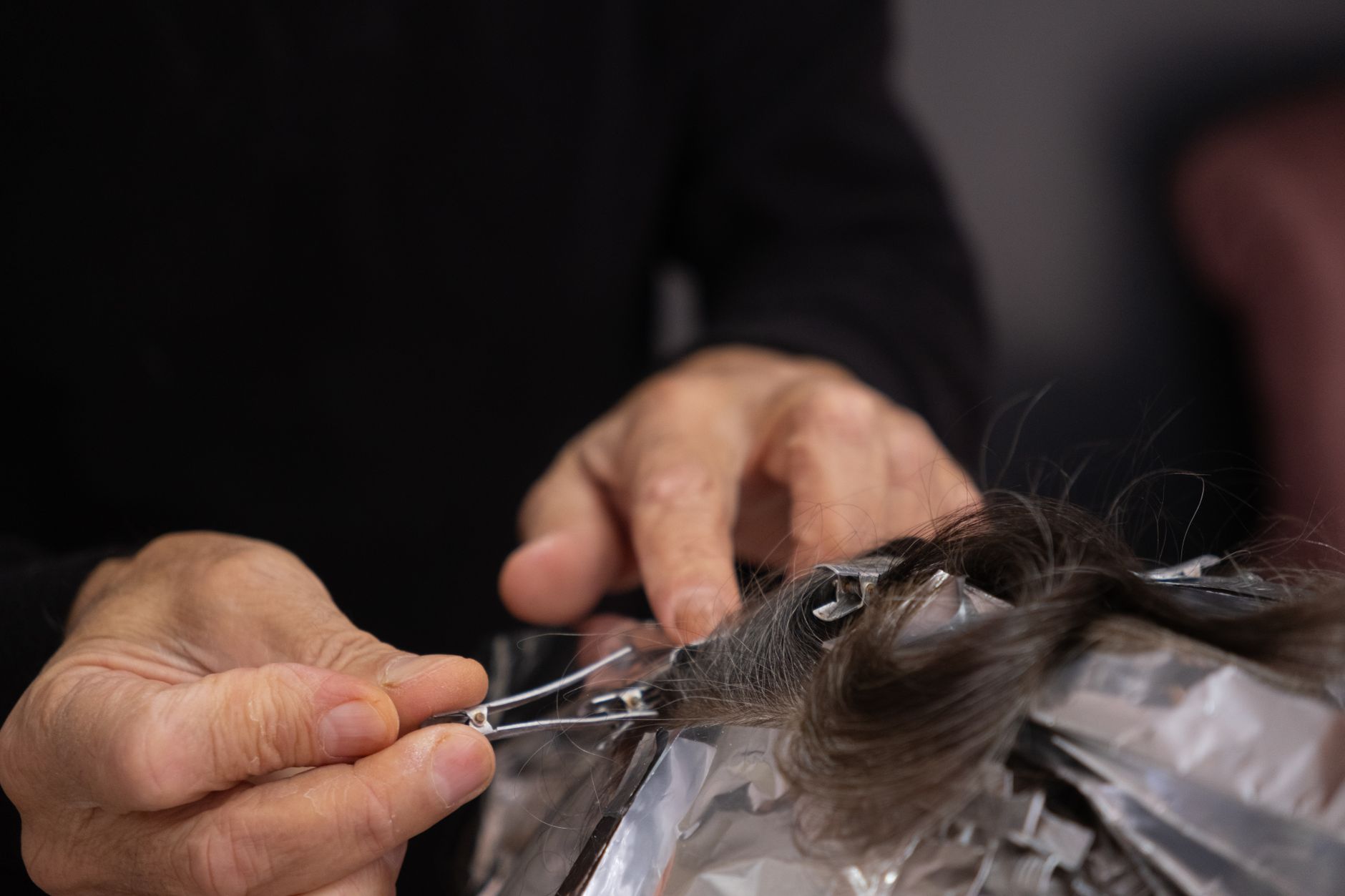
Coloring your hair at home can be a fun and creative way to express your personality. With the right tools and knowledge, you can achieve salon-quality results without the hefty price tag. Whether you want to cover gray hair, try a bold new shade, or enhance your natural color, this comprehensive guide will walk you through every step of the process.
In this article, we will cover the essential tools needed, preparation steps, safety tips, application techniques, and aftercare to maintain your vibrant color. Let’s dive into how to color hair at home with confidence and ease!
How to Color Hair at Home?
Coloring hair at home involves using color products to change your hair’s hue while understanding the necessary tools and techniques. This process typically includes choosing the right hair dye, preparing your hair and workspace, and finally applying the dye correctly for even, stunning results.
Essential Tools for Hair Coloring
Before you start, it’s crucial to gather your tools. Here’s a list of essential items you will need to color your hair at home:
- Hair dye (permanent, semi-permanent, or temporary)
- Color mixing bowl
- Applicator brush
- Gloves
- Old towel or cape
- Comb
- Hair clips
- Mirror (preferably two, for easier visibility)
- Timer
- Conditioner (for aftercare)
Preparing for Hair Coloring
Preparation is key to ensuring a successful hair coloring experience. Follow these steps to get ready:
1. Conduct a Strand Test
Before applying dye to your entire head, perform a strand test. This involves applying the dye to a small section of hair to see how your hair reacts and to check the final color. It can help you avoid any unexpected surprises.
2. Choose the Right Color
Picking the right color for your skin tone and personal style is vital. Keep in mind the following tips:
- Cool skin tones usually look best with ash, platinum, or cool blonde shades.
- Warm skin tones typically pair well with golden blondes, warm browns, and rich reds.
- If you are unsure, consider going for a shade darker than your natural color, as this often provides a more flattering look.
3. Prepare Your Hair
Your hair should be clean and dry prior to coloring. Avoid using conditioner right before the dye application, as it can create a barrier. If you have recently washed your hair, it’s recommended to wait at least 24 hours before coloring.
4. Set Up Your Workspace
Choose a well-lit area to work. Lay down an old towel to protect surfaces from stains. Have all your tools within reach to streamline the process.
5. Dress for the Occasion
Wear an old shirt or a hair coloring cape to protect your clothes from dye spills. Gloves should be worn to prevent staining your hands and to limit potential irritation from the dye.
Application Techniques for Hair Coloring
Here’s a step-by-step guide on how to apply hair dye effectively:
- Mix the Dye: Follow the instructions on the hair dye packaging for mixing. Usually, this involves combining the color cream with the developer in a bowl.
- Section Your Hair: Use a comb to divide your hair into sections. This makes it easier to apply the dye evenly. Depending on your hair length, you may want to create two to four sections.
- Apply the Dye: Start with the roots. Using your applicator brush, apply the dye directly to the roots while working your way down to the tips. Ensure every strand is coated for a uniform color.
- Comb Through: After applying the dye, use a comb to distribute the color evenly throughout your hair. This ensures that all strands are saturated.
- Time It: Follow the manufacturer’s instructions on how long to leave the dye in. Setting a timer can help you keep track of the processing time.
- Rinse and Condition: Once the time is up, rinse your hair with lukewarm water until the water runs clear. Apply conditioner to help restore moisture and seal the color.
Safety Tips When Coloring Hair at Home
Your safety and comfort should always be a priority. Here are some tips to keep in mind:
- Perform a patch test 48 hours before dying to check for allergic reactions. Apply a small amount of dye to a discreet skin area and monitor for any adverse reactions.
- Ensure your workspace is well-ventilated to avoid inhaling fumes from hair dye.
- Be cautious of stains on the skin or clothing. Use petroleum jelly to create a barrier around your hairline and ears before dye application.
- If you have sensitive skin or scalp issues, consult with a professional before proceeding.
Common Mistakes to Avoid
Being aware of common pitfalls can help ensure a successful dye job:
- Skipping the strand test can lead to unexpected results or reactions.
- Applying dye to wet hair can dilute the formula and lessen its effectiveness.
- Rushing through the application process can result in uneven color and patches.
- Neglecting to follow the timing instructions may either result in a color that is too dark or not developed enough.
Aftercare for Colored Hair
After coloring your hair, you want to maintain its vibrancy and health. Follow these aftercare tips:
1. Use Color-Safe Products
Invest in shampoos and conditioners that are designed for color-treated hair. These products are usually sulfate-free, which helps prevent fading.
2. Minimize Heat Styling
Limit the use of heat styling tools as much as possible during the first few weeks to avoid stripping the color and drying out the hair.
3. Deep Conditioning Treatments
Incorporate regular deep conditioning treatments into your routine to keep your hair moisturized and healthy. Look for masks that restore and nourish color-treated hair.
4. Protect from Sun & Chlorine
Sun exposure and chlorine in swimming pools can fade hair color. Use hats or UV protectant sprays when in the sun, and rinse your hair after swimming.
5. Regular Touch-Ups
Depending on the dye you use and how fast your hair grows, plan to do touch-ups every 4-6 weeks to keep the color looking fresh.
Realistic Expectations for Home Hair Coloring
While at-home hair coloring can produce beautiful results, it’s important to have realistic expectations:
- Your color may not turn out exactly as shown on the box due to individual hair tone and texture.
- Results may vary based on the dye used, the current state of your hair, and its porosity.
- It may take practice to master the technique of applying color evenly.
Conclusion
Coloring your hair at home can be a rewarding and creative process if you take the time to prepare and heed safety tips. Understanding the tools needed, application techniques, and aftercare will help you achieve the stunning results you desire.
Ready to take the plunge with your hair color? Check out our guides on how long to leave hair dye in and how to do highlights at home for even more tips and tricks to elevate your hair coloring game.