
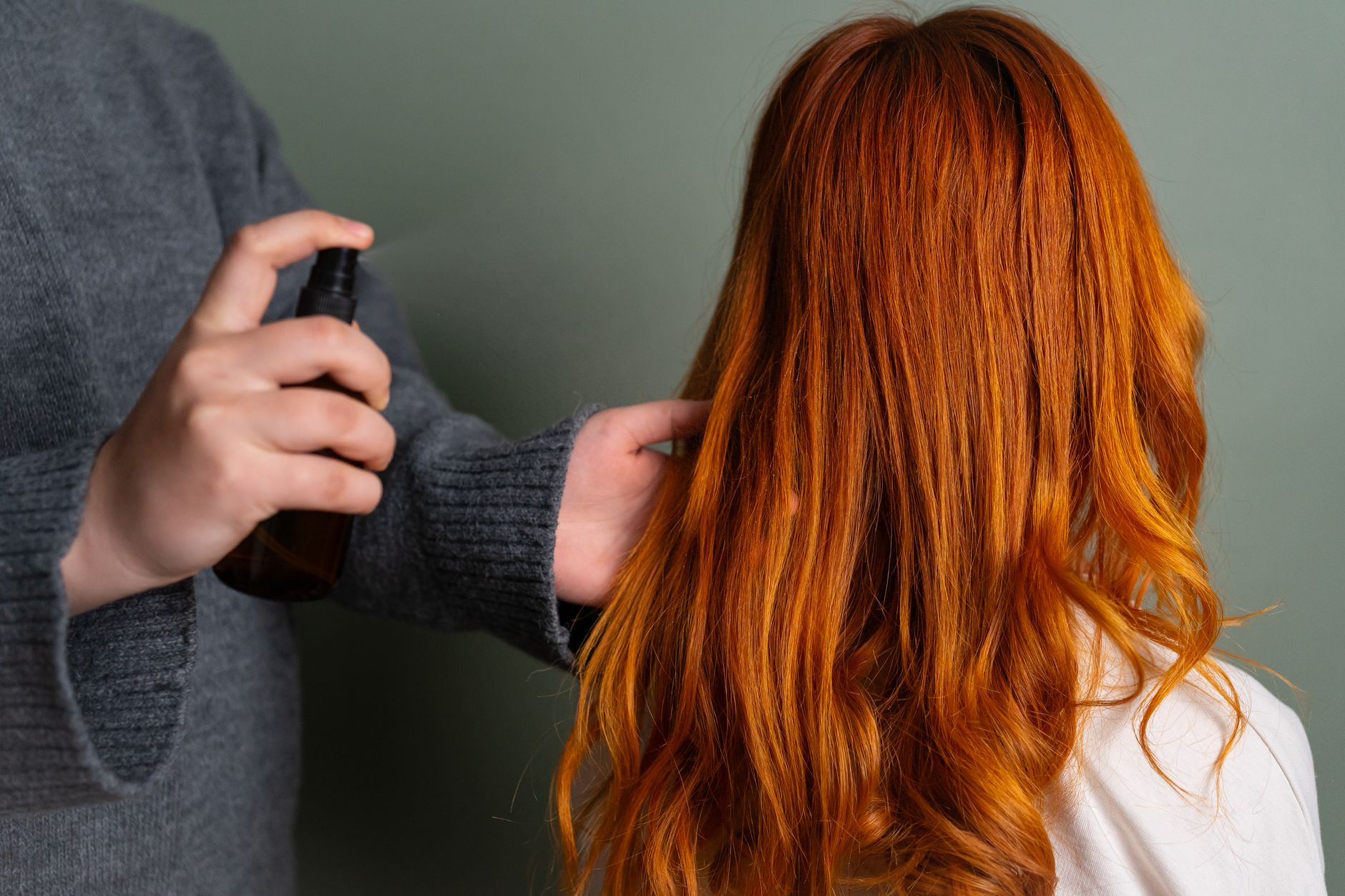
Understanding the best conditioning routine for your hair can be a game changer in maintaining its health and appearance. The frequency at which you should condition your hair depends on several factors, including your hair type, texture, and lifestyle. This guide will help you navigate the world of hair conditioning to achieve stunning, nourished locks.
Conditioning is crucial for replenishing moisture, detangling, and providing essential nutrients to your hair. To ensure you get the best results, let’s explore how often you should condition your hair based on various factors.
How Often Should You Condition Your Hair?
The frequency with which you should condition your hair can vary widely. For most people, conditioning after every shampoo is a good rule of thumb, but specific hair types and conditions may require adjustments. On average, you can condition your hair anywhere from once to thrice a week, depending on the following aspects:
Factors That Affect Conditioning Frequency
1. Hair Type
Your hair type is one of the most significant determinants of your conditioning routine:
- Straight Hair: If your hair is straight, it may require less frequent conditioning since oils from your scalp can easily travel down the hair shaft. Conditioning once or twice a week may be sufficient.
- Wavy Hair: Wavy hair often benefits from a bit more moisture. Conditioning every other wash can help maintain texture without weighing it down.
- Curly Hair: Curls crave moisture! You may need to condition your hair after every wash, or even incorporate leave-in conditioners to keep your curls hydrated and defined.
- Kinky/Coily Hair: Coily hair tends to be drier and often benefits from deep conditioning weekly or bi-weekly, along with regular conditioning after each wash.
2. Hair Texture
In addition to hair type, texture plays a crucial role:
- Fine Hair: This type can become weighed down easily, so conditioning once a week or using lighter conditioners should be considered.
- Medium Hair: Medium hair generally has no issues with product buildup; conditioning 2-3 times a week works well.
- Thick Hair: Thick hair often requires more moisture, so conditioning every wash is ideal, especially if it’s prone to dryness.
3. Hair Condition and Damage
Your hair’s current condition can change how often you should condition:
- Healthy Hair: If your hair is healthy and well-maintained, a regular conditioning routine of 1-2 times a week may suffice.
- Color-Treated Hair: Colored hair needs extra moisture, so you might benefit from conditioning after every shampoo or using a weekly intense conditioning treatment.
- Heat-Damaged Hair: If you style your hair frequently using heat tools, consider conditioning every wash and incorporating deep conditioning treatments to restore moisture.
- Chemically Treated Hair: Similar to color-treated hair, chemically processed hair needs hydration regularly, so conditioning should be a frequent part of your routine.
4. Environmental Factors
The environment can also play a role in how often you should condition your hair:
- Humidity: In high-humidity areas, you might find your hair gets oily quickly, reducing the need for frequent conditioning.
- Dry Climates: If you live in a dry climate, your hair may lose moisture quickly, necessitating frequent conditioning to keep it hydrated.
5. Lifestyle and Activity Level
Your daily routine can impact your hair’s health:
- Active Lifestyle: If you exercise regularly and wash your hair often, you might need to condition it more frequently to replace lost moisture.
- Swimming: Chlorine and saltwater can dry out your hair, making regular conditioning essential after swimming sessions.
Types of Conditioners
Choosing the right type of conditioner is just as vital as knowing how often to use it. Here are the main types of conditioners available:
- Instant Conditioners: These conditioners are used immediately after shampooing and rinsed out after a few minutes for quick hydration.
- Deep Conditioners: Typically more intensive, these are left on the hair for a longer period and may be used once a week to restore moisture and repair damaged hair.
- Leave-In Conditioners: Applied after washing, these conditioners remain in the hair to provide continuous moisture and protection. Ideal for all hair types, especially curls and coils.
- Protein Conditioners: These conditioners help strengthen the hair by replenishing lost proteins, useful for damaged or chemically treated hair.
Building a Conditioning Routine
Creating a personalized conditioning routine can help maintain your hair’s health. Here’s a flexible guide:
- Assess Your Hair: Identify your hair type, texture, and current condition to determine your needs.
- Select Your Conditioners: Choose a combination of instant, deep, and leave-in conditioners suited for your hair.
- Set a Schedule: Based on your assessment, schedule your conditioning. For example:
- Fine Hair: Condition every 5-7 days.
- Medium Hair: Condition every 3-4 days.
- Thick/Curly Hair: Condition every 1-2 days.
- Color-Treated or Damaged Hair: Consider conditioning after every wash.
- Experiment and Adjust: Observe how your hair responds and adjust your routine as needed, switching conditioners or schedules as necessary.
Common Mistakes to Avoid
To achieve the best results from your conditioning routine, avoid these common mistakes:
- Over-Conditioning: While it may seem beneficial to condition often, over-conditioning can lead to product buildup, weighing down your hair.
- Neglecting Scalp Care: Conditioning is crucial for your hair, but ensuring your scalp stays healthy is essential too. Consider using conditioner on your scalp for additional moisture if you have a dry scalp.
- Skipping Rinsing: Always rinse out your conditioner thoroughly unless using a leave-in product; residue can lead to buildup and a greasy appearance.
Signs of Irritation
It’s important to pay attention to your hair and scalp while conditioning. Signs of irritation may include:
- Excessive dryness or brittleness
- Itching or flaking of the scalp
- Greasy or weighed-down hair
If you notice any of these signs, consider revisiting the types of products you are using or reduce the frequency of application. It’s always advisable to consult with a hair care expert if issues persist.
Realistic Expectations
When conditioning your hair, it is essential to have realistic expectations. You may not see overnight results, especially if your hair has experienced damage or dryness over time. Adopting a consistent conditioning routine allows you to gradually notice improvements in moisture levels, texture, and overall health.
Remember, every head of hair is unique, and it might take some experimentation to find the ideal conditioning routine that works for you.
Conclusion
Caring for your hair through regular conditioning is a vital part of maintaining healthy locks. With the right conditioning routine tailored to your specific needs, you can achieve beautiful and resilient hair. Start by assessing your hair type, texture, and condition, and adjust your conditioning schedule accordingly. The key takeaway is to remain observant and responsive to your hair’s needs.
As you adopt this routine, don’t forget to explore related beauty guides, such as understanding whether coconut oil is good for your hair and how to use leave-in conditioner for even more tips on maintaining your lovely hair.