
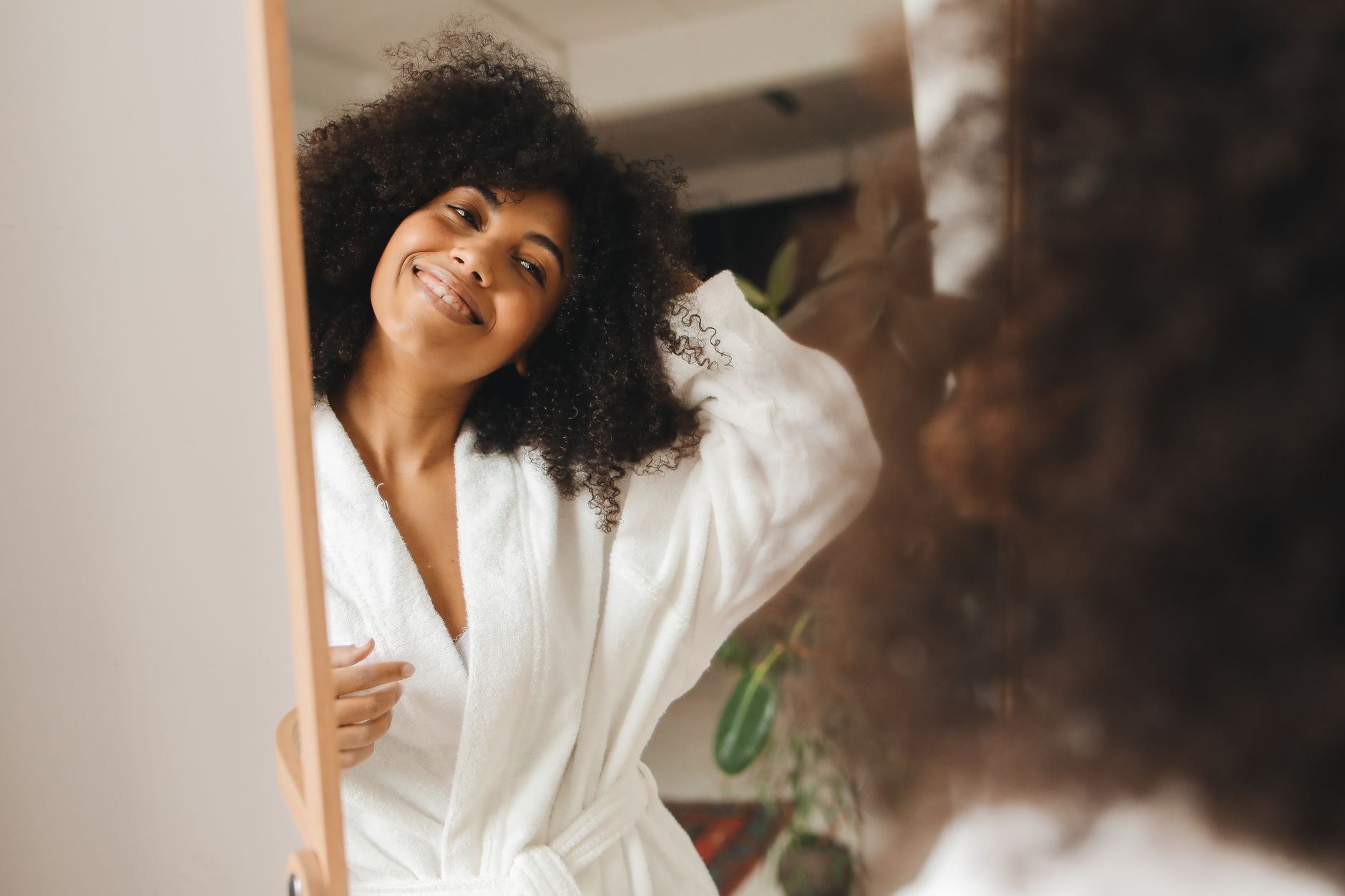
Bonnet wearing has become an essential part of many hair care routines, especially for those with textured or curly hair. A bonnet acts as a protective covering that helps maintain hairstyles, prevent frizz, and keep moisture locked in. This detailed guide will provide you with all the information you need to wear a bonnet comfortably and effectively.
From selecting the right material to proper application techniques, this article aims to facilitate a seamless experience. Whether you’re new to bonnets or looking to refine your technique, we’ve got the step-by-step approach just for you.
How to Wear a Bonnet? (A Simple Step-by-Step Guide)
Wearing a bonnet is straightforward once you understand the process and techniques involved. The basic steps involve choosing the right bonnet, preparing your hair, and securing it correctly. Here’s a detailed breakdown.
Why Wear a Bonnet?
Before diving into the “how-to,” it’s important to understand the benefits of wearing a bonnet:
- Protects Your Hairstyle: A bonnet keeps your hair intact, minimizing movement that can lead to frizz or loss of curls.
- Retains Moisture: By trapping humidity, a bonnet prevents your hair from drying out overnight.
- Reduces Breakage: It serves as a barrier against friction, preventing hair from becoming tangled or damaged while you sleep.
- Maintains Hair Products: It keeps any styling products in place, prolonging their effectiveness and reducing the need for reapplication.
Choosing the Right Bonnet
Not all bonnets are created equal. Here are key factors to consider:
Material
The material of the bonnet plays a crucial role in its effectiveness:
- Satin: This smooth fabric minimizes friction and protects moisture, making it a popular choice.
- Silk: Similar to satin but often more luxurious, silk bonnets are gentle and ideal for curly or textured hair.
- Cotton: While common, cotton can draw moisture away from your hair, which may not be ideal for all hair types.
Size
Ensure that your bonnet has an adequate size:
- Small: Suitable for short hair or tighter hairstyles.
- Medium: Works well for shoulder-length to medium hairstyles.
- Large: Best for long or voluminous hair to comfortably accommodate everything inside.
Fit and Comfort
Check for an adjustable band or elastic that secures the bonnet without being too tight. It should feel snug but not uncomfortable.
Preparing Your Hair
Properly preparing your hair before putting on a bonnet is essential for maximum benefits:
1. Cleanse and Condition
Ensure your hair is clean and conditioned. This is especially important if you have product buildup or dirt. Use your favorite products tailored to your hair type.
2. Moisturize
Apply a suitable leave-in conditioner or hair oil to maintain moisture levels. This step is important for dry or curly hair types.
3. Style Your Hair
Before wearing a bonnet, style your hair in your preferred way. This could include:
- Loosely braiding natural hair to prevent tangling.
- Twisting your hair to maintain curl definition.
- Simplifying the style to a bun or ponytail for sleeping.
Step-by-Step Guide to Wearing a Bonnet
Now that your hair is ready, let’s walk through the steps to effectively wear your bonnet:
- Gather Your Hair: Start by gathering all your hair into your hands. If your hair is long, you can tie it into a loose bun or braid it to keep it neat.
- Prepare the Bonnet: Hold the bonnet in one hand and stretch the opening of the bonnet with the other hand. This will ensure that it’s wide enough to fit over your hair comfortably.
- Position the Bonnet: Place the bonnet on your head, making sure that the elastic band aligns with your hairline. The bonnet should sit snugly over your hair.
- Pull Down: Gently pull the bonnet down over your hair, ensuring that all your hair is contained. You can adjust the position by slightly lifting and repositioning the bonnet as needed.
- Check Fit: Ensure that the bonnet is secure but not too tight. The elastic should hold it in place without causing discomfort. Ensure that it covers all your hair.
- Secure if Necessary: If you find that the bonnet slips off easily, consider using hairpins or a clip to secure it in place. However, ensure it remains comfortable and doesn’t disrupt your hair.
Common Mistakes When Wearing a Bonnet
Here are some common pitfalls to avoid when wearing bonnets:
- Wearing a Tight Bonnet: A bonnet that is too tight can cause tension on the hair and scalp. Choose a size that fits comfortably.
- Neglecting Hair Care: Skipping hair care steps before putting on a bonnet can negate the benefits. Always cleanse, condition, and moisturize.
- Not Cleaning Your Bonnet: Regularly wash your bonnet to prevent dirt and oil buildup, which can affect your hair’s health.
- Ignoring Fit: If your bonnet consistently slips off while sleeping, it may not be the correct size or fit.
How to Care for Your Bonnet
To prolong the life of your bonnet, proper maintenance is essential:
Washing
Most bonnets can be hand-washed or machine-washed according to the label instructions. Use a gentle detergent and avoid fabric softeners that can alter the fabric texture. Air dry to prevent shrinking or damage.
Storage
Store your bonnet in a cool, dry place. Avoid crumpling it into tight spaces that can warp its shape. A designated drawer or a hanging hook can keep it in good condition.
Inspect for Damage
Regularly check your bonnet for any frays or tears. Replace it once it shows signs of wear to maintain effectiveness.
Alternative Hair Care Options
If bonnets aren’t your style or if you’re looking for added protection, consider the following alternatives:
- Scarves: Silk or satin scarves can be tied around your hair, offering similar benefits to bonnets while allowing for various styles.
- Durags: These are traditionally used to protect waves but can also be beneficial for other hair types. They provide compression and protection.
- Hair Wraps: These can come in various materials and styles, often providing fashionable options for hair protection.
Conclusion
A bonnet is a versatile tool in your hair care arsenal, especially for those with textured or curly hair. By following the steps mentioned in this guide, you can effectively incorporate wearing a bonnet into your routine. Remember to choose the right material, properly prepare your hair, and maintain your bonnet for optimal benefits.
To further enhance your beauty regimen, consider exploring our guides on how to tie a durag and how to use a banana clip for various styling options. Keeping all your hair care essentials in check will ensure you confidently embrace your style.