
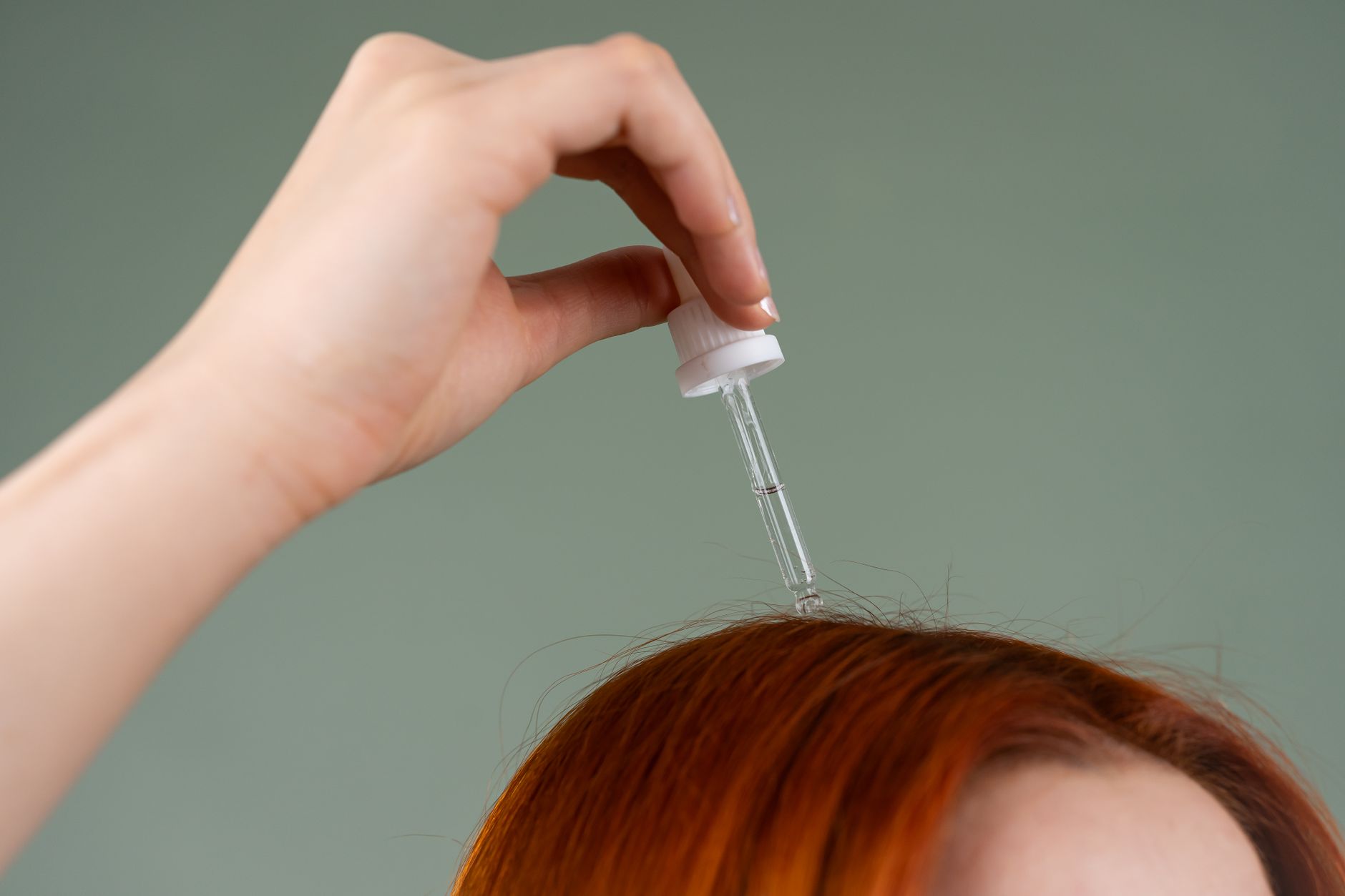
Hair loss is a common concern that many individuals across various ages and demographics face. Whether it’s due to hormonal changes, stress, environmental factors, or genetics, the quest for fuller, healthier hair has led to an increased interest in methods of hair regrowth. In this article, we will explore various approaches to regrowing hair, including effective techniques, potential risks, and practical tips to achieve your hair goals.
Before embarking on any hair regrowth journey, it’s essential to understand the underlying causes of hair loss and to set realistic expectations. While some methods may show quicker results, others may take time and consistent effort. With that in mind, let’s dive into how to regrow hair effectively.
How to Regrow Hair?
Regrowing hair involves several strategies that can vary in effectiveness based on individual circumstances. Popular methods include topical treatments, lifestyle changes, dietary adjustments, and natural remedies. Understanding these methods can help you determine which ones may work best for your needs.
Understanding Hair Loss and Its Causes
Before selecting a method for hair regrowth, it’s crucial to identify the cause(s) of your hair loss. Common factors include:
- Genetics: Hereditary conditions, such as male or female pattern baldness, can significantly influence hair loss.
- Hormonal Changes: Hormonal fluctuations from pregnancy, menopause, or thyroid issues can affect hair health.
- Stress: Physical or emotional stress can lead to temporary hair loss known as telogen effluvium.
- Poor Diet: Nutritional deficiencies, particularly in vitamins and minerals that support hair health, can be detrimental.
- Medical Conditions: Conditions like alopecia areata or scalp infections can result in hair thinning or loss.
Recognizing these causes will help guide your approach to regrowing hair effectively.
Topical Treatments for Hair Regrowth
Topical treatments are among the most popular methods used to stimulate hair growth. These products directly target hair follicles and can range from over-the-counter treatments to prescription options.
Minoxidil
Minoxidil, often sold under brand names like Rogaine, is an FDA-approved topical solution that can help stimulate hair growth. It is typically available in liquid or foam formulations.
- Application: Minoxidil should be applied twice daily to the scalp in the areas experiencing hair loss.
- Results: Many users report improved hair growth within 4 to 6 months.
- Considerations: It’s essential to continue using the product to maintain results, as discontinuation can lead to further hair loss.
Finasteride
Finasteride is another FDA-approved treatment but is available only by prescription. It’s commonly prescribed for men with male pattern baldness.
- How It Works: It blocks the formation of dihydrotestosterone (DHT), a hormone linked to hair loss.
- Results: Users often see improvements within 3 to 6 months.
- Side Effects: Potential side effects can include decreased libido and other hormonal changes, making it important to consult with a healthcare provider.
Natural Remedies for Hair Regrowth
For those looking for gentler, more natural options, several remedies can be considered. While evidence regarding their effectiveness might be anecdotal, many individuals report positive outcomes.
Essential Oils
Various essential oils are believed to promote hair growth. Popular options include:
- Rosemary Oil: Research suggests it may improve circulation when massaged into the scalp.
- Lavender Oil: Known for its calming properties, it may also stimulate hair growth.
- Peppermint Oil: Often associated with increased hair thickness and growth.
To use essential oils:
- Mix a few drops of essential oil with a carrier oil like coconut or jojoba oil.
- Massage the mixture into the scalp for a few minutes.
- Leave it on for at least half an hour before washing it out.
Herbal Treatments
Herbal treatments have been utilized in various cultures for centuries. Some well-known herbs include:
- Ginseng: Believed to stimulate hair follicles.
- Aloe Vera: Often said to soothe the scalp and condition hair.
- Green Tea: Contains antioxidants that may support hair health.
Lifestyle Changes for Healthy Hair
In addition to topical treatments and natural remedies, implementing lifestyle changes can significantly affect hair health.
Dietary Adjustments
Nutritional deficiencies can contribute to hair loss. Eating a balanced diet rich in vitamins and minerals can promote hair growth. Key nutrients include:
- Biotin: Found in eggs, nuts, and whole grains.
- Vitamin D: Sourced from sunlight, fortified foods, and certain fish.
- Iron: Present in red meat, leafy greens, and legumes.
- Zinc: Available in pumpkin seeds, nuts, and dairy products.
Stress Management
Since stress can contribute to hair loss, finding effective ways to manage stress is crucial. Consider incorporating practices such as:
- Meditation
- Yoga
- Deep-breathing exercises
- Regular physical activity
Scalp Care and Hygiene
Maintaining a healthy scalp is vital for hair growth. Here are some essential scalp care tips:
- Regular Cleansing: Keep the scalp clean to avoid build-up that may impede hair growth.
- Gentle Brushing: Use a soft-bristle brush to reduce breakage while distributing natural oils.
- Avoiding Tight Hairstyles: Representative styles may place undue stress on hair follicles, leading to traction alopecia.
Alternative Treatments and Services
If at-home remedies and lifestyle changes aren’t providing satisfactory results, you may consider professional treatments. Some options include:
Hair Transplant Surgery
This surgical procedure involves relocating hair follicles from a donor site on the scalp to balding areas. It can be effective, but it’s usually a more invasive and costly option.
Platelet-Rich Plasma (PRP) Therapy
PRP therapy involves drawing a small amount of your blood, processing it to concentrate the platelets, and then injecting it into the scalp to stimulate hair growth.
Laser Therapy
Low-level laser therapy (LLLT) is a non-invasive treatment that may improve hair growth by stimulating circulation in the scalp.
Risks and Considerations
While many of the methods discussed have the potential to aid in hair regrowth, there are risks and considerations to keep in mind:
- Side Effects: All medications and treatments can have side effects. It’s crucial to consult with a healthcare professional before starting any new treatment.
- Variable Results: Results can vary significantly from person to person; what works for one individual may not work for another.
- Commitment Required: Many effective treatments require ongoing commitment and may stop being effective if discontinued.
Realistic Tips for Hair Regrowth
As you consider your hair regrowth journey, keep these realistic tips in mind:
- Be Patient: Hair growth is a slow process, and results may take several months to become noticeable.
- Consult a Professional: A dermatologist or trichologist can provide guidance tailored to your specific situation.
- Track Progress: Document changes in hair density or other improvements to help maintain motivation.
- Consider Compatibility: Ensure that any new treatment or product is compatible with your hair type and existing routine.
Conclusion
Regrowing hair is a multifaceted process that requires a combination of methods tailored to individual needs. Consider topical treatments, natural remedies, lifestyle changes, and professional services as potential avenues. Remember, it’s essential to set realistic expectations and maintain a consistent routine for optimal results.
As you embark on your hair regrowth journey, exploring additional resources can provide further insights. Check out our guides on rosemary oil for hair growth and how to grow your hair faster for more tips and techniques that can complement your regimen.