
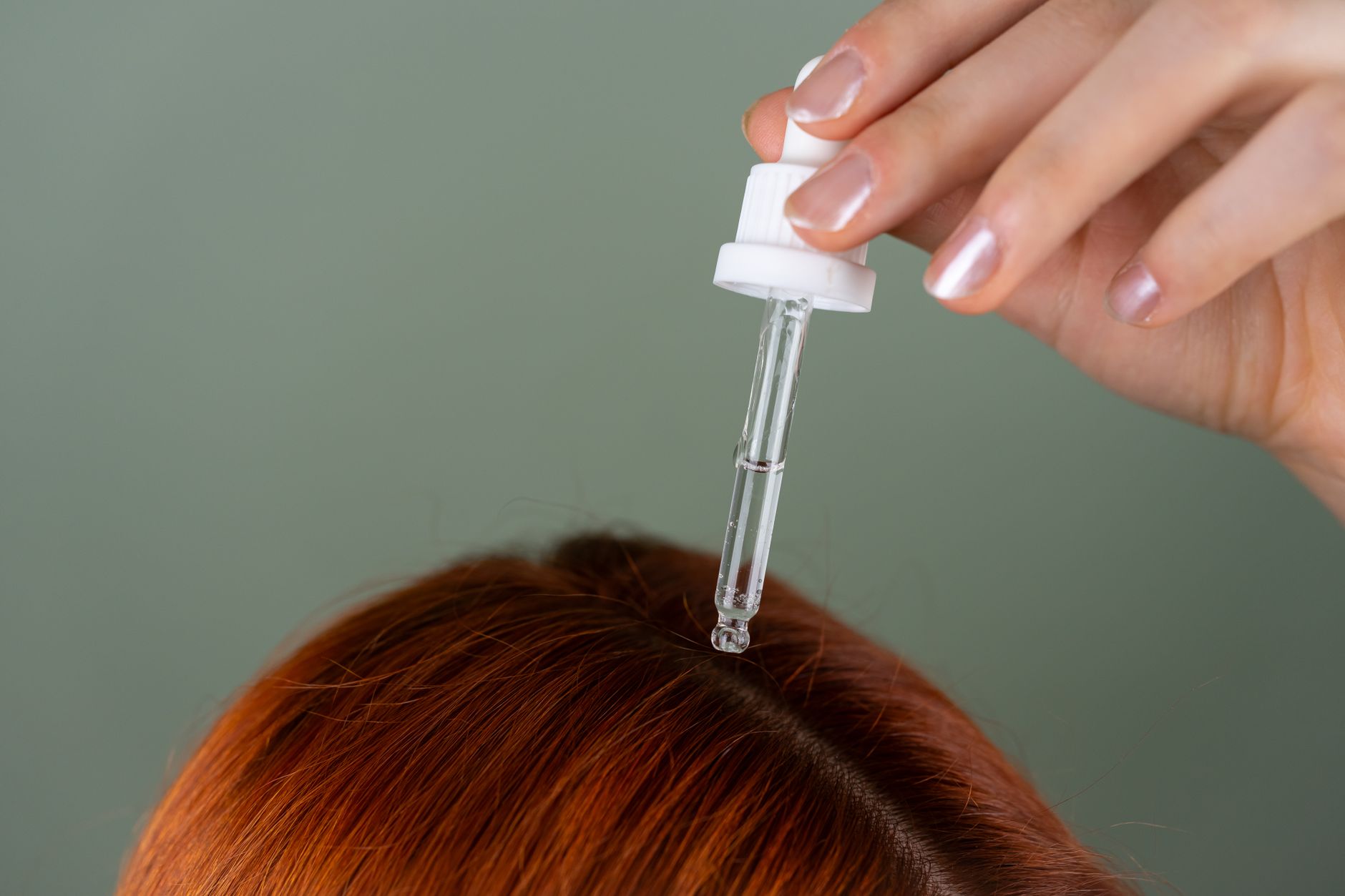
Biotin has gained popularity as a go-to supplement for promoting hair growth, with many claiming it can strengthen hair and improve thickness. As a crucial B vitamin, biotin is essential for various metabolic functions in the body, but does it truly help with hair growth? This article will explore the research behind biotin, its benefits for hair, potential side effects, and its role in a comprehensive haircare routine.
Understanding biotin’s influence on hair health can help individuals make informed decisions regarding their beauty regimens. This guide will unpack how biotin works, who might benefit from it, and how to incorporate it into your daily routine.
Does Biotin Help Hair Growth?
Yes, biotin may help promote hair growth, especially in individuals who are deficient in this vitamin. Studies indicate that biotin supplementation can lead to improvements in hair health, resulting in stronger, thicker strands. However, the effectiveness may vary based on individual circumstances, particularly if there is an existing deficiency.
What is Biotin?
Biotin, also known as vitamin B7 or vitamin H, is a water-soluble B vitamin that plays a vital role in the body’s metabolism, specifically in converting food into energy. It is essential for the health of the skin, nails, and hair. Biotin is naturally found in many foods, including eggs, fish, nuts, seeds, and certain vegetables. While it can be absorbed through diet, supplementation is often considered for enhanced benefits.
How Does Biotin Help Hair Growth?
Biotin contributes to hair growth by performing several key functions:
- Improves Keratin Infrastructure: Biotin aids in the production of keratin, a key protein that makes up hair, skin, and nails. Enhanced keratin production can lead to thicker, healthier hair.
- Enhances Follicle Health: Healthy hair follicles are crucial for hair growth; biotin may nourish these follicles, promoting a better environment for hair growth.
- Boosts Nutrient Metabolism: By supporting the metabolism of other nutrients, biotin ensures that hair follicles receive essential vitamins and minerals needed for optimal hair health.
Research on Biotin and Hair Growth
Several studies have investigated the relationship between biotin and hair health. One notable study published in the Journal of Cosmetic Dermatology reported that women experiencing hair thinning showed significant improvements in hair volume and thickness after biotin supplementation over a period of 90 days. Participants noted reduced hair loss and improved overall hair quality.
Another research piece showed positive results when biotin was combined with other nutrients like zinc and amino acids. This suggests that while biotin can be beneficial, it might work more effectively when paired with other vitamins and minerals that support hair health.
Who Can Benefit from Biotin?
Biotin can be especially beneficial in the following scenarios:
- Individuals with a Deficiency: Those with biotin deficiency, though rare, may experience hair loss, brittle hair, and skin issues. Supplementation can significantly enhance hair health in these cases.
- Pregnant or Nursing Women: Biotin requirements increase during pregnancy and breastfeeding. Women in these stages may benefit from biotin to combat typical hair loss.
- People with Hair Thinning Conditions: Individuals with conditions like alopecia or other forms of hair loss may find biotin supplementation helps improve their hair condition.
How to Incorporate Biotin into Your Routine
Incorporating biotin into your regimen can be done through dietary changes and supplements. Here’s how:
Dietary Sources of Biotin
Enhancing your diet with biotin-rich foods can naturally boost your intake. Here are some food sources:
- Eggs (especially the yolk)
- Nuts (almonds, walnuts, peanuts)
- Seeds (sunflower seeds, flaxseeds)
- Fish (salmon, sardines)
- Dairy products (milk, cheese, yogurt)
- Sweet potatoes
- Whole grains (barley, oats)
Biotin Supplements
If dietary intake is insufficient, biotin supplements are widely available. They come in various forms, including:
- Tablets and capsules
- Chewable gummies
- Powders to mix into drinks
When choosing a supplement, look for reputable brands that provide clear information about the amount of biotin per serving, and always follow the recommended dosage on the label.
Common Side Effects of Biotin
Biotin is generally considered safe for most people when taken in adequate amounts. However, overconsumption of biotin supplements can lead to some side effects:
- Upset Stomach: Excessive biotin may cause gastrointestinal discomfort in some individuals.
- Skin Reactions: Allergic reactions, although rare, can occur and may include rashes, itching, or swelling.
- False Lab Results: High doses of biotin may interfere with certain laboratory tests, leading to incorrect results. Always inform healthcare providers if you are taking biotin supplements.
Building a Hair Growth Routine
To maximize the benefits of biotin for hair growth, consider integrating it into a comprehensive haircare routine that focuses on overall hair health. Here’s a simple guide:
Daily Routine
- Cleansing: Use a gentle, sulfate-free shampoo tailored to your hair type to cleanse your scalp and hair.
- Conditioning: Follow with a nourishing conditioner to protect and hydrate hair. Look for products that contain biotin or other hair-healthy ingredients.
- Nourishment: Take your biotin supplement according to the recommended dosage. Pair it with a balanced diet rich in vitamins and minerals.
Weekly Care
- Scalp Exfoliation: Use a gentle scalp scrub or a clarifying shampoo once a week to remove product buildup and stimulate hair follicles.
- Deep Conditioning: Incorporate a deep conditioning mask or treatment weekly to provide extra moisture and nutrients to your hair.
- Limit Heat Usage: Reduce the use of heat styling tools, which can damage hair. If used, apply a heat protectant beforehand.
Other Supplements for Hair Growth
While biotin is a popular choice, other supplements can support hair health:
- Vitamin D: May help create new hair follicles, encouraging hair growth.
- Zinc: Critical for maintaining healthy hair; a deficiency can lead to hair loss.
- Omega-3 Fatty Acids: Essential fats that may promote scalp health and reduce inflammation.
Common Misconceptions about Biotin
Despite the hype surrounding biotin, several misconceptions exist:
- Miracle Cure: While biotin can enhance hair growth for some, it is not a guaranteed solution for everyone, especially for those without a deficiency.
- Only for Hair: Biotin benefits overall skin and nail health as well, offering a holistic approach to beauty.
- Only for Women: Hair thinning affects all genders, and biotin can aid anyone experiencing hair loss.
Monitoring Your Progress
As you incorporate biotin into your beauty routine, monitoring changes in your hair can help you assess effectiveness. It may take several weeks or even months to notice significant changes, so patience is key. Here are tips to track your progress:
- Take before-and-after photos to document changes over time.
- Keep a journal of your hair health, noting any changes in texture, thickness, and growth.
- Consult a healthcare provider if you are concerned about hair loss or if you have questions regarding your biotin intake.
Conclusion
Biotin can be a valuable addition to your hair care regimen, especially for individuals with deficiencies. While it may support hair growth and overall hair health, results can vary. Always combine biotin supplementation with a balanced diet and a healthy hair care routine for optimal results. If you’re experiencing significant hair loss or changes, consider consulting a healthcare professional to explore potential underlying issues.
For more information on biotin and its benefits, explore related topics like what biotin is good for and how to regrow hair.