
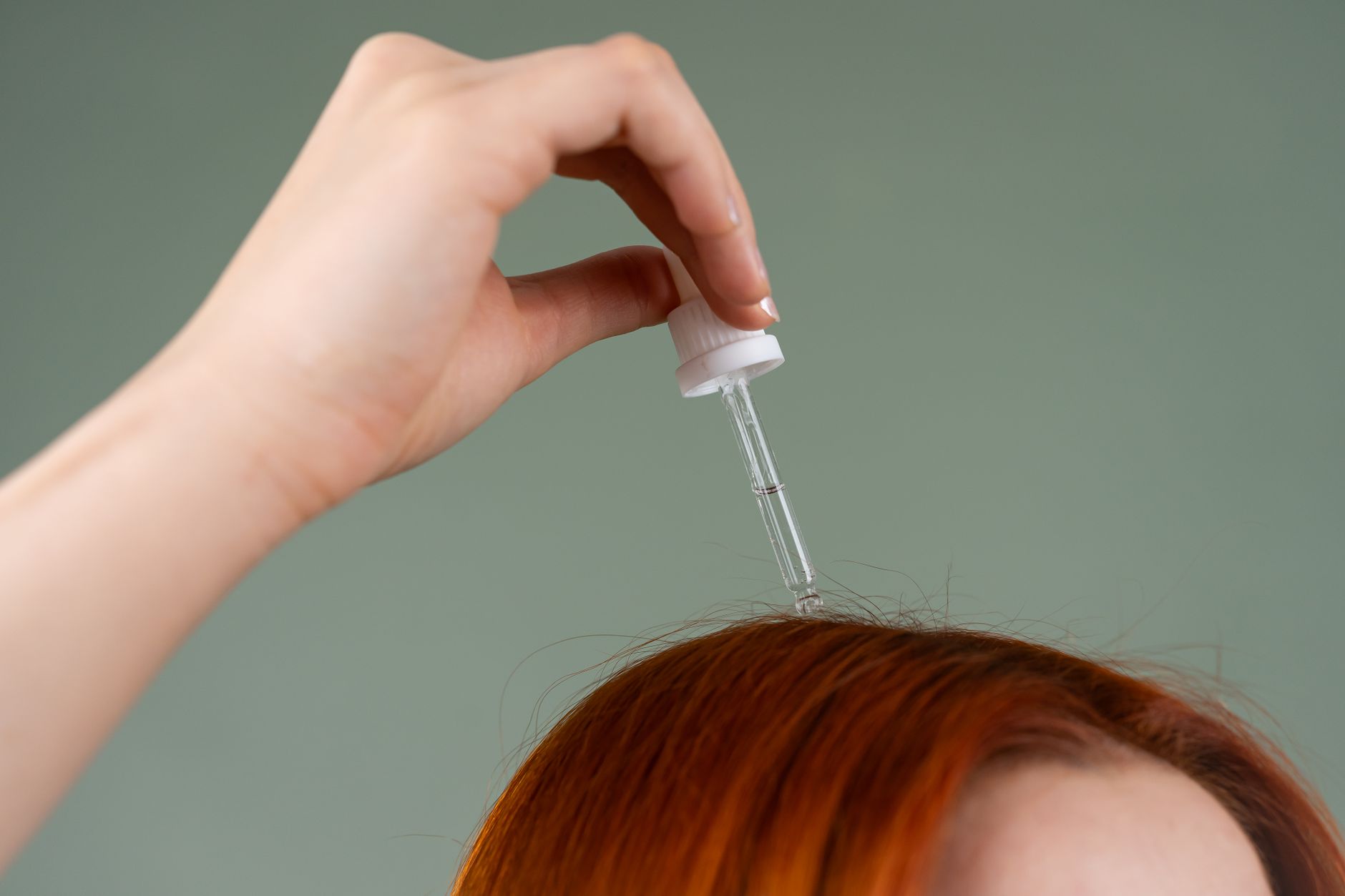
Biotin, also known as vitamin H or B7, has become a buzzword in the beauty world, often heralded for its supposed ability to enhance beauty from the inside out. While it’s widely recognized for its beneficial effects on hair, skin, and nails, many individuals remain curious about the specifics. Understanding what biotin is good for can help you determine whether it’s a valuable addition to your beauty regimen.
This article will delve into the benefits of biotin, how it functions in the body, viable sources, recommended dosages, and practical ways to incorporate it into your beauty routine. By the end, you’ll have a clearer understanding of whether biotin is right for you and how to maximize its potential benefits.
What Is Biotin Good For?
Biotin is chiefly known for its role in promoting healthy hair, skin, and nails. It is a water-soluble vitamin that supports the body’s metabolic functions and is crucial for the synthesis of fatty acids and glucose. Additionally, biotin helps strengthen keratin, the protein that makes up the structure of hair and nails, enhancing their overall appearance and resilience.
The Benefits of Biotin for Hair
When it comes to hair, biotin is celebrated for several reasons. Here are the key benefits:
- Promotes Hair Growth: Biotin is thought to stimulate hair follicles, promoting faster hair growth. While scientific research on its effectiveness is mixed, many anecdotal reports support this claim.
- Thickens Hair: Regular biotin supplementation may help increase the thickness of hair strands, making them look fuller and more vibrant.
- Strengthens Hair: By enhancing keratin infrastructure, biotin can contribute to stronger hair, reducing breakage and split ends.
- Supports Scalp Health: Biotin can aid in maintaining a healthy scalp, potentially reducing issues like dryness and flakiness.
How to Incorporate Biotin for Hair Health
- Dietary Sources: Include biotin-rich foods like eggs, nuts, seeds, and whole grains in your diet.
- Supplements: If dietary sources are insufficient, consider biotin supplements after consulting a healthcare provider.
- Topical Products: Look for shampoos and conditioners infused with biotin to enhance its benefits directly on the hair.
The Benefits of Biotin for Skin
Biotin’s role in skin health is equally significant. Its benefits include:
- Improves Skin Hydration: Biotin helps the skin maintain its moisture balance, making it look more supple and hydrated.
- Reduces Inflammation: As a part of metabolic processes, biotin may contribute to fewer inflammatory skin issues, supporting an overall clearer complexion.
- Enhances Skin Barrier: Biotin supports skin cell production, contributing to a strong skin barrier that protects against environmental stressors.
How to Incorporate Biotin for Skin Health
- Eat a Balanced Diet: Focus on biotin-rich foods and overall nutrition to support skin health from within.
- Use Moisturizers: Incorporate moisturizers that contain biotin or other B vitamins for direct skin benefits.
- Stay Hydrated: Drink plenty of water to support skin hydration in conjunction with biotin.
The Benefits of Biotin for Nails
Biotin is also known for strengthening nails and promoting healthy growth. Here’s how it can benefit your nails:
- Strengthens Nails: Biotin supplementation is linked to stronger nails that are less prone to splitting and breaking.
- Encourages Growth: Regular intake of biotin may lead to faster nail growth, providing a boost for those struggling with brittle nails.
- Improves Nail Texture: Biotin helps to improve nail appearance, making them appear shinier and healthier.
How to Incorporate Biotin for Nail Health
- Dietary Adjustments: Include legumes, almonds, and sweet potatoes in your diet for natural biotin support.
- Supplementation: Consider biotin supplements for extra support, particularly if you notice brittleness.
- Nail Treatments: Look for topical nail strengtheners that contain biotin or keratin to enhance nail integrity.
Sources of Biotin
Biotin can be acquired through various sources, both dietary and supplemental. Here are some common options:
Food Sources
- Eggs: Particularly the yolk, rich in biotin.
- Nuts and Seeds: Almonds, sunflower seeds, and walnuts are excellent sources.
- Legumes: Lentils and peas provide a good amount of biotin.
- Whole Grains: Oats and barley contain significant biotin levels.
- Dairy Products: Milk and cheese can also contribute to your biotin intake.
Supplemental Sources
If you find it challenging to meet your biotin needs through diet alone, supplements are an option. They come in various forms, including:
- Pills and Tablets: Standard biotin supplements available in various dosages.
- Gummies: A tasty method to consume biotin for those who prefer this format.
- Powders: Biotin powder can be mixed into smoothies or foods for ease of consumption.
Recommended Dosage of Biotin
While biotin is generally considered safe, it’s essential to know the recommended dosages:
- General Recommendations: The average adult requires about 30 micrograms per day, which can typically be met through a balanced diet.
- Supplements: Common supplement dosages range from 1,000 to 10,000 micrograms, but it’s crucial to consult a healthcare provider before beginning any supplementation regimen.
Common Mistakes with Biotin Use
When considering biotin, avoid these common pitfalls:
- Over-Reliance on Supplements: Remember that dietary sources should form the foundation of your intake.
- Ignoring Other Nutrients: Biotin works best in conjunction with other vitamins and minerals; ensure your diet is well-rounded.
- Expecting Instant Results: While biotin can support hair, skin, and nails, results may take time. Adjustments to appearance won’t happen overnight.
Potential Side Effects and Precautions
Biotin is generally safe for general use; however, some considerations include:
- Allergies: Individuals with allergies, especially to eggs or nuts, should be cautious when consuming these biotin-rich foods.
- Drug Interactions: High doses of biotin may interfere with certain laboratory tests, leading to misleading results. Inform your healthcare provider if you’re taking biotin before any tests.
- Medical Conditions: If you have any medical conditions or are pregnant, always consult with a healthcare professional before starting any supplements.
Realistic Expectations with Biotin
While biotin has benefits, it’s essential to set realistic expectations:
- Individual Results Vary: Not everyone will notice significant changes; results can depend on existing nutrient levels and other factors.
- Complementary Approach: Using biotin in tandem with a well-rounded skincare and haircare routine can maximize its benefits.
- Patience is Key: Changes in hair, skin, and nails take time, so allow several months to assess the effects.
Building a Biotin-Focused Beauty Routine
Incorporating biotin into your beauty routine can be done effectively by following these practical steps:
- Assess Your Diet: Review your current diet for biotin-rich foods and consider how to enhance it.
- Choose Your Method: Decide whether you’ll focus on food sources, supplements, or topical products, based on your preferences.
- Add Gradually: If trying supplements, start at the lower end of the dosage range and gradually increase as needed.
- Monitor Your Progress: Keep track of any changes in hair, skin, and nails over a few months to gauge effectiveness.
- Adjust as Necessary: Based on your observations, make any necessary adjustments to your biotin intake and overall routine.
In conclusion, biotin presents numerous potential benefits for hair, skin, and nails. By understanding how biotin functions, sourcing it through a balanced diet or supplements, and integrating it thoughtfully into your beauty routine, you can make informed decisions that enhance your beauty goals. Remember to pair biotin support with a holistic approach to beauty for the most impactful results.
For further exploration, check out our guides on how rosemary oil can stimulate hair growth and ways to grow your hair faster. Your beauty journey awaits!