
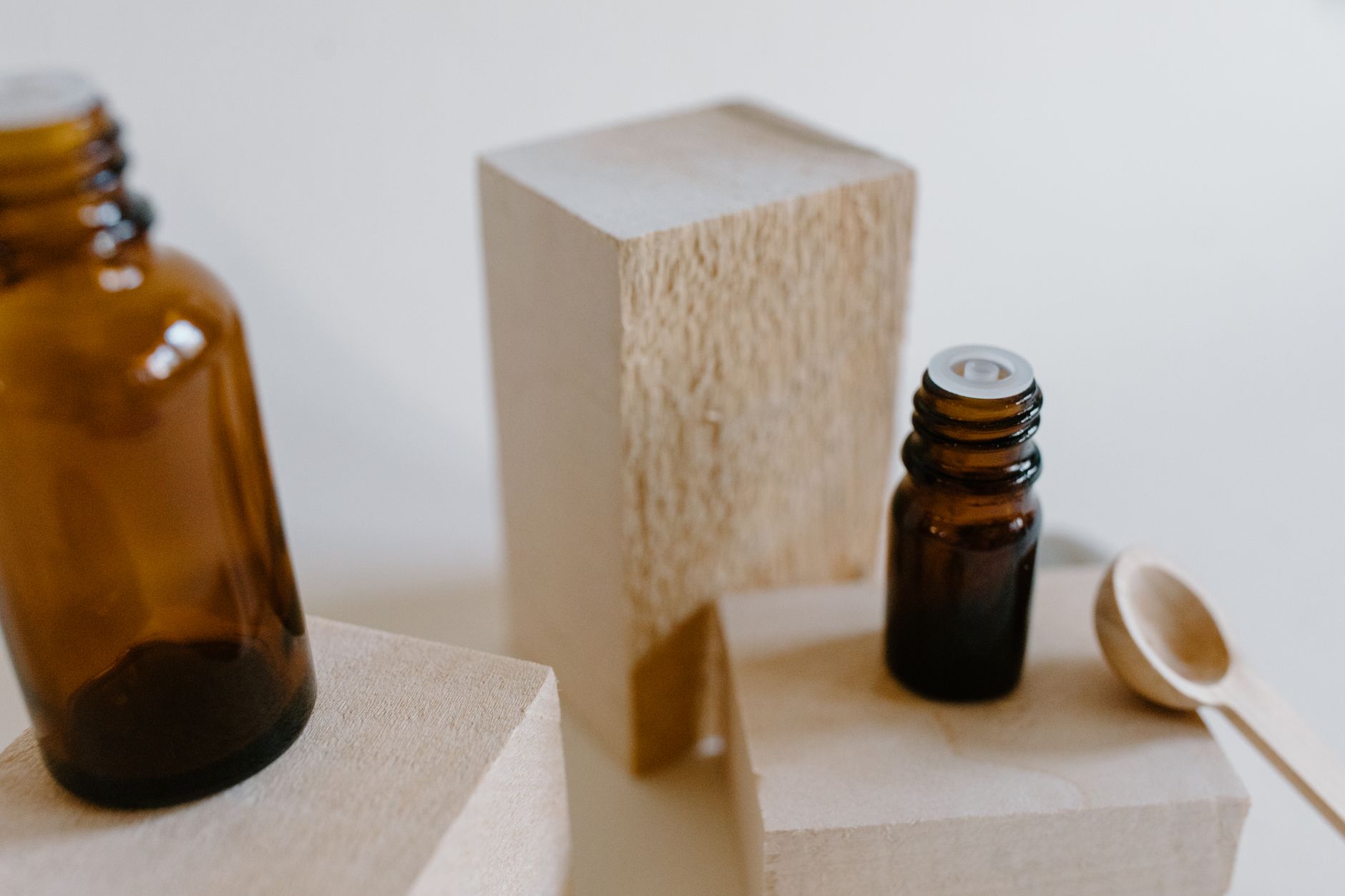
Patchouli, often regarded as a polarizing fragrance, evokes strong feelings in many scent enthusiasts. Derived from the leaves of the Pogostemon cablin plant, patchouli has deep roots in various cultures and has become a quintessential note in the world of perfumery. Understanding what patchouli smells like can help you appreciate its versatility in beauty and fragrance products.
This article explores the scent profile of patchouli, its historical significance, and how it fits into the realm of perfumes and beauty products. Learn how to incorporate this unique fragrance into your grooming routine and discover the products that pair well with patchouli.
What Does Patchouli Smell Like?
Patchouli has a rich, earthy aroma characterized by its sweet and musky notes, often described as woody and herbal. The scent can be intense, with a warm and slightly spicy undertone that adds complexity. Many people notice a lingering sweetness akin to chocolate or a damp forest floor. This multifaceted profile can evoke feelings of warmth, nostalgia, and tranquility.
Because of its bold and unique characteristics, patchouli often serves as a base note in fragrances, blending well with various other scents such as citrus, floral, and woods. Whether you adore it or find it overwhelming, there’s no denying patchouli’s significant presence in the fragrance world.
The History of Patchouli in Fragrance
Patchouli has a storied history that dates back centuries. Native to Southeast Asia, it has been used in traditional medicine, perfumery, and as an insect repellent. The plant gained popularity in the 19th century when it was brought to Europe, quickly becoming associated with the bohemian culture and counterculture movements of the 1960s and 1970s.
Its association with the hippie movement contributed to its earthy, natural appeal. The scent was often used in incense and perfumes to promote spirituality and relaxation, reinforcing its therapeutic potential in aromatherapy. As a result, patchouli remains a staple in many niche and designer fragrances today.
Pillars of Patchouli’s Scent Profile
The scent of patchouli can be broken down into several notes, offering insight into its rich composition:
- Earthy: The foundational aroma of patchouli is deeply rooted in earthy undertones that can make you feel connected to nature.
- Woody: With hints of woodiness, patchouli evokes a forest-like vibe, making it grounding.
- Sweet: The lingering sweetness can resemble chocolate or dried fruit, balancing its stronger notes.
- Herbaceous: The herbal aspect adds a freshness that elevates the overall aroma.
- Spicy: Some nuances of warmth and spice round out the scent of patchouli.
Patchouli in Perfumes: Scent Families and Compositions
Patchouli is primarily considered a base note in perfumery, meaning it anchors the fragrance and adds depth. It often appears in several scent families:
- Oriental: This family embraces rich, warm notes and often combines patchouli with spices and resins, creating a luxurious and sensual fragrance.
- Woody: Pairing patchouli with other woody notes like cedar or sandalwood can enhance its earthiness, resulting in a warm, grounded scent profile.
- Floral: Combining patchouli with floral notes can create a beautiful balance, allowing the lighter floral scents to be anchored by the depth of patchouli.
- Citrus: For an uplifting twist, citrus notes like bergamot or orange can brighten the heaviness of patchouli, making it suitable for everyday wear.
How to Use Patchouli in Your Beauty Routine
Embracing patchouli in your beauty routine can elevate your fragrance experience. Here are practical ways to incorporate it:
1. Choose a Fragrance
Selecting a fragrance that features patchouli can immediately introduce the scent to your routine. Here’s what to look for:
- Niche Fragrances: These brands often emphasize unique scent combinations and may feature patchouli more prominently.
- Designer Perfumes: Many well-known designer fragrances incorporate patchouli either as a base or middle note.
- Essential Oils: Pure patchouli essential oil can be used in aromatherapy, as a body oil, or in DIY perfumes.
2. Layering Scents
Patchouli can be layered with complementary scents to create a more personalized fragrance experience. Here are some recommendations for layering:
- Florals: Notes like jasmine or rose can enhance patchouli’s earthy scent, bringing a softer touch.
- Citrus: Bright and fresh citrus notes can break through the intensity of patchouli for a balanced fragrance.
- Warm Spices: Notes like cinnamon or clove can augment patchouli’s natural warmth.
3. Incorporate in Body Care Products
Beyond traditional fragrance applications, patchouli can also be found in various body care products:
- Lotions and Creams: Look for body lotions that include patchouli as a key ingredient for a lingering scent.
- Shower Gels: Using a patchouli-infused shower gel can enhance your bathing experience while leaving a subtle scent on your skin.
- Massage Oils: Patchouli essential oil blends well with carrier oils, making it excellent for massage and relaxation.
4. Home Fragrance
Patchouli can also enhance the ambiance of your living space:
- Scented Candles: Opt for candles featuring patchouli to create an inviting atmosphere.
- Essential Oil Diffusers: Use patchouli essential oil in an essential oil diffuser for a calming, earthy scent throughout your home.
- Incense: Burning patchouli incense can provide a vintage or bohemian flair to your environment.
Patchouli and Its Ideal Matches
Understanding which scents complement patchouli can help you create harmonious combinations in your fragrances.
Citrus Scents
Citrus notes like lime, grapefruit, and bergamot can brighten the heavier aspects of patchouli. The freshness of citrus balances the earthy undertones, making it versatile for both day and evening wear.
Floral Notes
Pairing patchouli with floral fragrances can create a beautiful and well-rounded scent. Rose, jasmine, and lilac can add a softer, feminine aspect, perfect for romantic occasions.
Woodsy Elements
Other wooden scents like sandalwood and cedar provide a seamless pairing. The additional depth from wood enhances the tropical and earthy characteristics of patchouli.
Spices
Spices like cardamom, ginger, and clove enrich patchouli’s warmth, creating a complex fragrance profile that feels inviting and exotic.
Common Questions About Patchouli
Is Patchouli Suitable for Everyone?
Patchouli can polarize people, with some loving its depth and others finding it overpowering. Ultimately, fragrance is subjective. It’s essential to test patchouli fragrances personally to determine your comfort level.
How Long Does Patchouli Last on the Skin?
As a base note, patchouli tends to have good longevity, often lasting several hours to a full day, depending on individual skin chemistry and application. Layering patchouli with other scents can also enhance its staying power.
Can Patchouli Cause Allergies or Skin Reactions?
While patchouli is generally safe for most individuals, some may experience allergic reactions or irritation. Always conduct a patch test, especially if using essential oils. Discontinue use if irritation occurs.
What Are Alternatives to Patchouli?
If patchouli isn’t to your liking, consider exploring other earthy scents like oakmoss, vetiver, or sandalwood. These notes often provide a similar depth without the intensity of patchouli.
Tips for Selecting Patchouli-Infused Products
When exploring patchouli-infused products, consider these tips:
- Check Ingredients: Ensure that patchouli is listed among the top notes in fragrances or at least as a key ingredient in body products.
- Test Before You Buy: Always sample fragrances before committing; roll-on perfume oils or testers can be helpful.
- Read Reviews: Research insights from others who have tried the products to gauge satisfaction and longevity.
How to Create Your Own Patchouli Blend
If you want to experiment further with patchouli, consider creating your own blend. Here’s how to do it:
- Choose Your Base: Start with patchouli essential oil as your primary note.
- Select Complementary Oils: Add two or three other essential oils that you feel work well with patchouli (for example: lavender, bergamot, or cedarwood).
- Mix Your Blend: In a small rollerball bottle, mix around 10-15 drops of each oil.
- Add a Carrier Oil: Fill the remaining space in the bottle with a carrier oil like jojoba or sweet almond oil.
- Allow to Sit: Let your mixture rest for a few days to allow the scents to fully blend.
- Test the Blend: Apply a small amount to your wrist to see how it interacts with your skin chemistry.
Exploring Patchouli in Different Cultures
Patchouli is recognized across various cultures for its distinct aroma and significant roles:
- Aromatherapy: In Indian culture, patchouli is used in Ayurvedic practices for its calming and grounding attributes.
- Traditional Medicine: Southeast Asia has historically used patchouli for digestive and skin ailments.
- Spiritual Practices: Patchouli is often included in rituals and spirituality, symbolizing stability and grounding.
Conclusion
Understanding what patchouli smells like not only enriches your fragrance knowledge but also allows you to explore various beauty products effectively. From perfumes to home fragrances, its earthy and rich scent can add unique depth to your routine. Experiment with patchouli in various formulations or blend your own to find the perfect match for your signature scent.
Discover more beauty guides to enhance your fragrance knowledge and explore your favorite products by checking out What is Oud and learning How to Make Perfume.