
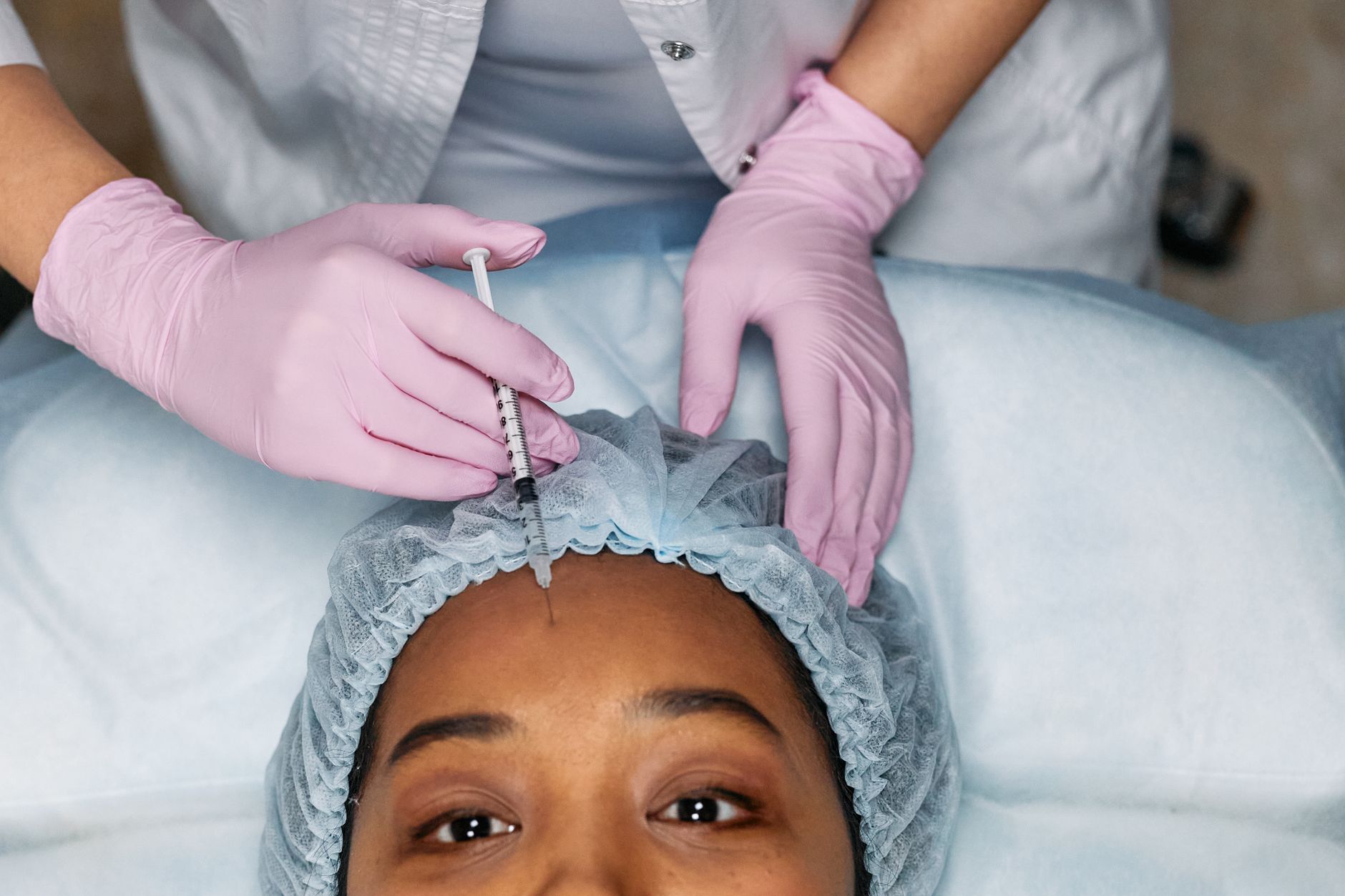
Botox has become a popular term in the beauty and wellness industry, synonymous with wrinkle reduction and revitalized appearances. Understanding what Botox is made of helps unveil not only its cosmetic benefits but also its safety, uses, and potential side effects.
In this article, we’ll explore the ingredients that make up Botox, its uses in the cosmetics field, and essential safety facts you should consider if you are thinking about this treatment.
What Is Botox Made of?
Botox is made from botulinum toxin, a neurotoxic protein produced by the bacterium Clostridium botulinum. While it may sound alarming, when used in controlled doses, it has multiple beneficial therapeutic effects.
Botox contains several components:
- Botulinum Toxin Type A: The primary active ingredient responsible for its muscle-paralyzing effects.
- Proteins: These are added to stabilize the formulation and ensure it remains effective during storage and application.
- Saline Solution: This diluent is used to prepare the injection and helps with the ease of injection.
The Mechanism of Action
Understanding how Botox works is important to appreciate its uses. When injected into specific muscles, botulinum toxin temporarily blocks nerve signals that instruct muscles to contract. This leads to a reduction in facial movements that cause wrinkles, particularly in areas like the forehead, crow’s feet, and frown lines.
Common Uses of Botox
Botox is primarily known for its cosmetic applications, but its uses extend beyond aesthetics. Here are some of the most common purposes for Botox injections:
Cosmetic Uses
- Wrinkle Reduction: Most commonly used to minimize facial wrinkles by relaxing the muscle activity that creates lines.
- Eyebrow Lift: Botox can elevate the eyebrows, creating a more awake and youthful appearance.
- Crow’s Feet Treatment: Reduces the appearance of fine lines around the eyes.
- Forehead Lines: Smooths out horizontal forehead lines.
- Frown Lines: Decreases the vertical lines between the eyebrows for a softer look.
Medical Uses
- Chronic Migraines: Botox can help prevent migraines in individuals who experience chronic headaches.
- Excessive Sweating: Known as hyperhidrosis, Botox blocks signals that cause sweating, providing relief for those affected.
- Muscle Spasticity: Used to treat conditions that cause muscle stiffness and spasms.
- Overactive Bladder: Botox can help reduce symptoms associated with an overactive bladder.
Safety Facts and Considerations
Although Botox has been deemed a safe procedure for most individuals when administered by qualified professionals, it’s critical to understand its potential risks and side effects. Always consult with a licensed medical provider for personalized advice.
Potential Side Effects
While adverse effects are generally rare, some individuals may experience:
- Mild swelling or bruising at the injection site.
- Headaches or flu-like symptoms.
- Asymmetrical facial expressions.
- Eye irritation or drooping (ptosis).
Who Should Avoid Botox?
Consider avoiding Botox if you:
- Are pregnant or breastfeeding.
- Have a neurological disease.
- Are allergic to any ingredient in the Botox formulation.
- Have an active infection at the injection site.
The Procedure: What to Expect
Before undergoing Botox treatment, it’s essential to have a comprehensive understanding of the procedure. Here’s a breakdown of what you can expect:
Consultation
Your journey starts with an initial consultation to discuss your concerns, medical history, and treatment goals. The practitioner will evaluate your suitability for Botox and may discuss other options.
Preparation
Before the procedure, you may be instructed to avoid certain medications, such as blood thinners, to minimize bruising. Arriving with a clean face will help streamline the process.
The Injection Procedure
- The practitioner will mark the areas to be injected.
- A topical numbing cream or ice may be applied to reduce discomfort.
- Botox is injected using a fine needle into specific muscles.
- The entire procedure typically takes 10-30 minutes, depending on the number of areas treated.
Post-Treatment Care
After the injections, you may be advised to:
- Avoid lying down for a few hours.
- Refrain from vigorous exercise or activities for 24 hours.
- Use ice packs on any swelling areas if necessary.
Results and Longevity
The effects of Botox usually become visible within a few days, peaking around two weeks. The results typically last three to six months, depending on individual factors such as metabolism, treatment area, and dose. Scheduling follow-up sessions can help maintain your desired results.
Understanding the Costs
Cost is an essential factor to consider when contemplating Botox treatments. The price can vary widely based on geographic location, practitioner experience, and the number of units required for effective treatment. On average, you may expect to pay anywhere from $200 to $600 per session.
Is Botox Right for You?
Deciding to get Botox is a personal choice that should be made after thorough research and consultation with a qualified professional. It’s vital to assess your expectations and whether they align with what Botox can realistically achieve.
Finding the Right Practitioner
Choosing a qualified and experienced practitioner is critical for a successful Botox experience. Look for someone who:
- Has extensive training and experience with Botox injections.
- Is licensed and certified by relevant medical boards.
- Prioritizes your comfort and explains the entire procedure clearly.
Alternatives to Botox
If you are hesitant about Botox, there are various alternatives worth exploring:
- Dermal Fillers: Used for volumizing and contouring facial features.
- Chemical Peels: Help improve skin texture and reduce fine lines.
- Microneedling: Stimulates collagen production for smoother skin.
- Skincare Products: Topical treatments containing retinoids or peptides may also help reduce the appearance of fine lines.
Conclusion
Botox represents a significant advancement in cosmetic treatments, with a proven record for creating youthful, refreshed appearances. By understanding its composition, uses, benefits, and potential risks, you can make a well-informed choice about whether Botox aligns with your beauty and wellness goals. Always consult with a qualified professional to guide you through this journey safely.
If you’re interested in exploring more about Botox and its cosmetic applications, check out our guide on What Is Botox? for further details on this fascinating and widely-used beauty treatment.