
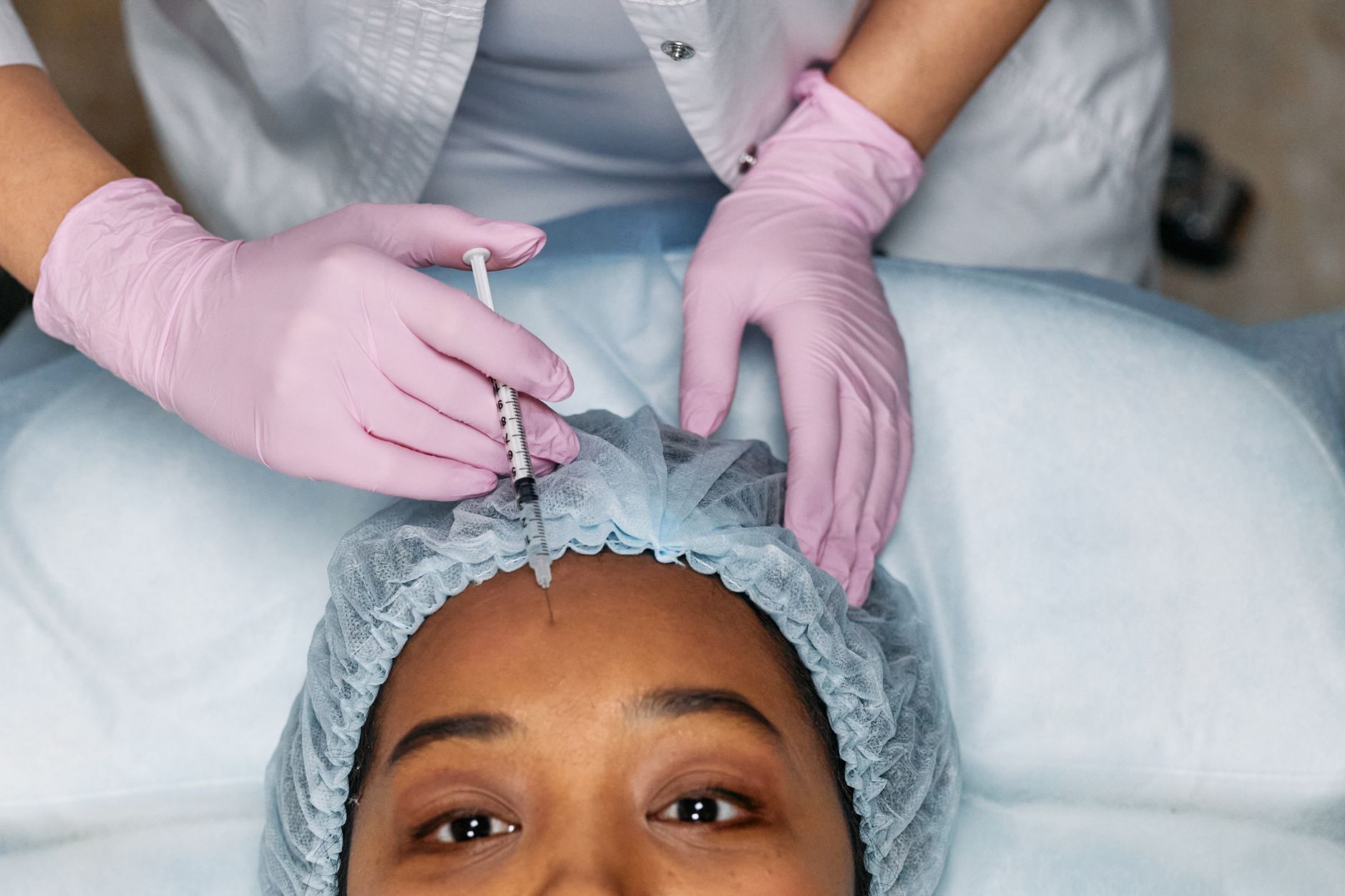
Botox has become a buzzword in the world of beauty and aesthetics, often associated with youth and smooth skin. But what exactly is Botox, and why is it so popular? In this article, we’ll explore the ins and outs of Botox, including its benefits, potential risks, cost considerations, and what to expect from the treatment.
Whether you’re considering Botox to address fine lines and wrinkles or simply curious about the procedure, this comprehensive guide aims to provide you with clear and practical information to help you make an informed decision.
What Is Botox?
Botox, short for botulinum toxin, is a neurotoxic protein produced by the bacterium Clostridium botulinum. It is primarily known for its use in cosmetic procedures to temporarily relax the muscles responsible for creating facial wrinkles. When injected in small doses, Botox blocks signals from nerves to muscles, leading to a reduction in muscle activity and, consequently, a more youthful appearance. The treatment is highly sought after due to its effectiveness and minimally invasive nature.
Benefits of Botox
Understanding the benefits of Botox can help you gauge if it’s the right option for your beauty goals. Here are some of the most notable advantages:
- Reduces the Appearance of Wrinkles: Botox is particularly effective at diminishing fine lines and wrinkles, especially around the forehead, eyes, and mouth.
- Minimally Invasive: As a non-surgical procedure, Botox requires little downtime, making it ideal for busy lifestyles.
- Quick Procedure: Sessions typically take only 10 to 15 minutes, allowing you to return to your regular activities almost immediately.
- Long-Lasting Results: While individual results may vary, the effects of Botox can last anywhere from three to six months.
- Preventative Benefits: Many individuals use Botox proactively to prevent the formation of new wrinkles, especially in their 20s and 30s.
- Versatile Treatment: Beyond cosmetic use, Botox is also employed for medical conditions like chronic migraines, excessive sweating, and muscle spasms.
Potential Risks and Side Effects
While Botox is generally considered safe, it’s essential to be aware of potential risks and side effects. Here are some common, mild side effects you may experience:
- Bruising: Injection sites can sometimes become bruised or swollen but usually resolve quickly.
- Headaches: Some patients report experiencing mild headaches after the procedure.
- Drooping Eyelids: Rarely, Botox can cause unintended muscle weakness, leading to temporary drooping in the eyelids or eyebrows.
- Allergic Reactions: Although uncommon, some individuals may have an allergic reaction to components in Botox.
It’s important to consult with a licensed and experienced practitioner who can assess your medical history and help minimize side effects. Serious complications are rare when Botox is administered by qualified professionals.
What to Expect During the Procedure
Understanding the Botox treatment process can alleviate any concerns you may have. Here’s a step-by-step overview of what to expect:
- Consultation: Before treatment, you’ll have a consultation to discuss your goals, medical history, and any concerns you may have. Your injector will assess your facial structure and recommend areas for treatment.
- Preparation: On the day of the treatment, your injector may cleanse your face and apply a topical anesthetic to minimize discomfort during the procedure.
- Injection: Using a fine needle, the injector will administer Botox into specific areas of your face. You may feel slight pinching or discomfort, but the procedure is usually well tolerated.
- Post-Treatment Care: After the injections, you can resume normal activities immediately. Your injector may provide specific aftercare instructions to optimize results.
Cost Considerations
The cost of Botox can vary widely based on several factors, including geographic location, the expertise of the injector, and the amount of product used. Here’s what to keep in mind:
- Price per Unit: Botox is typically billed by the unit, with costs ranging from $10 to $20 per unit. The total cost depends on how many units are needed to achieve the desired results.
- Average Treatment Cost: On average, most patients may spend between $300 to $600 per session. This can differ based on the area being treated and individual goals.
- Experience Matters: While it might be tempting to go for the lowest price, remember that quality and experience matter significantly in aesthetic treatments.
- Maintenance Sessions: To maintain results, follow-up treatments are necessary every three to six months, adding to the overall cost.
Who Is a Good Candidate for Botox?
Botox is suitable for a variety of individuals, but it may not be the best option for everyone. Here are some general criteria for being a good candidate:
- Adults aged 18 years and older.
- Individuals interested in reducing the appearance of fine lines and wrinkles.
- People looking for a minimally invasive option to enhance their appearance.
- Those without neuromuscular disorders or allergies to any components of Botox.
If you are pregnant, breastfeeding, or have specific medical conditions, consult with a healthcare professional to determine if Botox is appropriate for you.
Common Misconceptions About Botox
Despite its popularity, there are many misconceptions about Botox that can lead to hesitancy about the treatment. Here are a few clarifications:
- Botox is Only for Older People: Many younger individuals use Botox as a preventative measure to delay wrinkles.
- Botox is Toxic: While Botox is derived from a toxin, it is tested and used in very small, safe doses for cosmetic purposes.
- Botox is Permanent: The effects of Botox are temporary, lasting a few months. Continuous treatment can maintain results, but it is not a permanent solution.
- It Makes You Look Frozen: When done skillfully, Botox can create a natural-looking result that softens wrinkles without losing facial expressiveness.
Aftercare Tips for Botox
Ensuring proper aftercare can enhance your results and minimize any side effects. Here are some aftercare tips to consider:
- Avoid rubbing or massaging the treated areas for at least 24 hours.
- Refrain from strenuous exercise, hot baths, or saunas on the day of treatment.
- Keep your head elevated for the first few hours post-injection to help the product settle properly.
- Stay hydrated and maintain a healthy lifestyle to support the longevity of your results.
Alternatives to Botox
If Botox doesn’t seem like the right fit for you, there are alternatives worth considering. Here are some popular options:
- Dermal Fillers: Unlike Botox, which relaxes muscles, dermal fillers add volume to areas of the face, smoothing out wrinkles and enhancing facial contours.
- Microdermabrasion: This non-invasive treatment exfoliates the outer layer of the skin and is used to improve skin texture, tone, and clarity.
- Chemical Peels: These treatments can remove the top layer of skin to reveal a smoother complexion underneath, helping with fine lines and pigmentation.
- Laser Treatments: Various laser options treat wrinkles, skin texture, and pigmentation while promoting collagen production for more youthful skin.
Final Thoughts
Botox can be an effective solution for individuals looking to reduce the appearance of wrinkles and achieve a more youthful look. With minimal downtime and quick results, many find it an appealing option. However, it’s vital to weigh the benefits against possible risks and costs and to consult with a qualified professional before proceeding.
As with any beauty treatment, individual experiences may vary. By arming yourself with knowledge and realistic expectations, you can confidently decide whether Botox is the right choice for you. Always prioritize safety and make informed decisions about your beauty journey.
If you’re interested in further enhancing your beauty knowledge, consider exploring our guides on skincare routines, dermal fillers, and microdermabrasion techniques. Understanding various treatments can enrich your approach to beauty and self-care.