
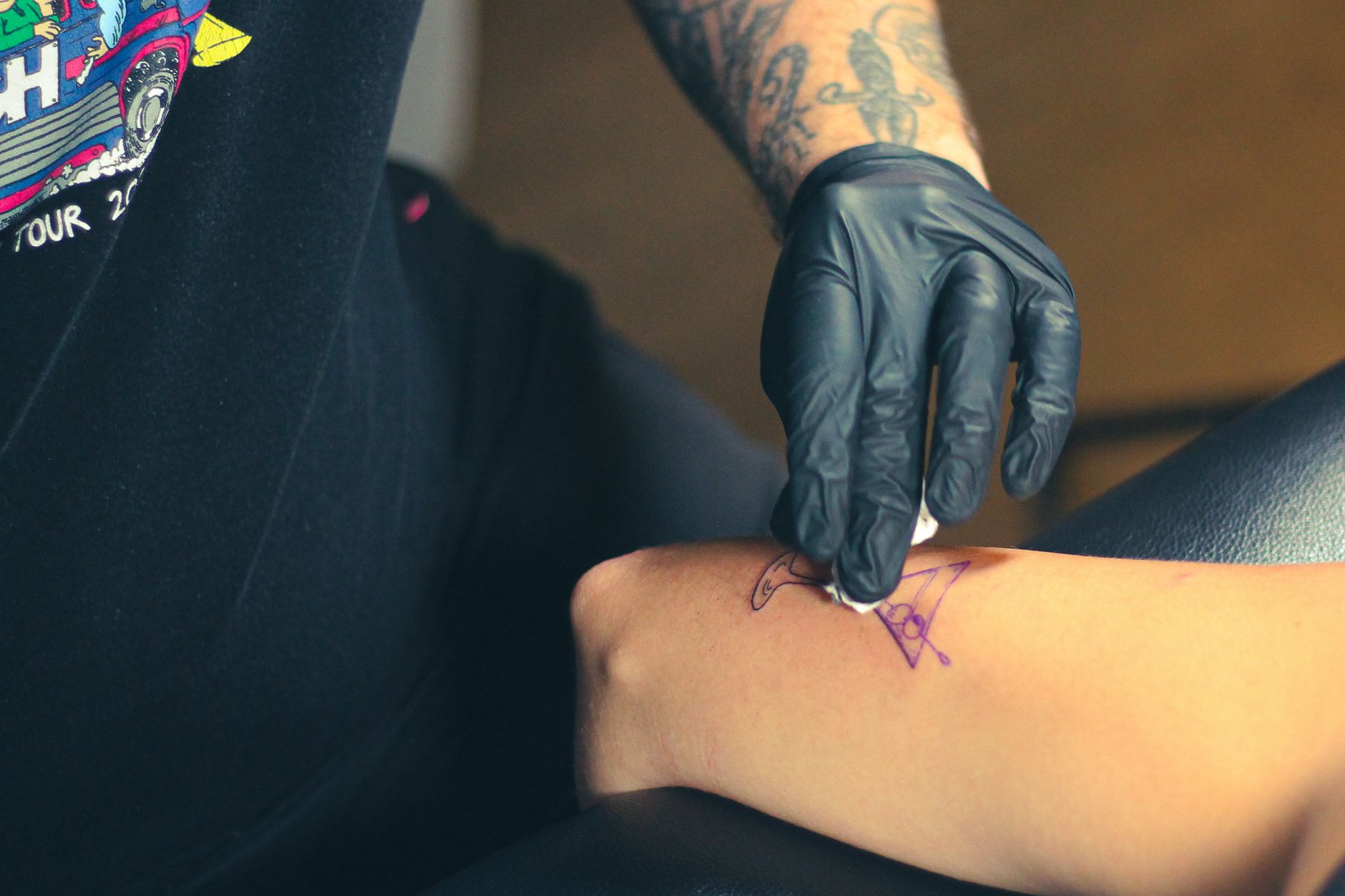
Tattoos have become a popular form of self-expression, but proper aftercare is crucial for maintaining the vibrancy and integrity of your new ink. One common question among tattoo enthusiasts is whether Aquaphor, a well-known healing ointment, is suitable for tattoo care. Understanding its benefits and potential risks can help you decide whether to incorporate it into your tattoo aftercare routine.
This article will explore the role of Aquaphor in tattoo healing, provide evidence from various sources, and highlight key risks to make an informed decision about its use on your new tattoo.
Is Aquaphor Good for Tattoos?
Aquaphor is commonly recommended for tattoo care because it helps to create a barrier that promotes healing while locking in moisture. Its primary ingredient, petrolatum, is an occlusive agent that can effectively protect a healing tattoo from external contaminants. However, its use is not without controversy, and some health professionals caution users about specific risks associated with its application.
To navigate the conversation about Aquaphor and tattoos, let’s delve into its components, benefits, and drawbacks.
Understanding Aquaphor: The Ingredients and Their Role
Aquaphor Healing Ointment contains several key ingredients that contribute to its effects on the skin:
- Petrolatum: This is the primary active ingredient in Aquaphor, forming a protective barrier on the skin to help lock in moisture and prevent dehydration.
- Mineral Oil: A lightweight oil that moisturizes and helps prevent excessive water loss from the skin.
- Glycerin: A humectant that attracts moisture to the skin, aiding in hydration and maintaining skin elasticity.
- Panthenol: A form of vitamin B5 known to soothe the skin and promote healing.
- Bisabolol: A natural anti-inflammatory derived from chamomile, helpful in reducing skin irritation.
The Benefits of Using Aquaphor for Tattoo Aftercare
Using Aquaphor for tattoo aftercare offers several benefits that can support the healing process:
1. Hydration
The moisture-retaining properties of Aquaphor help keep the tattooed area hydrated. Proper hydration is essential in preventing scabbing and peeling, which can distort the ink and impact the overall appearance of the tattoo.
2. Protection from External Irritants
The occlusive layer formed by Aquaphor protects your tattoo from dirt, bacteria, and other external irritants that could lead to infection or complications during the healing process.
3. Promotes Healing
Aquaphor contains several ingredients that are known to support skin healing, such as panthenol. Its ability to reduce inflammation helps alleviate discomfort that may occur during the tattoo healing process.
4. Fade Prevention
Keeping the tattoo moisturized can prevent it from fading prematurely. This is particularly beneficial during the crucial early days of healing when the tattoo is most susceptible to environmental factors.
How to Use Aquaphor on Your New Tattoo
If you’ve decided to use Aquaphor for your tattoo aftercare, here is a clear guide for application to ensure optimal results:
- Clean the tattoo: After getting your tattoo, gently wash the area with mild soap and water, avoiding harsh cleansers.
- Pat dry: Use a clean, soft towel to gently pat the area dry. Avoid rubbing, which may irritate the freshly tattooed skin.
- Apply Aquaphor: Take a small amount of Aquaphor and apply a thin layer over the tattoo. Ensure it covers the entire area without overapplying.
- Frequency: Reapply the ointment 2-4 times a day or whenever the tattoo feels dry. Be mindful not to smother the tattoo; a thin layer is sufficient.
- Allow it to breathe: While it’s essential to keep the tattoo moisturized, you should also allow it to breathe by not covering it with bandages unless instructed by your tattoo artist.
Key Risks and Considerations
While Aquaphor can be beneficial for tattoo aftercare, there are some risks and considerations to be aware of:
1. Potential Allergic Reactions
Some individuals may experience allergic reactions to one or more ingredients in Aquaphor. If you notice any redness, itching, or irritation after application, discontinue use immediately and consult a healthcare professional.
2. Over-Occlusion
Using too much Aquaphor can lead to clogged pores, which can result in breakouts or even hinder the healing process. Apply a thin layer to avoid over-occlusion.
3. Not Suitable for Everyone
Individuals with oily or acne-prone skin may want to avoid using Aquaphor altogether, as its heavy formulation may worsen their skin condition. It’s essential to assess your skin type before using this product.
4. Impeding the Natural Skin Regeneration Process
While Aquaphor protects the skin, excessive use can impede the natural regeneration process of the skin. It may be beneficial to switch to a lighter moisturizer once the initial healing phase is over.
Alternative Aftercare Products
If you’re unsure whether to use Aquaphor for your tattoo, several alternative products are available that may suit your needs better:
- Fragrance-free moisturizers: Look for gentle, fragrance-free moisturizers that are suitable for sensitive skin. Products like CeraVe and Vanicream can provide hydration without the heaviness of an ointment.
- Tattoo-specific aftercare products: Some brands formulate products specifically designed for tattoo care. These products often contain beneficial ingredients like aloe vera, calendula, or vitamin E that promote healing.
- Organic coconut oil: Known for its moisturizing properties, organic coconut oil can be an excellent natural alternative for maintaining tattoo hydration.
Realistic Expectations for Tattoo Healing
The healing process for a tattoo can vary significantly based on multiple factors, including:
- Size and placement: Larger tattoos or those placed in areas subject to movement or friction may take longer to heal.
- Skin type: Oily or dry skin types may experience different healing timelines.
- Aftercare routine: Following proper aftercare contributes significantly to the healing process. Consistency and care will yield better results.
On average, it can take anywhere from 2 to 4 weeks for a tattoo to heal completely. During this period, you may experience peeling, dryness, and minor itching. It is essential to avoid scratching or picking at the area, as this can lead to complications like scarring or fading.
Common Mistakes to Avoid in Tattoo Aftercare
To achieve the best results during the healing process, steer clear of these common mistakes:
- Not cleaning the tattoo: Failing to keep the tattoo clean can lead to infection. Always cleanse gently before applying any products.
- Using harsh products: Avoid alcohol-based products or strong fragrances that can irritate the skin.
- Exposing the tattoo to sun: Protect healing tattoos from direct sunlight, as UV rays can fade ink and irritate the skin.
- Soaking the tattoo: Avoid swimming in pools, hot tubs, or taking long baths until the tattoo is fully healed, as excess moisture can lead to complications.
- Picking or scratching: Do not pick scabs or scratch at the tattooed area, as this may lead to scarring and affect the design.
Signs of Trouble: When to Seek Help
While it’s normal for a tattoo to experience some discomfort, you should be vigilant for signs of potential problems:
- Excessive redness: If the redness around the tattoo worsens or spreads, it could be a sign of infection.
- Pus or discharge: Any discharge other than transparent bodily fluids could indicate bacterial infection.
- Fever or chills: Systemic symptoms such as fever can signal severe complications that require medical attention.
If you notice any of these signs, consult with a healthcare provider to address potential issues promptly.
Final Thoughts on Using Aquaphor for Tattoos
Aquaphor can be a beneficial option for tattoo aftercare, offering hydration and protection for healing skin. However, as with any product, it’s essential to consider your skin type and any potential reactions. Monitoring your tattoo and adjusting your routine as needed while following proper aftercare guidelines will play a significant role in achieving the best outcome.
Ultimately, whether you choose to use Aquaphor or an alternative depends on your personal preferences and skin’s needs. Whatever path you choose, a gentle, attentive aftercare routine will help ensure your tattoo remains beautiful for years to come.
For more information on skincare topics and routines that keep your skin healthy, explore practical guides on achieving healthy skin, selecting the best moisturizers, or discovering effective sun protection strategies.