
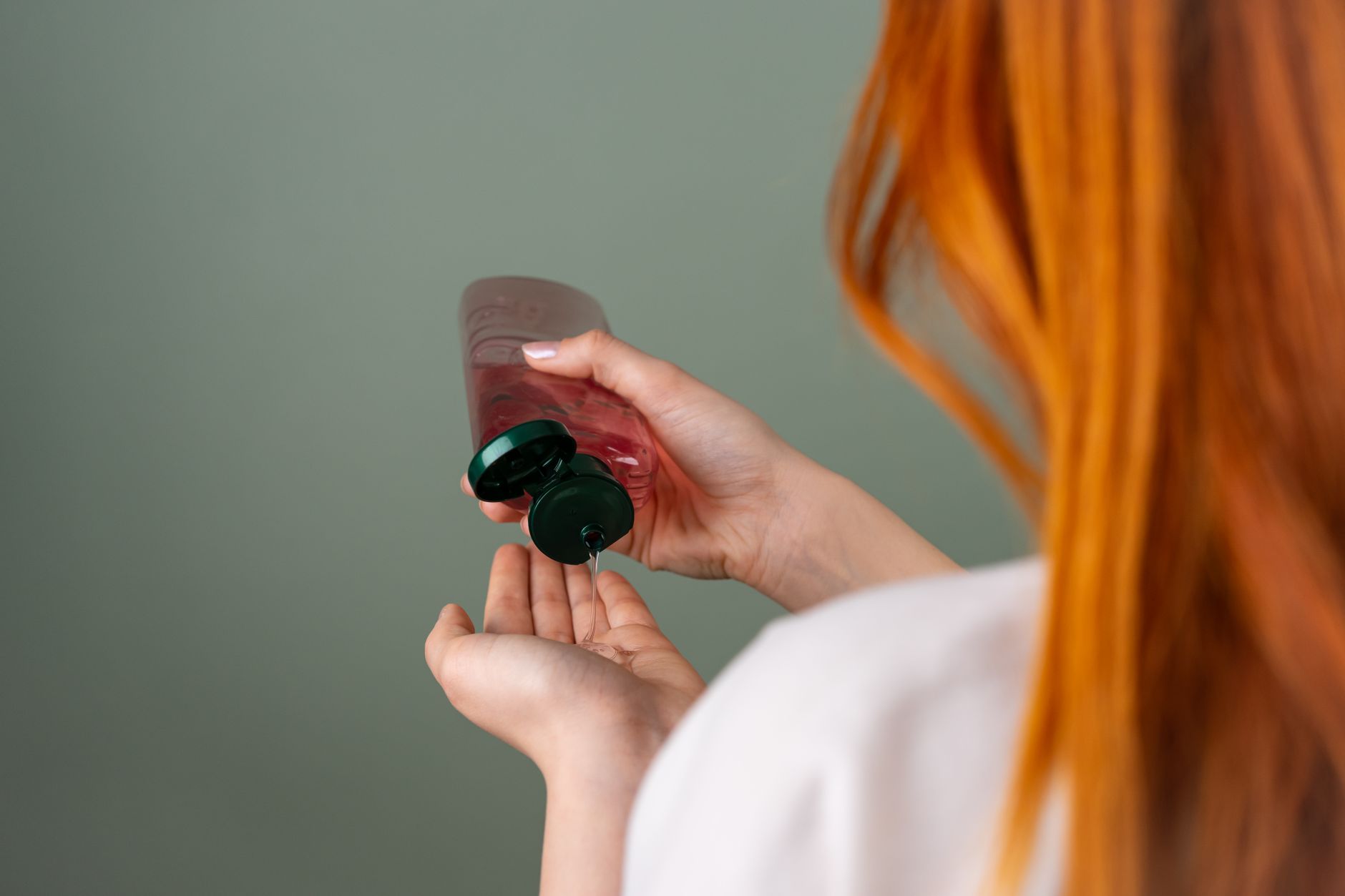
Understanding how often to wash your hair is crucial for maintaining healthy locks and a balanced scalp. With myriad factors influencing this decision, it’s essential to consider your hair type, scalp condition, lifestyle, and personal preferences. This guide will help you unravel the complexities surrounding hair washing frequency while offering tips to enhance your hair care routine.
Many people mistakenly adhere to fixed washing schedules, assuming they suit everyone. However, hair and scalp care should be personalized. Here, we’ll explore different hair types, provide guidance on establishing a washing routine, and outline common mistakes to avoid.
How Often to Wash Hair?
The frequency with which you should wash your hair varies widely based on personal and environmental factors. Generally, people with oily hair may need to wash their hair more frequently—up to once a day—while those with dry hair may find that washing once a week suffices.
In most cases, a good rule of thumb is to assess your hair’s oiliness, dryness, and texture. The goal is to strike a balance: keep your scalp clean without stripping it of essential oils. Factors such as climate, humidity, and physical activities also play a pivotal role.
Factors Influencing Hair Washing Frequency
Understanding your hair and scalp dynamics is key to selecting the right washing schedule. Below are significant factors that can affect how often you should wash your hair:
- Hair Type: Straight, wavy, curly, and coily hair types all respond differently to washing. Straight hair tends to get oily faster because natural oils can easily travel down the hair shaft. Curly and coily hair, on the other hand, often require less frequent washing as oils do not distribute as easily along the strands.
- Scalp Condition: Oily scalps may require more frequent washing, while dry or sensitive scalps may benefit from less frequent cleansing.
- Lifestyle: If you exercise regularly or work in environments where your hair may become dirty or greasy, more frequent washing may be necessary.
- Climate: Hot and humid climates often contribute to increased oil production, resulting in an oily scalp that may require more regular washing.
- Products Used: The use of heavy styling products may necessitate more frequent washing to prevent buildup. Conversely, minimal product use may allow for less frequent washes.
Hair Washing Guidelines by Hair Type
Straight Hair
Straight hair often accumulates oil more quickly due to its structure. It typically requires washing every 1 to 3 days, depending on your scalp’s oiliness and lifestyle. If you use a lot of product, you might find daily washing beneficial.
Wavy Hair
Wavy hair tends to be more forgiving when it comes to washing frequency. Most people with wavy hair can wash every 2 to 4 days, as the waves help to disperse excess oil while maintaining some natural moisture.
Curly Hair
Curly hair often benefits from less frequent washing due to its tendency to be dryer. Washing every 4 to 7 days is typically sufficient. Curly hair loves moisture, so keeping oils and natural products in can enhance its health.
Coily Hair
Coily hair usually requires the least amount of washing, as it is the driest texture. Coily hair may be washed every 7 to 14 days, or even longer, depending on individual needs and scalp conditions. Deep conditioning is often recommended during wash days.
The Washing Process: Best Practices
Regardless of your hair type, the washing process is a critical element in maintaining hair health. Here are some best practices that apply to everyone:
- Brush Before Washing: Gently detangle your hair with a wide-tooth comb or brush before washing. This can minimize breakage and help distribute oils.
- Wet Your Hair Thoroughly: Ensure your hair is completely wet before applying shampoo. This helps reduce the amount of product needed and promotes even cleansing.
- Use the Right Shampoo: Choose a shampoo suited to your hair type. Consider sulfate-free options that are gentler on the scalp and hair.
- Apply Shampoo Properly: Only apply shampoo to your scalp and roots. The suds will cleanse the lengths of your hair as you rinse.
- Conditioner Use: Apply conditioner primarily to the mid-lengths and ends after rinsing out the shampoo. Leave it in for a few minutes for better absorption.
- Rinse with Cool Water: Rinsing with cool water can help seal the hair cuticle, making hair shinier and smoother.
- Limit Heat Styling: Excessive heat styling can lead to damage, so try to limit the use of blow dryers, straighteners, and curling irons.
Common Mistakes to Avoid
To maximize the benefits of your hair washing routine, it’s important to avoid common pitfalls:
- Washing Too Frequently: Overwashing can strip your scalp of natural oils, causing dryness and irritation. Give your hair time to maintain its natural balance.
- Ignoring Scalp Health: Pay attention to your scalp and its condition. If you notice excess oil or flakes, it may be time to adjust your washing schedule.
- Using the Same Products All the Time: Your hair’s needs can change based on the season, products, or treatments used. Be open to trying different products.
- Neglecting to Condition: Skipping conditioner can lead to dry, frizzy hair. Always condition, even if you have oily hair.
- Not Cleaning Tools: Brushes, combs, and hair accessories can trap oil and product buildup. Clean them regularly to keep them hygienic.
- Using Hot Water: Hot water can strip natural oils. Opt for lukewarm water for washing and cool water for rinsing instead.
Adjusting Your Routine: Transitioning to Less Frequent Washes
Transitioning to a less frequent washing routine can be challenging but rewarding. Here are some tips to help make the process smoother:
- Gradual Increase: Gradually increase the time between washes instead of making drastic changes overnight.
- Use Dry Shampoo: Incorporate dry shampoo on days when you skip washing to absorb excess oil and extend the freshness of your hair.
- Be Mindful of Product Build-up: Consider using clarifying shampoos occasionally to remove buildup without stripping your scalp.
- Stay Hydrated: Drinking plenty of water and maintaining a healthy diet can affect your hair’s health and texture.
- Monitor Changes: Take note of how your hair and scalp respond as you change your routine. Adjust as necessary.
Signs It’s Time to Wash Your Hair
Learning to recognize when your hair needs washing is crucial. Below are signs that indicate it may be time to shampoo:
- Grease: If your hair feels oily to the touch or appears shiny near the roots, it’s likely time for a wash.
- Odor: If your hair emits an odor despite having brushed it, a wash is necessary.
- Dullness: Hair that lacks its usual shine may benefit from cleansing and conditioning.
- Product Buildup: If your usual styling products stop working effectively, it may be due to product buildup requiring cleansing.
- Flakes: If you notice dandruff or scalp flakes, a wash can help eliminate them and promote a healthier scalp.
Creating a Hair Washing Routine
To help establish a consistent routine, consider the following steps:
- Assess Your Hair Type: Identify your hair type, texture, and scalp condition.
- Determine Frequency: Based on your assessment, decide how often you’ll wash your hair.
- Choose Products Wisely: Invest in quality shampoos and conditioners that are specifically formulated for your hair type.
- Track Progress: Keep tabs on how your hair and scalp feel. Adjust your routine based on changing needs.
- Stay Flexible: Weather, lifestyle changes, and hair treatments can warrant adjustments to your routine.
Preparing for Special Occasions
Planning for events or special occasions may require a unique approach to your hair washing routine. Here are a few tips:
- Wash Before Styling: If you need to style your hair for a special event, wash it the day before to create texture and manageability.
- Use a Deep Conditioner: Before an event, treat your hair to a deep conditioning treatment a day prior to enhance shine and smoothness.
- Consider Extra Time for Styling: Be prepared for additional time needed to style freshly washed hair, as it may need to air-dry.
Conclusion
Finding the right frequency for washing your hair involves understanding your hair type, scalp condition, and lifestyle. By evaluating these factors and adjusting your routine wisely, you can maintain healthy, beautiful hair. Remember that everyone’s hair is unique, and personalized care is essential for achieving the best results. Start your journey to optimizing your hair washing routine to discover what works best for you.
For more information on hair care, check out these guides: how often should you shampoo your hair and why does my hair get greasy so fast.