
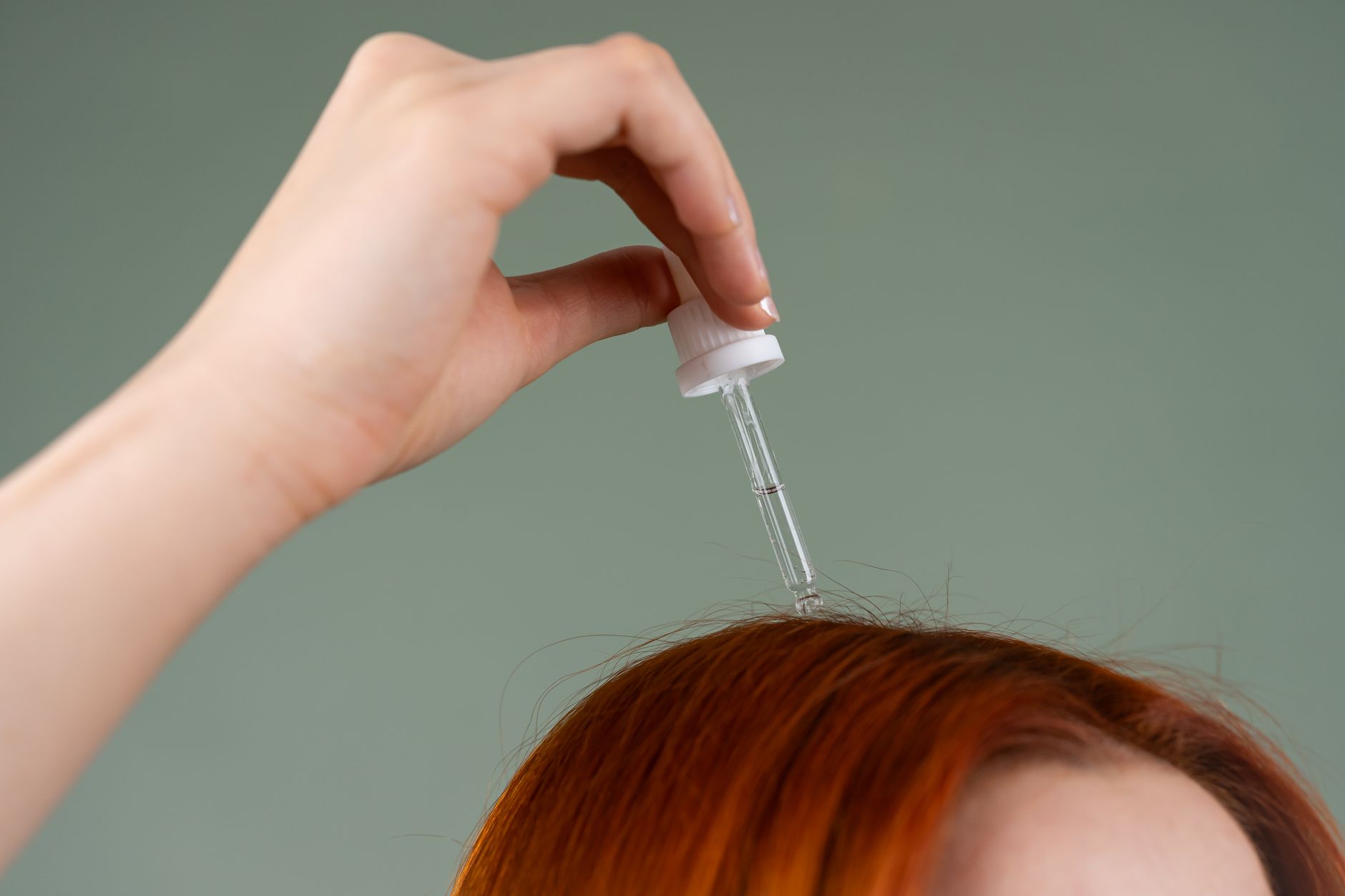
Dry scalp can be an uncomfortable and sometimes embarrassing condition affecting many people. Understanding the causes is the first step toward finding an effective remedy. This article examines the various factors that contribute to dry scalp and provides practical solutions to address this issue.
From environmental influences to hair care products, multiple elements can lead to dryness and irritation. Whether you are experiencing itching, flaking, or tightness, knowing the underlying causes can help you choose the right treatments for healthy, balanced scalp care.
What Causes Dry Scalp?
Several factors can lead to a dry scalp. Common causes include environmental conditions, underlying health issues, and inappropriate hair care practices. Additionally, certain products can exacerbate the problem.
Environmental Factors
The environment plays a crucial role in the health of your scalp. Here are some common environmental factors that may lead to dryness:
- Cold Weather: Low humidity during winter months can strip moisture from both skin and scalp.
- Air Conditioning and Heating: Indoor air can become dry due to heating systems or air conditioning, further dehydrating your scalp.
- Sun Exposure: Prolonged exposure to UV rays can damage skin and contribute to dryness.
Health Issues
Sometimes, dry scalp can signal underlying health issues or conditions. Here are a few health factors to consider:
- Dehydration: Not drinking enough water can lead to dry skin throughout the body, including the scalp.
- Skin Conditions: Conditions such as psoriasis, eczema, and dermatitis can manifest as dry, flaky scalp.
- Hormonal Changes: Significant hormonal shifts, such as those that occur during pregnancy or menopause, can affect skin hydration.
Improper Hair Care Practices
How you care for your hair can have a significant impact on scalp health. Here are common pitfalls:
- Overwashing: Washing your hair too frequently can strip natural oils, leading to dryness.
- Using Harsh Products: Products with sulfates, alcohol, or strong fragrances can irritate the scalp and cause dryness.
- Heat Styling Tools: Frequent use of blow dryers, straighteners, and curling irons can lead to moisture loss.
Diet and Nutrition
Your diet plays a role in the hydration of your skin and scalp. Nutritional deficiencies can lead to various skin problems, including a dry scalp.
- Omega-3 Fatty Acids: Lack of these essential fats can lead to a dry scalp and hair.
- Vitamins and Minerals: Deficiencies in vitamins B, D, E, and zinc can affect skin health.
Stress and Lifestyle
High stress levels can lead to a range of health problems, including skin issues. Here’s how stress can impact scalp health:
- Stress Response: Increased stress can trigger conditions such as psoriasis or seborrheic dermatitis, resulting in a dry scalp.
- Lack of Sleep: Poor sleep can negatively affect the immune system and skin health.
Allergic Reactions
Allergies to hair care products or ingredients may cause scalp irritation and dryness. Common allergens include:
- Fragrances and Dyes: Artificial fragrances and colorants can trigger allergic reactions.
- Preservatives: Some preservatives can lead to irritation and sensitivity.
Recognizing Symptoms of Dry Scalp
Understanding the symptoms of dry scalp can help you identify the issue and take appropriate action. Here are some common signs:
- Flaking: Visible flakes on the scalp and clothing can be a clear indicator of dryness.
- Itching: A persistent itch may accompany dry scalp, leading to irritation and scratching.
- Tightness: Some individuals may experience a tight feeling on the scalp.
Remedies for Dry Scalp
Once you’ve identified the potential causes of a dry scalp, the next step is finding remedies. Here are some effective solutions:
1. Moisturizing Treatments
To combat dryness, incorporating moisturizing products is essential. Look for:
- Scalp Oils: Natural oils like coconut, jojoba, or olive oil can hydrate the scalp.
- Leave-in Conditioners: Opt for lightweight, moisturizing leave-in conditioners.
- Hair Masks: Use deep conditioning masks weekly to replenish moisture.
2. Gentle Cleansing
Switching to a gentle shampoo can help prevent moisture loss. Consider the following:
- Sulfate-Free Shampoos: These are less stripping and gentler on your scalp.
- Cool Water Rinse: Use cooler water instead of hot water when washing your hair.
- Reduce Washing Frequency: Limit hair washing to two or three times a week.
3. Scalp Exfoliation
Exfoliating the scalp can remove dead skin cells and promote a healthy environment. Consider:
- Scalp Scrubs: Use a gentle scalp scrub once a month to eliminate buildup.
- DIY Scrubs: Blend natural ingredients like sugar and oil for a homemade exfoliator.
4. Hydration and Diet Adjustments
To address dry scalp from the inside out, consider these changes:
- Increase Water Intake: Stay hydrated by drinking plenty of water throughout the day.
- Balance Your Diet: Include ample healthy fats and nutrient-rich foods in your meals.
5. Stress Management Techniques
Managing stress levels is crucial for maintaining overall health. Consider incorporating:
- Mindfulness Practices: Yoga, meditation, or mindful breathing can reduce stress.
- Regular Exercise: Engage in physical activity to improve mood and reduce stress.
6. Patch Testing for Allergens
If you suspect that a product may be causing scalp irritation, conduct a patch test:
- Choose Products Carefully: Select new hair care products free from fragrances and dyes.
- Test on a Small Area: Apply a small amount of the product on your wrist or behind your ear to check for reactions.
7. Consult a Professional
If home remedies do not improve your dry scalp situation, seek advice from a healthcare professional. Symptoms that warrant professional evaluation include:
- Persistent Itching: Itchiness that does not subside with at-home treatments.
- Severe Flaking: Excessive flaking that affects daily life.
- Signs of Infection: Any signs of redness, swelling, or pain may require medical attention.
Common Mistakes to Avoid
When addressing dry scalp, it’s important to avoid certain behaviors that may worsen the condition:
- Using Shampoo with Sulfates: Avoid harsh cleansing agents that can strip natural oils.
- Inconsistent Routine: Maintain a consistent hair care routine to keep your scalp healthy.
- Irritating Ingredients: Be cautious of products containing synthetic fragrances or alcohol.
Setting Realistic Expectations
When implementing remedies for dry scalp, manage your expectations. Improvements may take time, and individual results can vary.
- Gradual Changes: It may take weeks to notice significant improvements in scalp hydration.
- Be Patient: Consistency in your scalp care routine will yield the best results.
Conclusion
Understanding the causes of dry scalp is essential in addressing this common beauty concern. By identifying potential triggers and correcting practices, you can achieve a healthy, moisturized scalp. Consider integrating some of the mentioned remedies into your routine for effective results.
If you’re looking to further explore scalp health, check out the guide on how to get rid of dandruff or learn about how to moisturize your scalp. Taking these steps can help ensure your scalp stays nourished, which contributes to your overall hair health.