
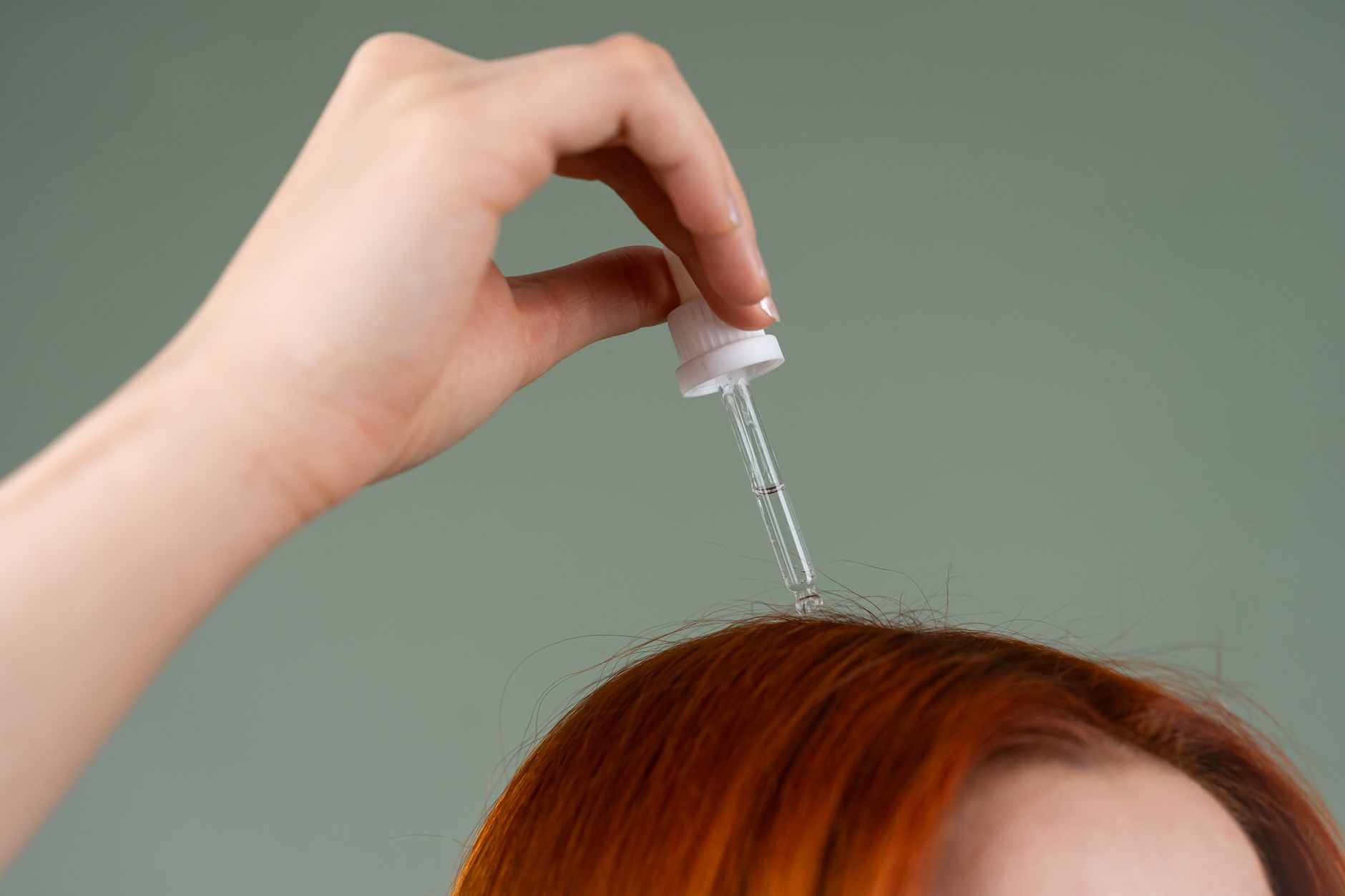
DHT blockers have gained considerable attention for their potential role in hair health. In this article, we will explore what DHT blockers are, how they work, and their importance in maintaining healthy hair. You’ll also learn about the causes of excess DHT, symptoms of hair loss related to it, and tips for integrating DHT blockers into your haircare routine.
Understanding the connection between DHT and hair health is crucial, especially for those concerned about hair thinning or loss. Let’s dive into how DHT blockers can be your allies in achieving luscious locks.
What Is DHT Blocker?
A DHT blocker is a substance that inhibits the production or activity of dihydrotestosterone (DHT), a hormone derived from testosterone. DHT plays a significant role in affecting hair follicles, and its presence can contribute to hair loss, particularly in those with a genetic predisposition.
By blocking DHT, these products aim to reduce hair thinning and promote healthier hair growth. DHT blockers can be found in both topical and oral forms, including shampoos, conditioners, supplements, and medications.
Symptoms of DHT-Related Hair Loss
Recognizing the symptoms related to DHT is important for early intervention. Here are some common indicators:
- Thinning Hair: A gradual reduction in hair density, particularly noticeable at the crown and temples.
- Receding Hairline: Hair may begin to retreat from the forehead, forming a distinct shape.
- Increased Hair Shedding: Noticing more hairs on your brush or in the shower drain can signal DHT-related issues.
- Changes in Hair Texture: Hair may become finer and less resilient over time.
Causes of Excess DHT
DHT is a natural hormone in the body, but certain factors can lead to its excess production. Understanding these causes is key to managing hair health:
- Genetics: A hereditary predisposition to hair loss affects how receptors in hair follicles respond to DHT.
- Hormonal Changes: Fluctuations in hormones, especially during puberty or menopause, can impact DHT levels.
- Diet: Diets high in saturated fats and low in vitamins may contribute to hormonal imbalances.
- Stress: Chronic stress can alter hormone levels, potentially increasing DHT production.
How DHT Blockers Work
DHT blockers primarily work either by preventing the conversion of testosterone into DHT or by blocking DHT from binding to hair follicle receptors. Common ingredients in DHT blockers include:
- Finasteride: An oral medication that inhibits the enzyme responsible for the conversion of testosterone to DHT.
- Minoxidil: A topical solution that promotes hair growth and can work alongside DHT blockers.
- Natural Extracts: Ingredients like saw palmetto, pumpkin seed oil, and white tea extract may block DHT by inhibiting its production or activity.
Individuals often combine these treatments for optimal results, targeting multiple pathways to reduce DHT levels effectively.
Incorporating DHT Blockers into Your Haircare Routine
Integrating DHT blockers into your routine can be straightforward. Here’s how to do it effectively:
Step 1: Consult a Professional
Before introducing any DHT blockers into your routine, consult with a healthcare provider or a dermatologist. They can help assess your hair loss and recommend appropriate products or treatments.
Step 2: Choose the Right Products
Select DHT blockers that suit your needs, whether you prefer topical options like shampoos and conditioners or oral supplements. Here’s what to look for:
- Shampoos and Conditioners: Look for products labeled as DHT blockers, often containing ingredients like saw palmetto or ketoconazole.
- Supplements: Consider natural DHT blockers in pill form, ensuring they have a formula that fits your dietary preferences.
- Prescription Medications: If advised, discuss options like finasteride with your doctor.
Step 3: Regular Use
Consistency is key. Follow the product instructions for the best results:
- For shampoos, lather and leave on for several minutes to allow the ingredients to work effectively.
- For supplements, take them at the same time each day to create a routine.
- Monitor any changes in your hair density and health, adjusting products as necessary after consulting a professional.
Step 4: Complementary Care Tips
To maximize the benefits of DHT blockers:
- Healthy Diet: Incorporate foods rich in vitamins and minerals that support hair health, such as leafy greens, nuts, and fish.
- Manage Stress: Practice relaxation techniques like yoga, meditation, or leisurely activities to help balance hormones.
- Avoid Harsh Treatments: Minimize the use of high-heat styling and harsh chemical treatments that may further weaken hair.
Common Mistakes to Avoid
While using DHT blockers, be wary of these common mistakes:
- Expecting Immediate Results: Hair care often requires patience. Give DHT blockers time to show results, usually several months.
- Overusing Products: More isn’t always better. Stick to the recommended amounts to avoid scalp irritation.
- Neglecting Scalp Care: Don’t overlook regular cleaning, exfoliating, and nourishing of the scalp, which is crucial for healthy hair growth.
Signs of Irritation and When to Stop Use
Monitor for signs of irritation or adverse reactions, which may include:
- Itching or redness on the scalp.
- Unusual hair loss or shedding beyond normal.
- Headaches or dizziness from oral medications.
If you experience these symptoms, discontinue use and consult a healthcare provider immediately to discuss alternative options.
Realistic Expectations
It is essential to set realistic expectations when using DHT blockers:
- Results can vary widely between individuals based on genetics, lifestyle, and the severity of hair loss.
- Some may experience improvement in hair thickness and growth, while others may see minimal changes.
- Hair care should be approached as part of a broader routine, including diet, mental health, and overall wellness.
Understanding Ingredients in DHT Blockers
A more profound understanding of the active ingredients in DHT blockers can help you make informed choices. Here’s a closer look:
| Ingredient | Function | Sources |
|---|---|---|
| Saw Palmetto | Inhibits DHT production | Found in many hair loss shampoos and supplements |
| Ketoconazole | Reduces inflammation | Commonly used in anti-dandruff shampoos |
| Pumpkin Seed Oil | Blocks DHT binding | Available in supplement form and as an oil |
| Minoxidil | Stimulates hair growth | Topically applied via solutions and foams |
When picking DHT blockers, pay attention not just to active ingredients but also to their concentrations and complementary components that may enhance hair health.
Choosing DHT Blockers Wisely
Selecting the right DHT blocker can greatly influence the overall effectiveness of your haircare routine. Consider these factors:
- Hair Type: Different formulations suit different hair types, so choose accordingly.
- Ingredients List: Look for natural ingredients if you prefer a holistic approach.
- Reviews and Recommendations: Seek feedback from others with similar concerns to gauge effectiveness.
Reading reviews and consulting professionals can help you navigate the options available on the market and choose products that align with your particular hair concerns.
Complementary Haircare Practices
Aside from using DHT blockers, consider these practices to foster optimal hair health:
- Regular Trims: Removing split ends can improve the overall look and health of your hair.
- Hydration: Keep your hair hydrated with conditioners, oils, and hair masks.
- Gentle Styling: Minimize tension on hair with loose hairstyles, avoiding tight ponytails or braids.
Incorporating gentle hair care practices alongside DHT blockers can enhance the results and improve your overall hair condition.
Nurturing Your Scalp
The scalp plays a vital role in hair health. Here are some scalp care tips:
- Regular Exfoliation: Use a gentle scrub to remove dead skin cells and promote circulation.
- Scalp Massages: Incorporate daily or weekly massages to enhance blood flow and encourage healthy hair growth.
- Avoiding Product Buildup: Ensure regular cleansing to prevent product residue that can suffocate hair follicles.
Conclusion
DHT blockers can be a valuable addition to your haircare regimen, especially if you’re concerned about hair loss related to excess DHT. With patience, informed choices, and complementary care practices, you can cultivate healthier hair over time. Start your journey by consulting a healthcare professional to determine the best DHT blockers for you.
For more information about preventing hair loss or ways to encourage hair regrowth, you may want to check out our articles on dandruff and hair loss and ways to regrow hair.