
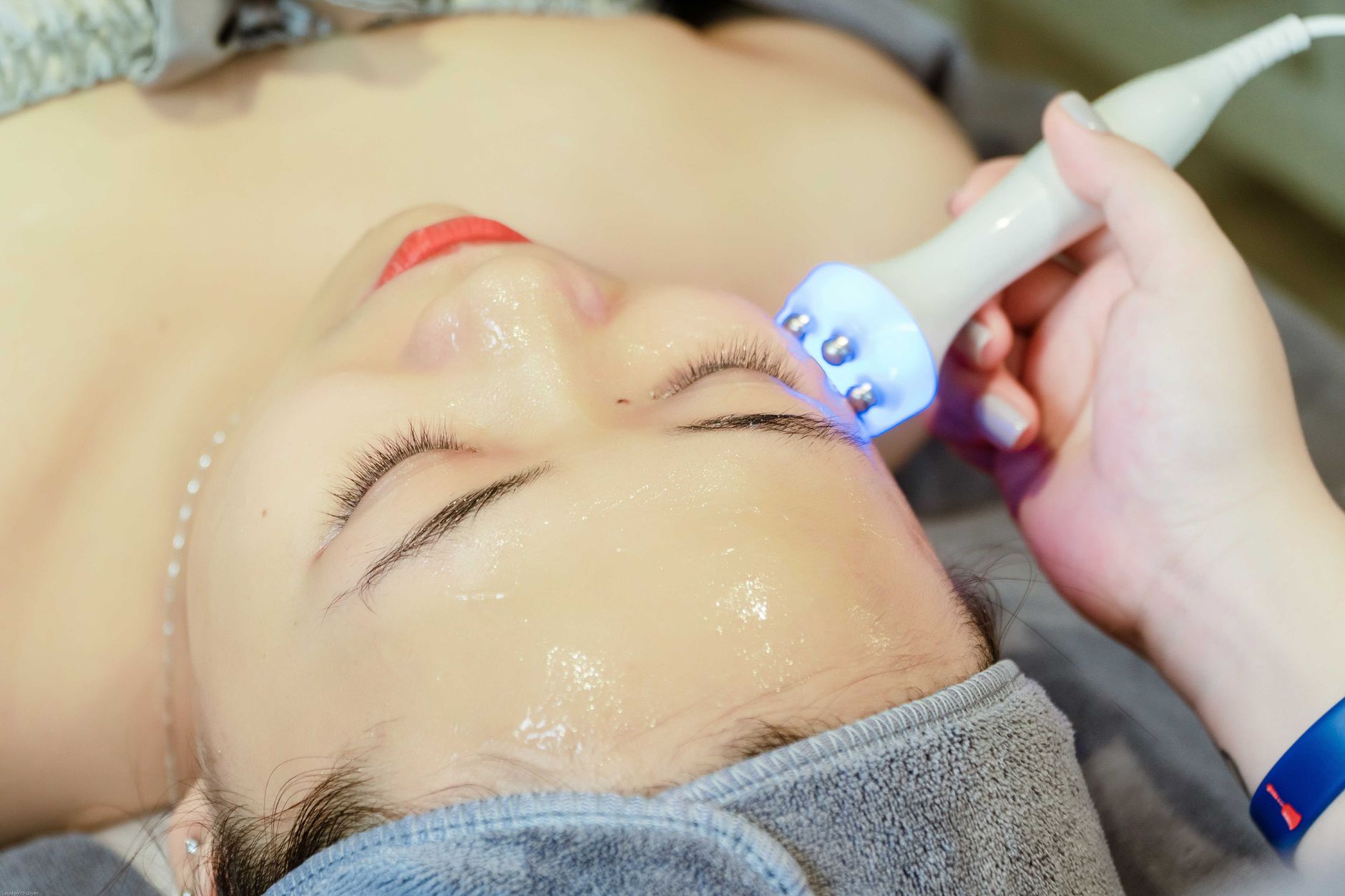
Red light therapy (RLT) is gaining popularity as a skincare treatment for various concerns, but what exactly does it do? With its ability to penetrate the skin and promote cellular function, many beauty enthusiasts are curious about how this technology can enhance their skincare routine. In this article, we will explore the benefits of red light therapy, its safety, and how to incorporate it into your beauty regimen.
By the end, you will understand the mechanisms behind red light therapy, its potential skin benefits, and practical considerations for every skin type. So, whether you’re dealing with fine lines, uneven skin tone, or simply want to boost your skin’s overall health, keep reading to uncover the science of red light therapy.
What Does Red Light Therapy Do?
Red light therapy works by using specific wavelengths of light, typically between 600 and 900 nanometers, to penetrate the skin. It stimulates the mitochondria in your cells, leading to increased production of adenosine triphosphate (ATP), which is essential for cellular energy and repair. This process promotes various skin benefits, including improved texture, reduced inflammation, and enhanced healing.
Understanding the Skin Benefits of Red Light Therapy
Red light therapy offers a wide range of benefits for the skin, making it an appealing option for those looking to enhance their beauty routines. Here are some key advantages:
- Reduction of Fine Lines and Wrinkles: RLT promotes collagen production, which helps to plump the skin and reduce the appearance of fine lines and wrinkles.
- Improved Skin Tone: The therapy can enhance skin brightness and evenness, making it a great option for those struggling with pigmentation issues.
- Enhanced Wound Healing: By boosting cell metabolism, red light can accelerate healing for cuts, scars, and other skin injuries.
- Reduction of Inflammation: RLT has anti-inflammatory properties that may help alleviate conditions like acne, rosacea, and psoriasis.
- Improved Skin Elasticity: Increased collagen and elastin production also means improved skin firmness and elasticity.
- Acne Treatment: It can help reduce acne lesions by decreasing inflammation and promoting healing.
How to Use Red Light Therapy in Your Routine
Incorporating red light therapy into your skincare routine can be easy and straightforward. Here’s a simple guide to help you get started:
1. Choose the Right Device
There are various options available for red light therapy, including:
- At-Home Devices: These range from handheld units to larger panels that can treat larger areas of the body.
- Professional Treatments: Offered in dermatology clinics or spas, professional devices tend to be more potent.
When selecting a device, look for one that delivers the correct wavelengths of light (between 600-900 nm) and is FDA-cleared for safety and effectiveness.
2. Establish a Routine
- Frequency: Start with sessions two to three times a week, gradually increasing as your skin adjusts.
- Duration: Each session can last anywhere from five to 20 minutes, depending on the device and manufacturer’s instructions.
- Cleanse Your Skin: Begin each session with clean skin to enhance light penetration.
3. Additional Skincare Products
For optimal results, consider pairing red light therapy with your regular skincare products. After a session, apply serums or moisturizers to maximize absorption and benefits.
Safety Considerations and Potential Side Effects
While red light therapy is generally considered safe for most skin types, it’s essential to consider a few factors:
1. Skin Sensitivity
If you have very sensitive skin or specific skin conditions, perform a patch test first. Start with shorter sessions and ensure your skin doesn’t react adversely.
2. Eye Protection
Direct exposure to bright light can be harmful to your eyes. If using handheld devices, consider wearing protective goggles or closing your eyes during treatment.
3. Consultation with a Professional
If you have skin conditions or are taking medication that affects your skin’s sensitivity, consult a healthcare provider or dermatologist before starting red light therapy.
Realistic Expectations from Red Light Therapy
It’s crucial to maintain realistic expectations regarding the outcomes of red light therapy. While many individuals report positive results, responses vary based on skin type, condition, and device used. Here’s what to expect:
- Initial improvements may take a few sessions to notice.
- Long-term results often require consistent use over weeks or months.
- RLT can complement other skincare treatments but may not replace them entirely.
Common Mistakes to Avoid
To maximize the benefits and minimize risks when using red light therapy, avoid these common pitfalls:
- Inconsistent Use: Regularity is key. Skipping sessions can delay and reduce the benefits.
- Overuse: More is not always better; sticking to the recommended time and frequency is important.
- Inadequate Skin Prep: Starting with a clean face allows for better absorption of treatment benefits.
Understanding the Mechanism Behind Red Light Therapy
To better grasp how red light therapy works, let’s dive into its scientific mechanisms:
Mitochondrial Activation
The primary action of red light therapy occurs at the cellular level in the mitochondria, often referred to as the powerhouse of the cell. Once activated, they produce ATP, facilitating various processes that help maintain the skin’s health.
Collagen Production
Collagen is essential for skin structure, and red light therapy stimulates fibroblasts, the cells responsible for producing collagen in the skin. This leads to firmer, smoother skin.
Incorporating Red Light Therapy into Different Skin Types
Red light therapy is generally safe and beneficial for various skin types, but individual results may vary. Here’s how to utilize it based on specific skin concerns:
For Oily or Acne-Prone Skin
Red light therapy can help reduce acne lesions by lowering inflammation and speeding up healing. Regular sessions can complement your acne treatment regimen.
For Dry or Mature Skin
If you’re dealing with dryness or mature skin, RLT can boost hydration and collagen production, improving skin texture and elasticity.
For Sensitive Skin
As with any new treatment, proceed with caution. Begin with shorter sessions and monitor your skin for any signs of irritation.
For Combination Skin
Those with combination skin can adapt red light therapy into their routine by focusing on areas with specific concerns, such as dryness on the cheeks or oiliness on the forehead.
Tools for Red Light Therapy
Here’s an overview of the various tools available for red light therapy, including their characteristics and considerations:
| Tool Type | Characteristics | Best For |
|——————–|————————————————|————————————|
| Handheld Devices | Portable, easy to use | Targeting small areas like spots |
| Light Panels | Covers larger sections of the body | Face, back, or full-body treatments|
| Masks | Designed specifically for facial use | Convenience for facial treatments |
| Professional Units | More powerful, often found in clinics | Complex skin issues requiring expert treatment |
Summarizing Red Light Therapy
Red light therapy presents an exciting and non-invasive option for enhancing skin health and addressing various concerns. Its ability to stimulate cellular activity has made it a go-to treatment for boosting collagen production, improving skin tone, and promoting healing.
Integrating red light therapy into your beauty routine is a practical way to elevate your skincare regimen. Choose a suitable device, follow a consistent schedule, and pair your sessions with effective skincare products to maximize the benefits.
If you’re exploring how to improve your skincare routine further, consider checking out related topics such as **”Skincare Ingredients You Should Know”**, **”10 Essential Steps for an Evening Skincare Routine”**, or **”How to Choose the Right Makeup for Your Skin Type.”** Explore these guides to enhance your beauty knowledge and achieve your skincare goals.