
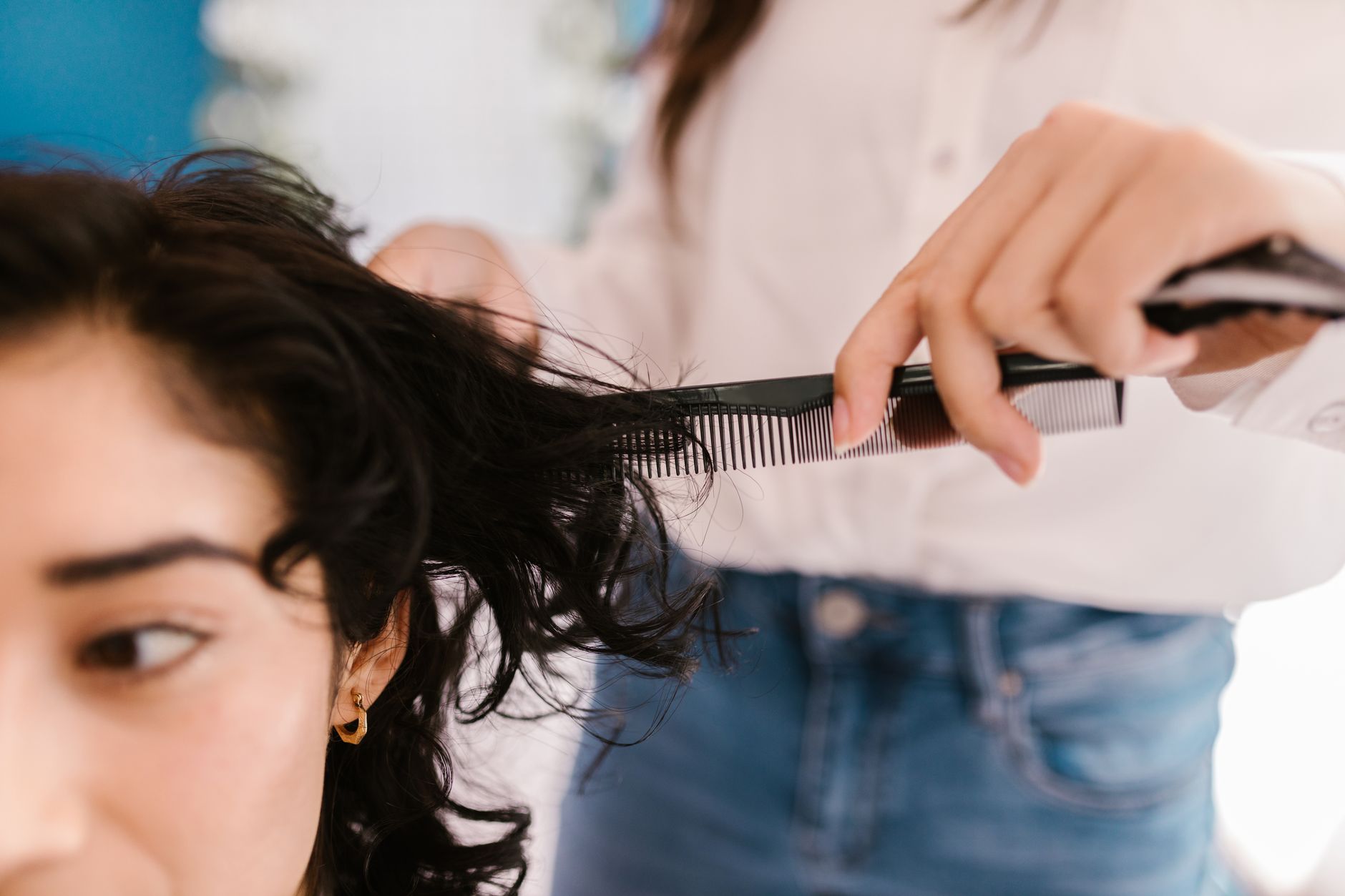
Cutting curly hair can seem intimidating, especially for beginners. However, with the right techniques and knowledge, you can achieve beautiful results without going to the salon. This guide will walk you through easy methods to trim curly hair at home, ensuring you maintain your natural shape and bounce.
Curly hair requires special care and cutting techniques that differ from straight hair. Let’s dive into the essential steps and tips to help you confidently cut your curly locks at home.
How to Cut Curly Hair?
To cut curly hair successfully, you need to understand its unique structure and texture. The cut should enhance your curls’ natural form while preventing frizz and encouraging definition. Here’s a practical guide to cutting curly hair at home.
Understanding Curly Hair
Curly hair is diverse, ranging from loose waves to tight coiled curls. Understanding your curl type is crucial as it influences how you should cut and style your hair. Here’s a brief overview:
- Type 1: Straight hair, no curl.
- Type 2: Wavy hair, with a loose S-shape.
- Type 3: Curly hair, with defined ringlets.
- Type 4: Coily hair, very tight curls with a zigzag pattern.
Identifying your curl type helps determine the best cutting techniques. Type 3 and 4 curls may need different methods than Type 2 waves.
Tools You Will Need
Gathering the right tools is essential for a successful haircut. Here’s what you need:
- Sharp haircutting scissors (avoid using regular household scissors).
- A fine-toothed comb or a wide-toothed comb (for detangling).
- A spray bottle filled with water (to keep curls moistened).
- A cape or towel (to protect your clothes and catch hair).
- Hair clips (to section the hair while cutting).
Preparing Your Hair
Before cutting, prepare your hair to ensure the best results. Here are the steps to follow:
- Wash and condition: Start with clean, newly washed hair. Use a sulfate-free shampoo and a hydrating conditioner tailored for curly hair.
- Drying: Allow your hair to air dry or use a diffuser on a low heat setting to avoid frizz. It’s often best to cut curly hair when it’s dry, as this allows you to see how the curls naturally fall.
- Detangle: Use a wide-toothed comb to carefully detangle any knots. This is especially important to avoid cutting any tangled hair.
Cutting Techniques for Beginners
There are several cutting techniques suitable for curly hair. Here are some beginner-friendly methods:
The Curly Cutting Method
This method enhances natural curls and minimizes frizz. It is one of the most popular techniques for cutting curly hair.
- Section Your Hair: Divide your hair into four sections using clips. This makes it easier to manage.
- Start Cutting: Take one section and gently pull it to a straightened position without stretching the curl. Cut off the desired length, using small snips instead of a straight cut. This helps preserve the bounce and shape of the curl. Repeat for all sections.
- Taper the Ends: For a softer look, point-cut the ends instead of cutting straight across. This involves snipping into the ends at an angle to prevent blunt ends.
The DevaCut Technique
The DevaCut is another famous method that focuses on cutting curls while they are dry, so you can see the final shape.
- Dry Hair: Start with fully dry hair to understand how your curls fall.
- Identify the Shape: Look for the overall shape of your hair. Take sections of curls and examine their individual curl pattern.
- Cut in Curls: Hold individual curls between your fingers and snip at an angle, following the natural curl shape. This method ensures that you only cut what’s necessary without losing volume or shape.
Trimming Bangs on Curly Hair
If you want to add bangs or trim existing ones, the following steps can help keep your curls looking great:
- Section Off the Bangs: Use a comb to section off the hair that will be your bangs, separating it from the rest of the hair.
- Dry or Wet: Decide whether to cut bangs wet or dry. Many prefer cutting dry to see the final shape.
- Start Cutting: Pull the bangs forward and cut at an angle. Avoid cutting straight across—this can create an unflattering bluntness. Instead, point cut into the bangs to feather them out for a softer effect.
Common Mistakes to Avoid
Cutting curly hair can lead to mistakes if you aren’t careful. Here are some common pitfalls to avoid:
- Cutting Wet Hair: Cutting curly hair when wet may result in a very different length once it dries, leading to too short cuts.
- Being Too Ambitious: Start with small trims instead of making drastic changes. You can always cut more later if needed.
- Ignoring Natural Curls: Cutting without considering your curl pattern can lead to unevenness and unflattering shapes.
Aftercare for Curly Hair
Once you’ve completed your cut, it’s essential to maintain the health of your curls. Here’s how:
- Moisturizing: Use a leave-in conditioner or curl cream to help define your curls and combat dryness.
- Avoid Heat: Limit the use of heat tools to prevent damage. Embrace natural drying when you can.
- Regular Trims: Schedule trims every 8-12 weeks to keep your curls healthy and remove split ends.
Final Tips for Beginner Haircuts
As you train yourself to cut curly hair, keep these final tips in mind:
- Practice: The more you cut, the better you will become. Practice on your own hair regularly.
- Use Mirrors: Have a good view of your hair from all angles. A double mirror setup can be helpful.
- Consider Professional Help: If you feel unsure, it’s perfectly okay to consult with a professional stylist who specializes in curly hair to learn techniques.
Learning how to cut curly hair may take time, but with these techniques and tips, you’ll be well on your way to achieving manageable, beautiful curls right in the comfort of your own home.
For those growing their skills further, you may also be interested in learning how to cut your own hair or exploring the trendy curtain bangs technique. Embrace your curly journey and enjoy your hair transformation!