
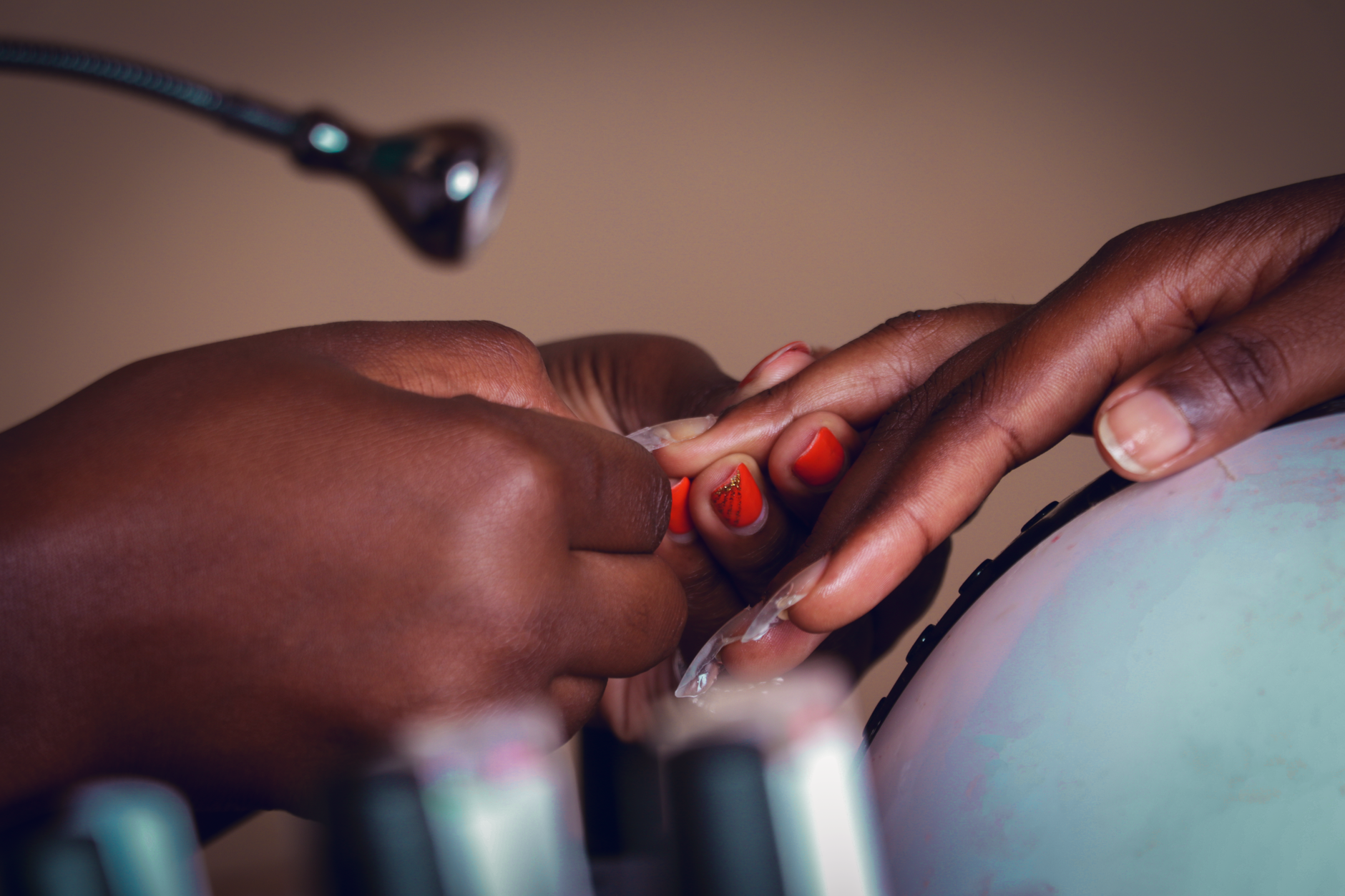
Nail biting, or onychophagia, is a common habit that many individuals struggle to break. It often begins in childhood or adolescence and can persist into adulthood. Beyond affecting the appearance of nails, this habit can lead to various issues like skin infections, damage to teeth, and anxiety. Fortunately, there are effective strategies to overcome nail biting and improve nail health.
This guide will explore practical habits, tricks, and nail-care tips that can help you stop biting your nails and develop healthier habits. Whether you want to keep your nails looking polished or just want to stop a nervous habit, there is something here for everyone.
How to Stop Biting Nails?
To stop biting nails, it’s essential to understand the behavior’s triggers and replace the habit with healthier alternatives. Incorporating mindfulness, using barrier methods, and establishing a robust nail-care routine can significantly aid in breaking this cycle.
Understanding the Habit of Nail Biting
Before diving into strategies for stopping nail biting, it’s important to understand why people bite their nails. This habit can stem from various factors, including:
- Stress and Anxiety: Many individuals bite their nails in moments of stress or anxiety as a coping mechanism.
- Boredom: Nail biting can sometimes occur when someone is bored or distracted.
- Habit Formation: For some, nail biting simply becomes a habit that is hard to break.
- Imitation: Children often mimic behaviors they see in those around them.
Understanding these triggers can help you develop effective strategies to counter them.
Establishing Mindfulness
One of the first steps in breaking the nail-biting habit is to increase your awareness of when and why you bite your nails.
Keep a Journal
Document your nail-biting instances in a journal. Note the time, situation, feelings, and thoughts surrounding the event. This can help you identify patterns and triggers, which is vital for developing strategies to combat the habit.
Meditation or Deep Breathing
Practicing mindfulness techniques like meditation and deep breathing can help alleviate anxiety and stress that often trigger nail biting. Allocating just a few minutes a day for mindfulness can lead to reduced stress levels.
Using Physical Barriers
Creating a physical barrier can help you resist the urge to bite your nails. Here are some effective methods:
Bitters and Deterrent Nail Polishes
Applying a bitter-tasting nail polish can serve as a deterrent. These polishes are designed to taste unpleasant, making the habit less appealing. Many brands offer formulas specifically for this purpose. Be diligent about reapplying it to maintain effectiveness.
Wearing Gloves or Nail Guards
Wearing gloves can serve as a physical barrier that prevents access to your nails. Similarly, nail guards can be applied over the nails to protect them and serve as a constant reminder to keep your hands away from your mouth.
Regularly Groomed Nails
Maintaining well-groomed nails can reduce the desire to bite them. When your nails look good and are well-maintained, you may be less likely to want to ruin their appearance. Consider getting regular manicures, or adopt a routine at home.
Building a Nail-Care Routine
Establishing a nail care routine not only improves the appearance of your nails but can also enhance your motivation to stop biting them. Here are essential steps to include:
1. Regular Trimming
Keep your nails short. Regularly trimming your nails can reduce the temptation to bite them and make it easier to maintain a polished appearance.
2. Moisturizing the Cuticles
Incorporating cuticle oil into your routine helps keep your nails and surrounding skin healthy and hydrated, promoting growth and maintaining a well-groomed appearance. This reduces the likelihood of wanting to bite due to the dryness or irritation.
3. Hydration and Nutrition
A healthy diet contributes to strong nails. Consider including foods rich in biotin, zinc, and vitamins A, C, and E. Staying fully hydrated is also essential for maintaining nail health.
4. Nail Strengtheners
Nail strengtheners are products that help make your nails less prone to breaking. Look for products that contain ingredients like keratin, calcium, or proteins. Using these products can give you a sense of pride in your nails and reduce the likelihood of biting.
Developing Replacement Habits
Replacing the habit of biting your nails with healthier alternatives is key to overcoming this challenge.
Identify Triggers
Understanding your triggers is essential for finding better alternatives. For example, if you find yourself biting your nails when feeling anxious, try to identify alternative ways to cope with stress such as squeezing a stress ball or fidget spinner.
Keep Your Hands Busy
Find activities that keep your hands occupied. Crafts, knitting, or even squeezing a stress ball can direct your energy and focus away from nail biting.
Mindful Observation
If you catch yourself reaching for your nails, take a moment to pause. Practice mindful observation for a brief time. Ask yourself why you feel the urge and whether there’s a better option available at that moment.
Set Achievable Goals
Setting small, achievable goals can help you remain motivated while breaking the nail-biting habit.
Short-Term Goals
Start with a short commitment, such as two weeks. Reward yourself for achievements, like a new polish or nail treatment, which encourages continued success.
Long-Term Goals
As you progress, set long-term goals. Aim for having healthy nails and steadily increasing the time between nail bites. Overcoming nail biting will take time and patience.
Seeking Support
Although the journey to stop biting your nails can be challenging, seeking support can make a significant difference.
Join Support Groups
Consider joining support groups or online forums where individuals share their struggles and successes in overcoming nail-biting. Connecting with others can provide motivation and encouragement.
Talk to a Professional
If you find that nail biting becomes a compulsive behavior impacting your daily life, consider talking to a mental health professional. They can help you identify underlying issues and suggest coping strategies.
Common Mistakes to Avoid
It’s important to be aware of common pitfalls that can hinder progress. Here are some mistakes to avoid:
- Overly Restrictive Measures: Avoid being too hard on yourself. Punishing yourself can lead to more anxiety and exacerbate the nail-biting habit.
- Ignoring Triggers: If you don’t recognize or address your triggers, it will be challenging to stop. Make sure you have identified them to apply the appropriate methods effectively.
- Neglecting Nail Care: For your journey to be successful, prioritize nail care. Ignoring it can lead to less motivation to stop biting, reinforcing old habits.
Maintaining Nail Health
Once you’ve successfully stopped biting your nails, maintaining nail health becomes a priority. Here are some additional tips:
1. Regular Manicures
Consider regular manicures to keep your nails looking polished and well-groomed. Pampering your nails can enhance your motivation to maintain your progress.
2. Protect Your Nails
When engaging in activities that could potentially harm your nails, use gloves. Keeping nails protected from harsh chemicals or physical damage contributes to overall nail health.
3. Ongoing Self-Care
Continue to practice good self-care routines. Invest time in relaxation techniques, and make sure to hydrate and nourish your body, which plays a vital role in nail health.
Conclusion
Overcoming the habit of nail-biting takes time, patience, and a commitment to change. By understanding your triggers, employing effective strategies, and maintaining a solid nail-care routine, you can successfully break the habit and enjoy beautiful, healthy nails. Remember that progress is different for everyone, so be patient with yourself as you navigate this journey.
For further guidance on maintaining beautiful nails, consider checking out our articles on how to remove gel nail polish and how to remove nail glue. Explore these resources to ensure your nail care routine is as effective as possible.