
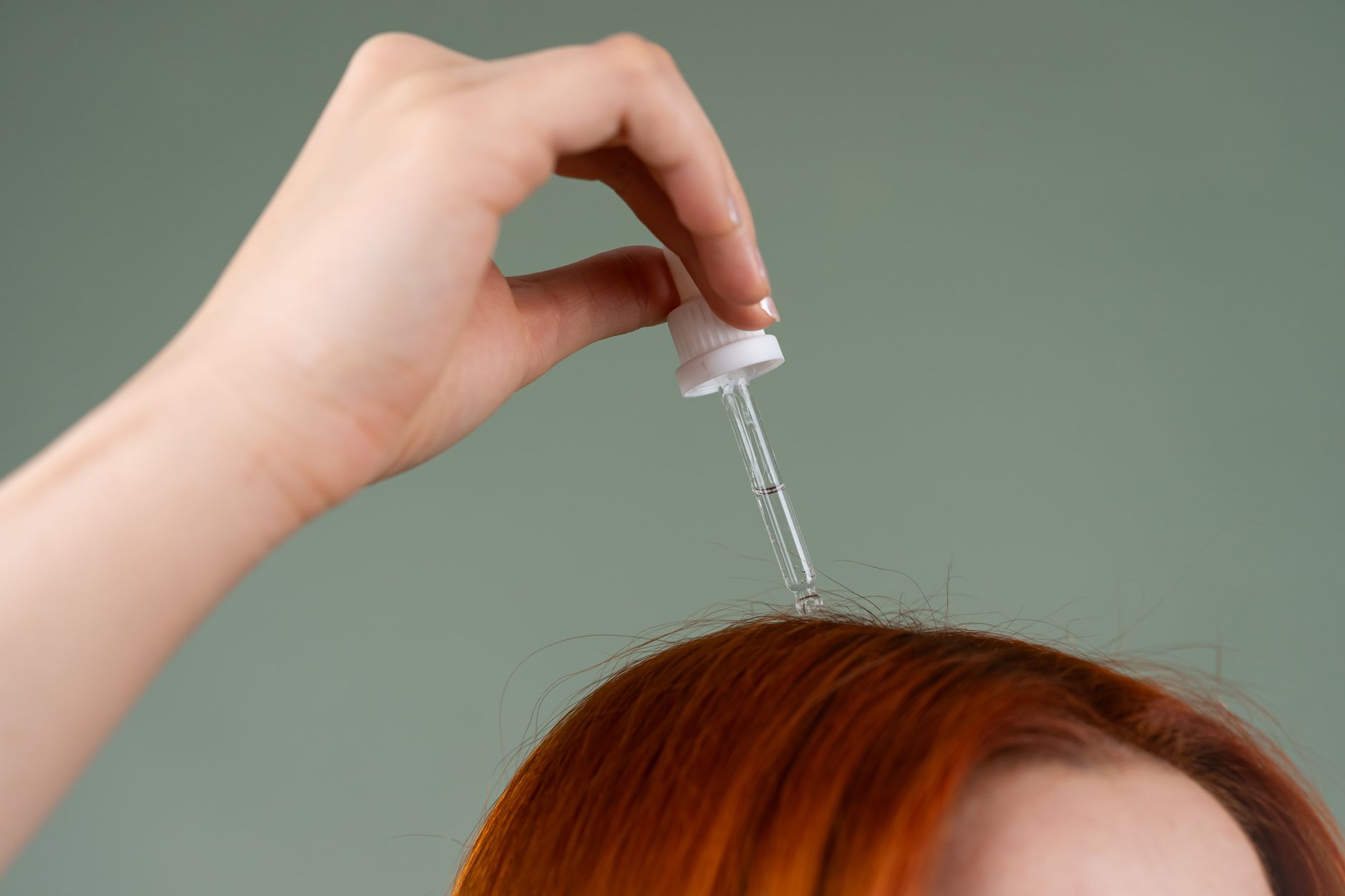
Dealing with oily hair can be frustrating. If you constantly find yourself battling grease just a day after washing, you are not alone. Understanding the triggers for oily hair and how to manage it can lead to healthier-looking hair and a more confident you.
This article will explore the reasons your hair may be so oily, offer practical tips for prevention, and help you identify the right haircare products and routines to tackle excess oil.
Why Is My Hair So Oily?
Oily hair can result from several factors, including overactive sebaceous glands, hormonal fluctuations, product buildup, and environmental influences. It is important to recognize these triggers to effectively combat oiliness and adopt the right care methods.
The Science Behind Oily Hair
Understanding Sebum Production
Your scalp naturally produces a substance called sebum, which is an oil secreted by sebaceous glands. Sebum’s primary role is to moisturize and protect your scalp and hair follicles. However, an overproduction of sebum can lead to oily hair.
Factors Affecting Sebum Production
- Genetics: If your parents had oily hair, there is a chance you might, too.
- Hormones: Hormonal changes, such as those during puberty, menstruation, pregnancy, or menopause, can enhance sebum production.
- Diet: A diet high in processed foods, sugars, and unhealthy fats may contribute to increased oiliness in hair.
- Climate: Humid or hot environments can increase sweat and oiliness on the scalp.
- Washing habits: Over-washing hair can sometimes lead to an increase in oil production as the scalp compensates for dryness.
Common Triggers of Oily Hair
Several lifestyle habits and biological factors contribute to excess oil in hair. Identifying these triggers can help you address the issue more effectively.
Washing Habits
Surprisingly, washing your hair too frequently can lead to oiliness. This happens because the scalp compensates for the loss of natural oils by producing even more sebum. Ideally, aim to wash your hair every two to three days, depending on your unique hair type and oil production levels.
Product Buildup
The use of heavy styling products such as gels, pomades, and oils can accumulate on the scalp and hair, leading to a greasy look. It’s essential to choose the right products based on your hair type and to cleanse regularly to remove buildup.
Dietary Choices
Your eating habits can significantly affect the oiliness of your hair. A diet high in unhealthy fats and sugars can stimulate oil production, while foods rich in vitamins and healthy fats promote healthy, balanced sebum production.
Hormonal Fluctuations
Changes in hormones, whether from puberty, menstrual cycles, or medical conditions, can trigger increased sebum production. Understanding your body’s cycles and how they correlate with your hair’s oiliness can help you better manage the issue.
Heat and Humidity
Weather conditions play a role in hair oiliness. High humidity can make your hair feel greasier faster as perspiration mixes with sebum, adding to the greasy appearance. Adapt your hair care routine based on the season or climate you are in.
Prevention Tips
Now that you better understand the causes of oily hair, here are some practical tips for prevention and management.
Choosing the Right Shampoo
- Look for shampoos labeled “clarifying” or “oil control” to effectively remove excess oil.
- Avoid harsh sulfates that can strip hair of moisture, leading to overcompensation by the scalp.
- Consider using a dry shampoo between washes to absorb excess oil without drying out your scalp.
Proper Washing Techniques
- Wet your hair thoroughly with lukewarm water. Too hot can stimulate oil production.
- Apply a quarter-sized amount of shampoo to your scalp, concentrating on the roots.
- Massage the shampoo into your scalp using your fingertips (not nails) to avoid irritation.
- Rinse thoroughly and follow with conditioner, applying it only to the ends of the hair to avoid added oil at the roots.
Adjusting Your Routine
Consider a hair washing schedule that suits your hair type. For instance, if your hair gets oily quickly, washing it every other day may be necessary. However, if you have thicker hair, you may find extending the time between washes suitable.
Watch Your Diet
Incorporate foods rich in omega-3 fatty acids (like fish and walnuts) and antioxidants (fruits and vegetables) into your diet. Staying hydrated also helps maintain a healthy balance of oils on your scalp.
Mind Your Products
- Avoid using heavy creams and oils that can weigh hair down and contribute to oiliness.
- Don’t overload on styling products; a pea-sized amount is usually sufficient.
- Look for lightweight products specifically designed for oily hair.
Scalp Care
Don’t neglect your scalp; it requires regular care to maintain balance. Exfoliating treatments, such as a scalp scrub, help remove buildup and excess oil. Additionally, tea tree oil has natural antibacterial properties and can aid in balancing oil production when diluted and used cautiously.
Hair Types and Their Relation to Oiliness
Your hair type can play a significant role in how oily it becomes. Here’s a breakdown of various hair types and their oiliness tendencies.
Fine Hair
Fine hair tends to get oily more quickly since the oil travels down the hair shaft faster. Regular washing with a volumizing shampoo can help lift roots and keep the hair looking fresh.
Thick Hair
Thick hair may not necessitate washing as frequently since oil can take longer to travel down the hair shaft. A good practice is to focus on cleansing the scalp and roots rather than the lengths.
Curl Pattern and Texture
Curly and textured hair types often require less frequent washing due to their natural dryness. However, they can still experience oiliness if the scalp is not properly cared for. Be mindful of product choices and opt for lighter options to avoid excess oil accumulation.
Common Mistakes and How to Avoid Them
- Over-washing: Washing hair daily can strip natural oils, causing the scalp to produce more oil.
- Neglecting the Scalp: Focusing solely on the hair length while ignoring the scalp can lead to imbalance.
- Skipping Conditioner: Using a lightweight conditioner is crucial for all hair types. Just apply it to the ends.
- Using Too Much Product: Less can be more, especially when it comes to oils and heavy styling products.
When to Consult a Professional
If you’ve tried various methods to reduce oiliness without success, it may be time to consult a professional. A dermatologist or trichologist can guide whether there is an underlying condition that needs addressing. This may include hormonal imbalances or other scalp issues.
Final Thoughts
Oily hair can be managed with the right approach and understanding of its causes. By reviewing your haircare routine, product selections, and dietary habits, you can find solutions that work for you. Remember, patience is key; achieving balance may take time, but with dedication, you can enjoy healthier, less oily hair.
To deepen your understanding of hair care, check out our articles on why hair gets greasy so fast and how often to wash hair. Your journey to manageable and beautiful hair can benefit from a wealth of information available at your fingertips.