
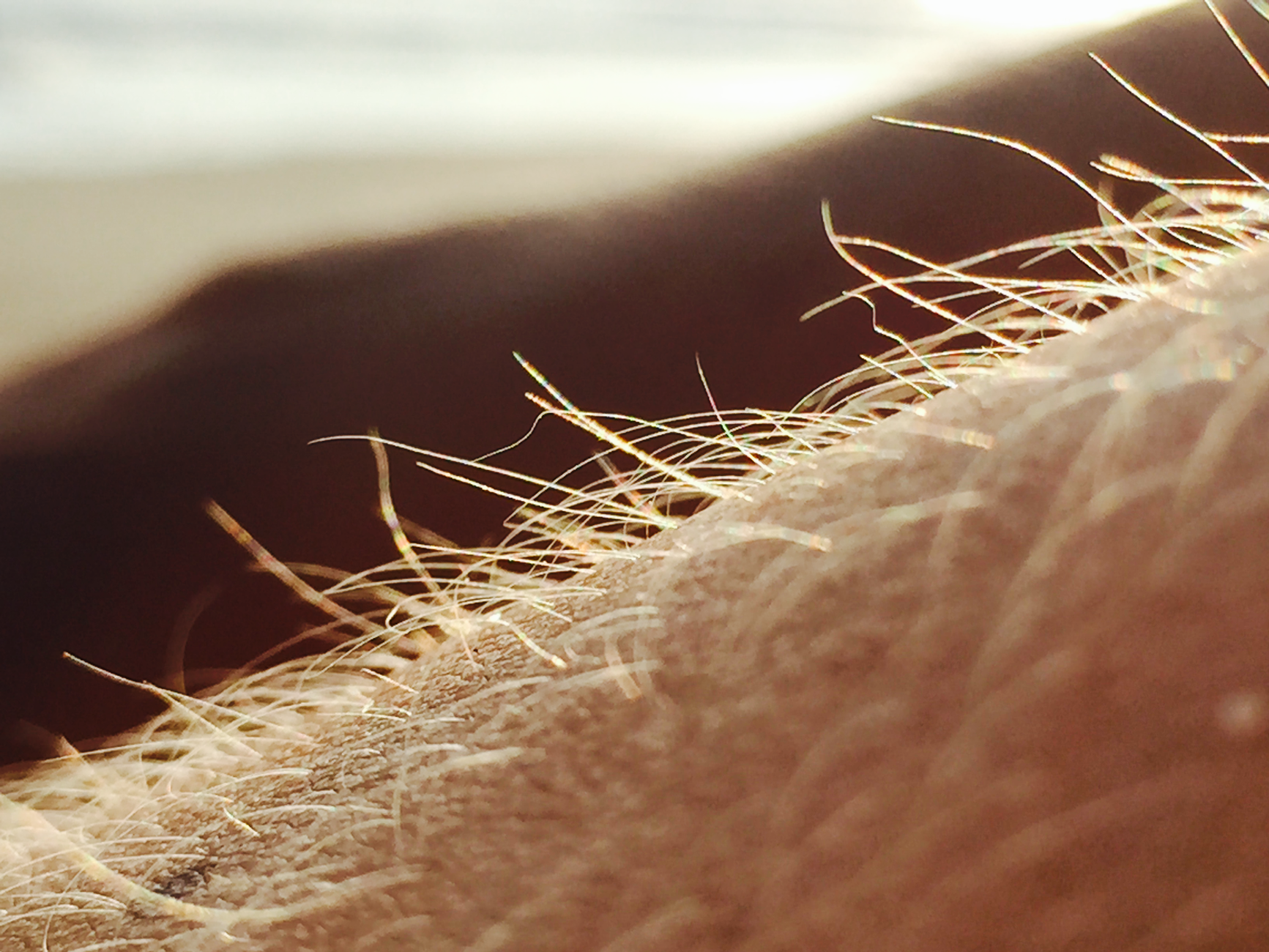
Ingrown hairs can be an unwelcome nuisance, often causing discomfort and irritation. Many people experience ingrown hairs during hair removal processes like shaving or waxing. Understanding what ingrown hairs look like is essential to identifying them early and preventing potential complications. In this guide, we’ll explore the appearance of ingrown hairs, common signs, and some practical tips for management.
Ingrown hairs occur when a hair grows back into the skin instead of outward, leading to bumps, redness, and sometimes even inflammation. By recognizing the symptoms and learning how to treat them, you can minimize discomfort and promote healthier skin.
What Does an Ingrown Hair Look Like?
Ingrown hairs typically manifest as small, raised bumps on the skin. These bumps may appear red or inflamed and can be accompanied by visible hair trapped underneath the skin surface. Sometimes, ingrown hairs can also develop into pus-filled lesions. To visualize these differences, refer to the accompanying photos that demonstrate various appearances and stages of ingrown hairs.
Common Characteristics of Ingrown Hairs
- Red or inflamed bump: The most common sign is a small red or pink bump on the skin’s surface.
- Visible hair: You might see the hair growing sideways under the skin or curled back into the skin.
- Pus-filled lesions: In severe cases, the ingrown hair can become infected, leading to a larger bump with pus.
- Itching or tenderness: The area may feel itchy, sensitive, or even painful to the touch.
How to Identify an Ingrown Hair
Identifying an ingrown hair is often straightforward if you know what to look for. Here are some steps to help you recognize them:
- Examine the skin: Look for raised bumps, especially around areas where you frequently shave or wax.
- Check for visible hair: Look for any hair that appears to be trapped beneath the skin surface or growing in an unusual direction.
- Assess for signs of infection: Pay attention to any increasing redness, swelling, or tenderness, which could indicate infection.
What Causes Ingrown Hairs?
Ingrown hairs can occur for several reasons. Understanding these factors can help you prevent them in the future:
- Improper shaving techniques: Shaving too closely, using dull blades, or shaving against the hair growth direction can contribute to ingrown hairs.
- Curly hair texture: People with curly or coarse hair are more prone to ingrown hairs due to the natural curling of the hair shaft.
- Dead skin build-up: Excessive dead skin cells can clog hair follicles, trapping hair beneath the surface.
- Wearing tight clothing: Tight clothing can irritate hair follicles and may contribute to hair becoming trapped.
Preventing Ingrown Hairs
While it may not be possible to eliminate ingrown hairs completely, several preventive measures can help reduce their occurrence:
- Exfoliate regularly: Gently exfoliate the skin one to two times per week to remove dead skin cells and clear hair follicles.
- Use sharp, clean razors: Always use a sharp razor when shaving and replace blades regularly to avoid irritation.
- Shave in the right direction: Shave in the direction of hair growth rather than against it to minimize irritation.
- Moisturize your skin: Keep skin well-hydrated with suitable moisturizers to maintain its softness and flexibility.
- Opt for hair removal alternatives: Consider other methods of hair removal, like laser hair removal or depilatory creams, that might reduce the risk of ingrown hairs.
What to Do If You Have an Ingrown Hair
If you discover an ingrown hair, it’s important to handle it appropriately to avoid infection and irritation. Here’s a practical approach to manage ingrown hairs:
- Do not pick or squeeze: Resist the urge to pick at the ingrown hair, as this can lead to infection.
- Apply a warm compress: A warm compress can help soothe the area and may encourage the hair to break through the skin.
- Use topical treatments: Creams containing salicylic acid or benzoyl peroxide can help reduce inflammation and clear skin.
- Exfoliate gently: If the ingrown hair is close to the surface, gentle exfoliation may allow it to emerge.
- Consult a professional: If the ingrown hair becomes infected or significantly bothersome, consult a healthcare professional or dermatologist for further treatment.
Ingrown Hair Treatments
For those who frequently experience ingrown hairs, a variety of treatment options can help alleviate symptoms and prevent future occurrences. Depending on the severity and symptoms of the ingrown hair, you may consider:
- Over-the-counter remedies: Look for products specifically designed to treat ingrown hairs, often containing ingredients like salicylic acid.
- Prescription topical treatments: In severe cases, a dermatologist may prescribe stronger topical medications to address inflammation or infection.
- Laser hair removal: This method can reduce hair growth and significantly minimize the chance of ingrown hairs.
- Hair removal techniques: Switching from shaving to waxing or laser treatments can also help reduce the occurrence of ingrown hairs.
Signs of Infection
Not all ingrown hairs become infected, but it’s important to recognize signs of infection should they arise. Take note of the following symptoms:
- Increased redness: Noticeably red or swollen skin around the bump.
- Persistent pain: Increased tenderness upon touch that doesn’t diminish.
- Discharge: Pus or other fluid leaking from the bump.
- Fever: Developing a fever could indicate a systemic infection.
If you observe any signs of infection, it is advisable to seek medical attention for proper diagnosis and treatment.
Simplifying Your Hair Removal Routine
Having an effective hair removal routine can lower your chances of developing ingrown hairs. Here’s how to simplify your process:
- Choose the right tools: Invest in a good razor or hair removal device that suits your skin type and hair texture.
- Prepare your skin: Always begin with clean, moisturized skin before hair removal.
- Follow directions: Follow the specific instructions for any hair removal products, whether shaving cream or wax.
- Post-care routines: Use soothing aftercare products to calm the skin post-hair removal.
When to See a Dermatologist
While ingrown hairs are often manageable at home, certain situations warrant a visit to a dermatologist:
- Recurring ingrown hairs: If you frequently experience them despite trying preventive measures, a professional can help.
- Severe discomfort: If ingrown hairs are consistently painful or bothersome, it’s best to seek further evaluation.
- Signs of infection: In case of pus, increased redness, or other infection signs, do not hesitate to reach out to a professional.
Conclusion
Ingrown hairs can be an uncomfortable and visually unappealing skin concern that many face due to various hair removal methods. By identifying their appearance and understanding preventive measures and treatments, you can minimize their occurrence and manage them effectively when they do occur. If ingrown hairs become a persistent issue, it’s wise to consult with a healthcare provider for tailored advice and solutions.
For further information on skin care and hair removal, explore our related beauty guides, including how to get rid of razor bumps on the pubic area overnight and how to treat razor bumps on the pubic area.