
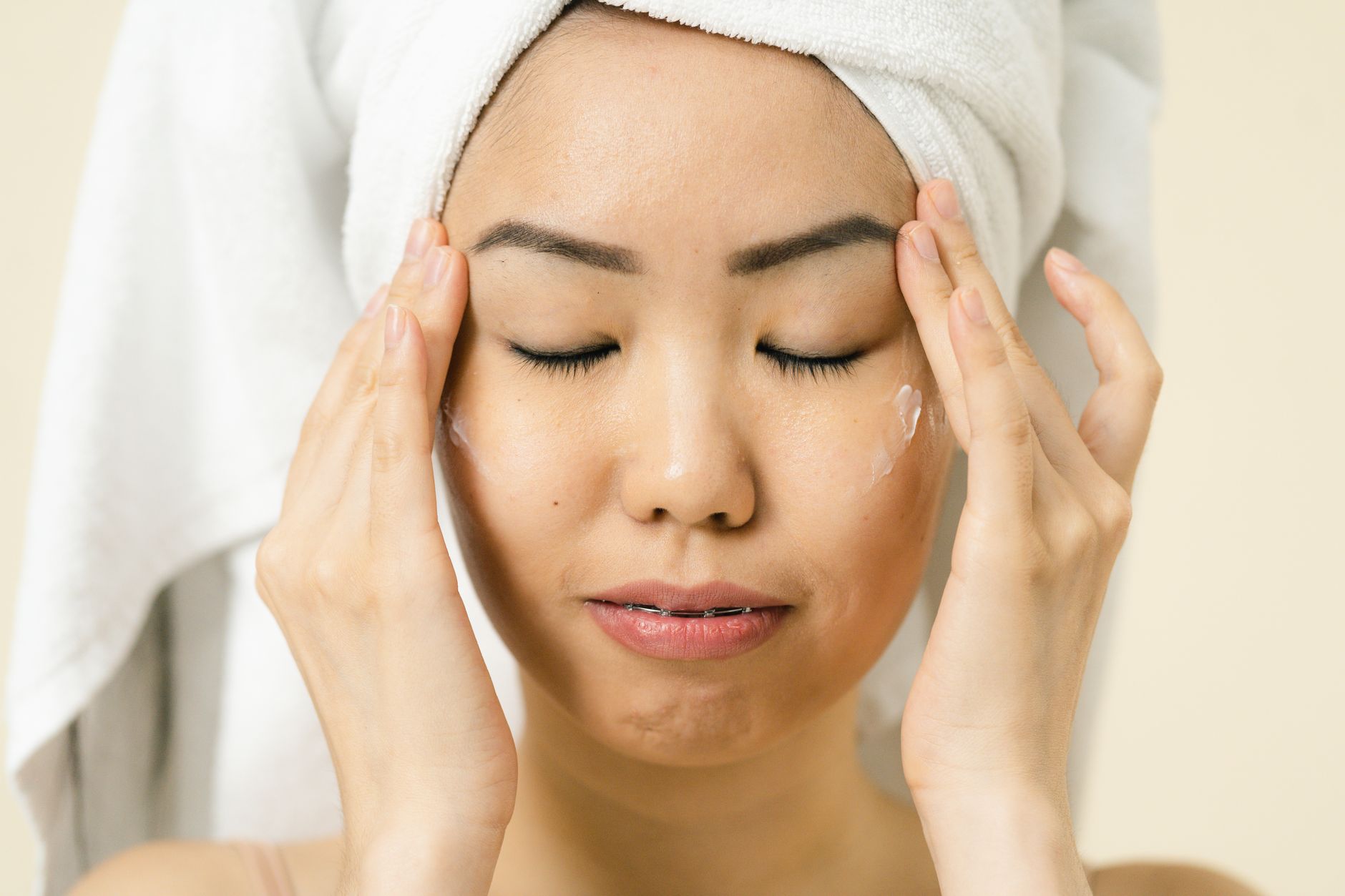
Tretinoin is a powerful derivative of vitamin A, widely used in skincare for its ability to treat various skin concerns. It is commonly prescribed to address issues such as acne, fine lines, and hyperpigmentation. This article explores what tretinoin is, how it works, its benefits, and possible side effects to help you make informed decisions about incorporating it into your skincare routine.
Understanding tretinoin can empower you to choose products that suit your skin’s needs while setting realistic expectations for how your skin may respond to treatment.
What Is Tretinoin?
Tretinoin is a topical retinoid, a class of compounds derived from vitamin A designed to improve skin texture and appearance. It works by increasing cell turnover, which helps to unclog pores, reduce inflammation, and stimulate collagen production. As a result, it’s effective for managing acne, minimizing signs of aging, and treating sun-damaged skin.
Common Uses of Tretinoin
Tretinoin is primarily used for three main skin concerns:
- Acne: Tretinoin helps prevent the formation of new acne lesions by speeding up skin cell turnover and reducing oiliness.
- Fine Lines and Wrinkles: By promoting collagen synthesis, tretinoin can improve skin elasticity and reduce the appearance of fine lines.
- Hyperpigmentation: Tretinoin helps lighten dark spots and even out skin tone by accelerating skin cell exfoliation.
How Tretinoin Works
Tretinoin interacts with specific receptors in the skin cells, influencing gene expression related to skin growth and differentiation. This action leads to faster shedding of dead skin cells and the emergence of new ones, effectively keeping pores clear and promoting a youthful glow.
Benefits of Tretinoin
Tretinoin’s benefits extend beyond just clearing acne. Here are some of the main advantages of incorporating tretinoin into your routine:
- Clarity: Clearer skin by preventing acne and unclogging pores.
- Texture: Improved skin texture through increased exfoliation.
- Elasticity: Enhanced skin firmness and reduced sagging.
- Even Tone: Reduction in blemishes, sun spots, and discoloration, leading to a more uniform skin tone.
- Youthful Appearance: Diminished signs of aging for a rejuvenated look.
Choosing the Right Tretinoin Product
Tretinoin is available in various formulations, including creams, gels, and micro-emulsions. Here are some key factors to consider when choosing a product:
- Formulation: Creams are typically better for dry skin, while gels suit oily or acne-prone skin.
- Concentration: Tretinoin products come in different strengths, such as 0.025%, 0.05%, and 0.1%. Starting with a lower concentration can help your skin adjust.
- Consultation: Consulting with a dermatologist can provide personalized recommendations based on your skin type and concerns.
How to Incorporate Tretinoin into Your Routine
To effectively introduce tretinoin into your skincare routine, follow these steps:
- Cleanse: Start with a gentle cleanser to remove impurities.
- Wait: Allow your skin to dry completely to reduce irritation.
- Apply Tretinoin: Use a pea-sized amount and apply it evenly across your face, avoiding the eye area.
- Moisturize: Follow up with a hydrating moisturizer to minimize dryness.
- Sun Protection: Use sunscreen daily, as tretinoin can increase skin sensitivity to the sun.
Morning vs. Evening Use
It is generally recommended to apply tretinoin in the evening. This allows it to work overnight without interference from sunlight, which can break down the active ingredient. In the morning, cleanse and apply sunscreen as part of your routine.
Common Mistakes to Avoid
As with any active ingredient, there are common pitfalls when using tretinoin:
- Overuse: Applying too much product can lead to irritation. Remember, a little goes a long way.
- Using with Other Actives: Combining tretinoin with other strong active ingredients, like acids, can cause excessive dryness or irritation. Introduce new products gradually.
- Skipping Moisturizer: Not moisturizing can lead to dryness and peeling, so it’s essential to hydrate your skin.
- Ignoring SPF: Always wear sunscreen during the day to protect your skin’s sensitivity.
Results to Expect from Tretinoin
The timeline for results can vary between individuals. While many begin to see improvements in their skin within a few weeks, full results can take several months:
- Weeks 1-2: Initial dryness and peeling may occur as the skin adjusts.
- Weeks 4-6: Decreased acne breakouts and smoother skin texture are common.
- Months 3-6: Significant improvements in fine lines, wrinkles, and hyperpigmentation can be observed.
Patience and Consistency Are Key
It’s crucial to be patient and consistent with your tretinoin use. The skin needs time to adjust and heal, so don’t rush the process. Skipping applications or stopping unexpectedly can delay the results.
Potential Side Effects of Tretinoin
While tretinoin is beneficial, some users may experience side effects:
- Dryness and Peeling: Skin may become dry and flaky, especially in the initial stages.
- Redness: Irritation and redness can occur as the skin adapts.
- Burning Sensation: A mild stinging or burning sensation may be felt after application.
- Sun Sensitivity: Higher sensitivity to sunlight necessitates diligent sun protection.
Managing Irritation
If you encounter irritation, consider the following strategies:
- Limit the frequency of application (e.g., every other night).
- Incorporate a hydrating serum or moisturizer to soothe the skin.
- Use a gentle, non-exfoliating cleanser.
Who Should Use Tretinoin?
Tretinoin is suitable for a wide range of skin types and concerns, but it may not be for everyone:
- Acne-Prone Skin: Ideal for those struggling with persistent acne.
- Aging Skin: Beneficial for individuals concerned about fine lines and spots.
- Uneven Skin Tone: Helps to manage pigmentation issues.
Consult a Professional
If you have sensitive skin, are pregnant, or have specific skin conditions like eczema or rosacea, it’s essential to consult with a dermatologist before starting tretinoin. They can provide personalized advice and alternatives if necessary.
Conclusion
Tretinoin is a versatile skincare ingredient that can address various concerns from acne to signs of aging. With proper use and expectations, it can significantly enhance the quality of your skin. Start slowly, remain consistent, and give your skin the time it needs to adjust.
As a next step, consider familiarizing yourself with additional skincare techniques and routines to complement your use of tretinoin. Explore our guides on building a skincare routine, choosing the right cleanser, or understanding retinol alternatives.