
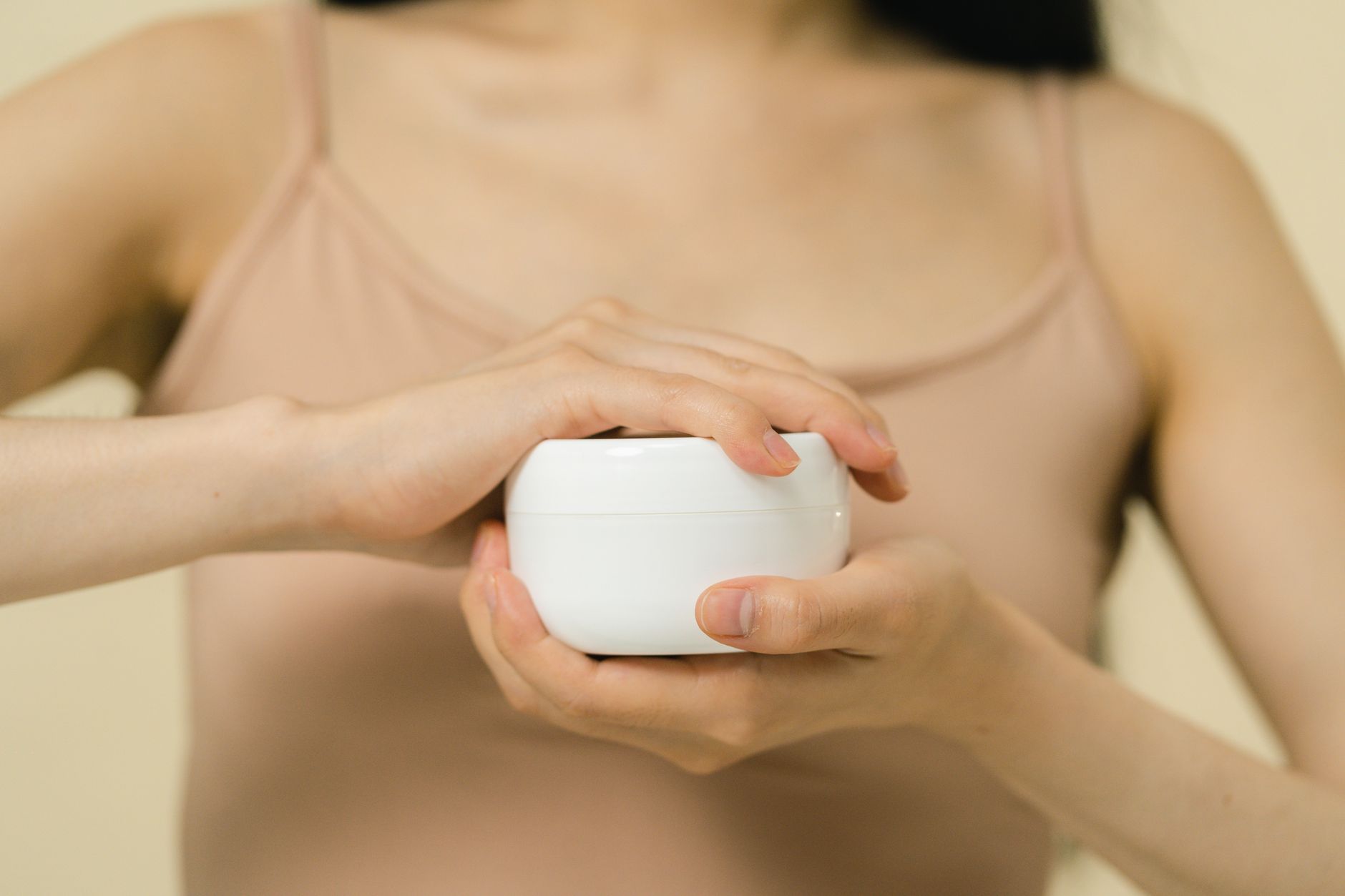
Lanolin is a waxy substance derived from sheep’s wool, often lauded for its moisturizing properties in the beauty and skincare industry. This natural ingredient is commonly found in a variety of products, thanks to its unique ability to mimic the lipids produced by human skin. In this article, we’ll explore what lanolin is, its benefits, common uses, and some tips for selecting products that contain this multifunctional emollient.
Whether you’re looking to soothe dry skin, protect your lips, or enhance your hair care regime, understanding how lanolin can fit into your beauty routine is essential. Let’s dive deeper into this remarkable ingredient.
What Is Lanolin?
Lanolin, also known as wool wax or wool grease, is a natural, yellowish substance extracted from the wool of sheep. It is primarily composed of cholesterol, fatty acids, and esters, which makes it highly effective as a moisturizer. Lanolin is often used in balms, creams, and lotions, due to its ability to create a protective barrier on the skin while retaining moisture.
What Are the Benefits of Lanolin?
Lanolin offers several benefits, making it a sought-after ingredient in the beauty world. Here are some of the key advantages:
- Intense Moisturization: Lanolin acts as an occlusive agent, trapping moisture in the skin, which is particularly beneficial for those with dry or dehydrated skin.
- Allergy-Friendly: Naturally derived from sheep’s wool, lanolin is hypoallergenic for many people, although a patch test is always advised for those with sensitive skin.
- Skin Barrier Support: Lanolin helps maintain the skin’s natural barrier, preventing moisture loss and protecting against harsh environmental factors.
- Soothing Properties: Its anti-inflammatory properties can help soothe irritated or chapped skin, making it a popular ingredient for lip balms and diaper rash creams.
- Versatile Uses: Beyond skincare, lanolin also benefits hair care by providing shine, softness, and reducing frizz when included in hair products.
Common Uses of Lanolin in Beauty Products
Lanolin can be found in numerous beauty products, serving various purposes:
- Moisturizers: Lanolin is widely used in creams and lotions for its deep moisturizing and barrier-supporting abilities.
- Ointments and Balms: Applied as a soothing agent in treatments for dry skin, chapped lips, or abrasions.
- Shampoos and Conditioners: Used in hair products, lanolin helps enhance moisture retention and adds a soft finish.
- Makeup Products: Found in foundations or lipsticks, lanolin can help improve texture and hydration.
- Diaper Creams: Its protective barrier properties make it useful in products designed for babies.
Should Everyone Use Lanolin?
While lanolin has many beneficial properties, it may not be suitable for everyone. Here are some considerations:
1. Skin Sensitivity: Some individuals may experience allergic reactions to lanolin or those sensitive to animal-derived ingredients should avoid it.
2. Vegan Alternatives: Lanolin is not vegan since it comes from sheep, so those following a vegan lifestyle might prefer alternatives like shea butter or plant oils.
3. Purity Levels: The purity of lanolin can vary between products, so read the labels carefully. Opt for products with higher purity to avoid potential irritation caused by impurities or additives.
Choosing the Right Products with Lanolin
When selecting beauty products containing lanolin, keep the following tips in mind:
- Check for Purity: Look for products that mention “pure lanolin” or have a high percentage of lanolin in their formulation.
- Read Labels: Always check the ingredient list for additional components to evaluate for potential allergens or irritants.
- Patch Test: Before fully incorporating a new lanolin product into your routine, perform a patch test on a small area of skin to check for any adverse reactions.
- Formulation Type: Depending on your needs (dry skin, oily skin, hair care), choose the appropriate formulation—creams, balms, lotions, or hair products.
How to Incorporate Lanolin into Your Skincare Routine
Lanolin can easily fit into both daytime and nighttime beauty routines. Here’s how:
Morning Routine
- Cleansing: Begin with a gentle cleanse to remove impurities and prepare your skin.
- Toning: Apply your favorite toner to balance the skin’s pH levels.
- Moisturizing: Use a moisturizer that contains lanolin to hydrate and lock in moisture throughout the day.
- Makeup Application: If using lanolin-based makeup, apply it after the moisturizer for better adhesion and a smooth finish.
Evening Routine
- Cleansing: Cleanse your skin thoroughly to remove makeup and daily dirt.
- Exfoliation: Exfoliate 2-3 times a week to remove dead skin and enhance absorption.
- Moisturizing: Apply a lanolin-rich moisturizer or overnight treatment to lock in hydration while you sleep.
Understanding Lanolin’s Texture and Application
Lanolin generally feels creamy and somewhat waxy in texture, which can make it an excellent emollient in formulating creamy skincare products. Here are some tips regarding its use:
- Layering: Lanolin can be layered over other skincare products to enhance moisture retention.
- Application Technique: Warm a small amount of lanolin in your hands and gently massage it into the skin for best results.
- Use Sparingly: Due to its occlusive nature, a little goes a long way, so use only what you need to avoid a greasy finish.
Tips for Specific Skin Types
Different skin types may benefit from lanolin in various ways. Here are tailored tips:
For Dry Skin
Those with dry skin can benefit significantly from lanolin’s moisturizing properties. Look for products that contain a higher concentration of lanolin and apply them regularly to maintain hydration levels.
For Oily or Acne-Prone Skin
If you have oily or acne-prone skin, be cautious when using products with lanolin. Opt for lightweight formulations that won’t clog pores, and consider using it sparingly as a targeted treatment for specific dry areas rather than all over.
For Sensitive Skin
Individuals with sensitive skin should always perform a patch test before full application. Look for products labeled as hypoallergenic and free from fragrances and artificial additives.
Common Misconceptions About Lanolin
As with many beauty ingredients, several myths can lead to confusion. Here are some common misconceptions about lanolin:
Myth 1: Lanolin is Only for Dry Skin
While lanolin excels at providing moisture, it can also support various skin types when used correctly if chosen appropriately.
Myth 2: Lanolin is Vegan
Lanolin is not plant-based, as it is sourced from sheep’s wool. Thus, it does not align with vegan principles.
Myth 3: Lanolin Can Cause Breakouts
While some people may experience breakouts when using occlusive ingredients, others find lanolin beneficial. Individual skin reactions vary widely, so personal experience is crucial.
Signs of Irritation and When to Stop Using Lanolin
As wonderful as lanolin can be, some individuals might experience irritation or allergic reactions. Look out for:
- Redness or rash on the application area.
- Excessive itching or discomfort.
- Breakouts or worsening of existing skin issues.
If any of these symptoms occur, discontinue use immediately and consult a dermatologist for personalized advice.
Conclusion
Lanolin is a versatile and effective ingredient that can enhance your skincare and beauty routine. Whether you struggle with dry skin, chapped lips, or unmanageable hair, including lanolin-containing products can help. By understanding its properties, selecting suitable products, and using them within a tailored routine, you can seamlessly incorporate lanolin into your beauty regimen.
For those looking to further explore the world of beauty, consider reading about how to create a flawless skincare routine or the benefits of natural oils in your daily care. Stay curious and engaged with your beauty journey!