
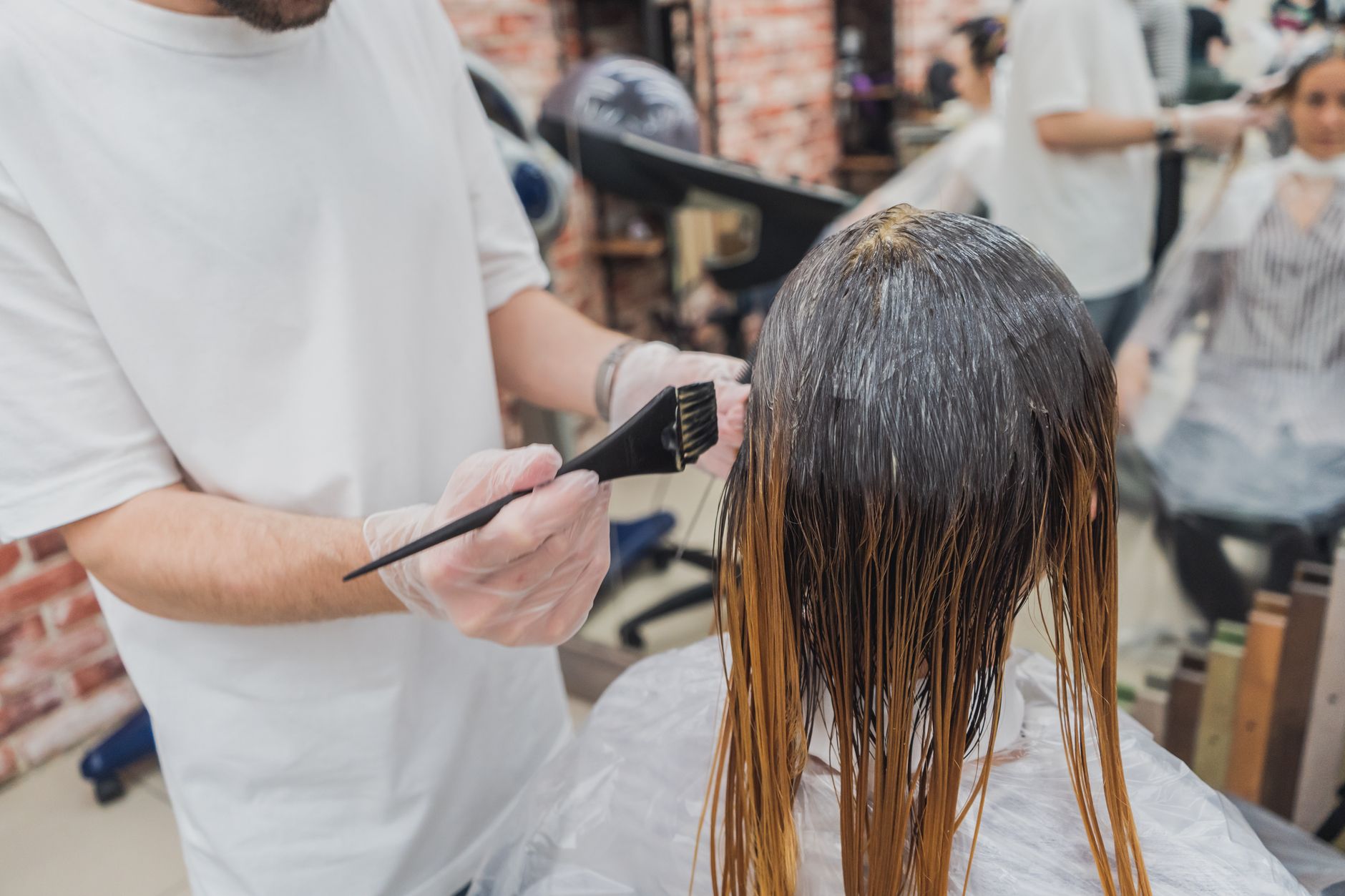
Choosing the right hair dye is only half the battle; how long to leave hair dye in is just as crucial for achieving the vibrant look you desire. The duration can vary depending on the type of dye you’re using and your hair’s unique characteristics. In this guide, we’ll dive into the typical timelines for different hair dyes and provide tips for achieving the best results.
Understanding how long to leave hair dye in can save you from undesirable outcomes, like patchy color or, conversely, a lack of vibrancy. From permanent to semi-permanent and temporary colors, this comprehensive article will equip you with the knowledge you need to get the most out of your dyeing experience.
How Long to Leave Hair Dye in?
The time to leave hair dye in typically ranges from 20 to 60 minutes, depending largely on the product used and the result desired. Here’s a closer look at specific types of hair dyes and their recommended application times.
Permanent Hair Dye
Permanent hair dye is designed to provide long-lasting color that doesn’t wash out. Generally, you should leave permanent dye on your hair for:
- 20 to 40 minutes for full color development
- 35 to 60 minutes for optimal gray coverage
Why the Timing Matters
Leaving permanent dye on your hair for too short a period can result in uneven color, while leaving it on too long can damage your hair. Follow the instructions on the product packaging closely, as each brand may have specific guidelines.
Semi-Permanent Hair Dye
Semi-permanent hair dye doesn’t penetrate the hair shaft like permanent dye and typically lasts for 4 to 12 shampoos. For semi-permanent dyes, the recommended application time is:
- 20 to 40 minutes, depending on the brand
While it is less damaging than permanent dye, leaving it on longer can still lead to a more intense color than intended. For optimal results and to maximize the duration of the color, check the manufacturer’s advice.
Temporary Hair Dye
Temporary dyes coat the hair rather than penetrate it and usually last until your next shampoo. They are perfect for trying a new color without a long-term commitment. The application time for temporary dyes typically ranges from:
- 5 to 20 minutes
With temporary colors, the shorter time will usually produce more subtle tones, while leaving the dye in for the full duration can offer vibrancy.
Factors Affecting Hair Dye Processing Times
Your individual hair characteristics will greatly impact how long you should leave dye in:
- Hair Type: Fine hair can absorb color more quickly than coarse hair.
- Hair Condition: Damaged or over-processed hair may absorb color faster, requiring shorter processing times.
- Desired Intensity: If you prefer a more vibrant color, you may want to leave the dye in for the full recommended time.
A Step-by-Step Guide to Dyeing Your Hair
- Choose Your Color: Select a hair dye suited to your desires and hair type.
- Perform a Patch Test: Always conduct a patch test at least 48 hours before actual application to check for allergies.
- Prep Your Hair: Clean and detangle your hair for a smooth application.
- Follow the Instructions: Read and follow the directions on the dye box carefully.
- Apply the Dye: Use gloves and an applicator to evenly distribute the dye on your hair.
- Set a Timer: Use a timer to ensure you don’t exceed the recommended processing time.
- Rinse Thoroughly: Wash your hair with cool water until it runs clear. Follow up with a conditioner, if recommended.
Tips for Successful Dyeing
- Use a color-safe shampoo and conditioner post-dyeing to maintain vibrancy.
- Consider your hair’s porosity; highly porous hair may need more careful timing.
- If you’re unsure, start with a shorter processing time, and check the color before washing it out.
- For personalized results, consult a stylist, especially if it’s your first time dyeing your hair.
Common Mistakes to Avoid
Even seasoned DIY-dyers can make mistakes. Here are a few common errors to steer clear of:
- Ignoring Product Instructions: Always refer to the manufacturer’s guidelines instead of assumption.
- Not Testing Shades: If trying a new shade, apply a small amount to a hidden section of your hair first.
- Overprocessing Hair: Leaving dye in for too long can lead to dry, damaged hair. Use a timer!
- Case of the Over-Conditioners: Do not over-condition hair post-dye, as this can dull the color.
Signs Your Hair Dye is Developing Properly
While waiting for dye to process, keep an eye out for the following signs to gauge if discoloration is happening:
- Color Change: The hair should visibly change to the desired shade.
- Even Color: The dye should be uniformly distributed—uneven spots may indicate a missed area.
- Condition: Hair should feel smooth and recognizable, though a slight tingling is normal due to the chemicals.
Aftercare Tips for Colored Hair
After dyeing your hair, it’s essential to take care of it properly to prolong color intensity and health:
- Use Sulfate-Free Products: Sulfates can strip color more quickly.
- Limit Heat Styling: Reducing heat can help keep color vibrant and prevent damage.
- Regular Deep Conditioning: Hydrated hair holds color better, so consistently use deep conditioners.
- Avoid Chlorine: If swimming, wear a protective swim cap or treat your hair before entering the water.
Results You Can Expect
While every hair texture and color is different, you can generally expect:
- A change of at least 1-2 shades darker or lighter, depending on the dye type used.
- Variations in shade intensity according to your hair’s base color and health.
- A duration of vividness for semi-permanent and temporary dyes based on how often you wash your hair.
Special Considerations for Different Hair Types
Your hair texture and type can play a significant role in the dye application process. Here are some tailored tips:
- Straight and Fine Hair: Quick to absorb color, so monitor closely during processing.
- Wavy Hair: More porous than straight hair, which may require a shorter application time.
- Curly Hair: Often drier and more prone to damage; consider longer conditioning post-dye.
- Coarse Hair: May need longer processing for even color but watch for dryness post-application.
When to Consult a Professional
While home dyeing can provide great results, some situations warrant a professional touch:
- If you’re significantly changing your hair color (like going from dark brown to blonde).
- When dealing with multiple color systems (like highlights or balayage).
- For specific concerns, such as unusual scalp reactions after dye application.
Salon professionals can conduct tests and offer tailored advice based on your specific hair conditions and goals. The price may vary but could save you the frustration of fixing a poor dye job.
Final Thoughts
In summary, knowing how long to leave hair dye in depends on various factors—including the type of dye used, your hair texture, and your goals for the final look. Always follow the product’s guidelines, pay attention to your hair’s reaction, and assess what works best for you individually. This nuanced approach can help you achieve dazzling results while maintaining the health of your prized locks.
If you’re interested in learning more about hair processes, check out related articles on How Long to Leave Bleach in Hair or How Long Does Semi-Permanent Hair Dye Last for further insights.