
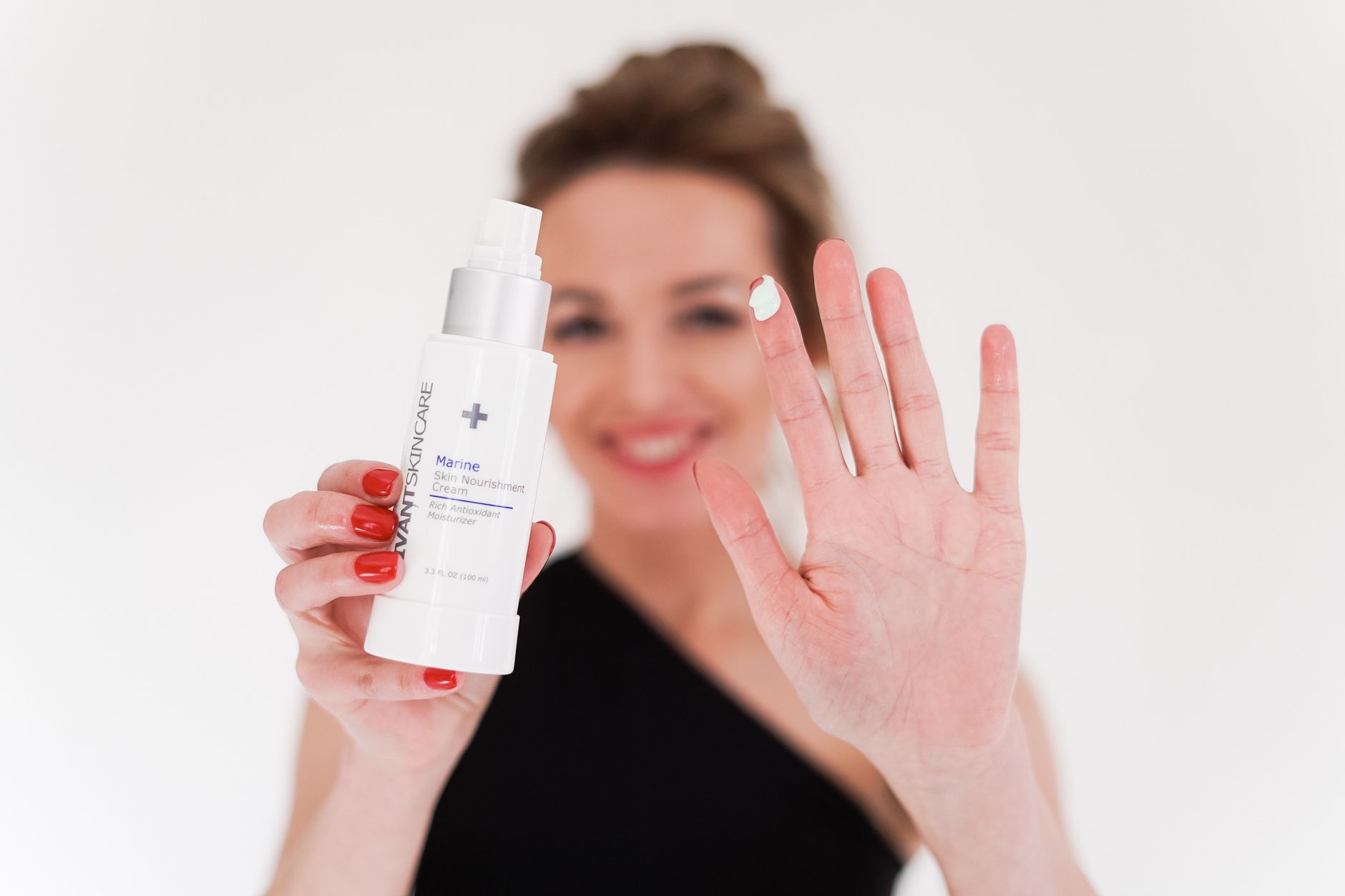
Ceramides are lipid molecules found naturally in the skin’s outer layer, playing a crucial role in maintaining skin barrier function. These oils help lock in moisture, preventing dryness and irritation while also protecting against environmental stressors. In the world of beauty and skincare, ceramides have gained recognition as key ingredients in various formulations designed to enhance hydration and support skin health.
This article will explore what ceramides are, their benefits for the skin barrier, and how to effectively incorporate them into your beauty routine. Whether you have dry, oily, or sensitive skin, understanding ceramides is essential for optimizing your skincare regimen.
What Are Ceramides?
Ceramides are a type of waxy lipid that contributes significantly to the structure of the skin barrier. They comprise approximately 50% of the lipids in the skin’s outermost layer, also known as the stratum corneum. Ceramides help form the skin’s protective barrier, which keeps moisture in and harmful substances out.
There are several types of ceramides, each identified by a number (e.g., ceramide 1, ceramide 2). While they differ slightly in chemical structure, their primary function is the same: to assist in barrier maintenance and hydration.
Benefits of Ceramides for Skin Barrier Function
The skin barrier is essential for protecting against environmental aggressors like pollution, UV radiation, and harsh weather conditions. A compromised barrier can lead to dryness, irritation, and various skin conditions. Here are the primary benefits of ceramides:
- Moisture Retention: Ceramides help retain water in the skin, resulting in improved hydration and plumpness.
- Barrier Repair: By replenishing lost lipids, ceramides aid in repairing a damaged skin barrier and can enhance its resilience.
- Protection Against Irritation: Ceramides can help soothe irritated skin, making them especially beneficial for those with sensitive skin or conditions like eczema.
- Reduced Trans-Epidermal Water Loss (TEWL): By fortifying the skin barrier, ceramides minimize TEWL, helping keep skin hydrated for longer periods.
Common Uses of Ceramides in Skincare Products
Ceramides are versatile ingredients used in various skincare and beauty products. Here’s a breakdown of common types of products that often contain ceramides:
- Moisturizers: Many creams and lotions incorporate ceramides to provide hydration and strengthen the skin barrier.
- Serums: Ceramide serums offer concentrated doses of these lipids for targeted treatment.
- Cleansers: Some gentle cleansers include ceramides to support the barrier while removing impurities without stripping the skin.
- Suncare Products: Ceramides in sunscreen can help maintain skin hydration even while protecting from UV damage.
- Night Creams: Many overnight skincare products feature ceramides as part of their formulation for repair and hydration during sleep.
How to Incorporate Ceramides into Your Skincare Routine
Adding ceramides to your skincare routine can enhance moisture retention and barrier health. Here’s how to do it effectively:
1. Assess Your Skin Type
Before selecting ceramide products, it’s essential to understand your skin type:
- Dry Skin: Look for heavier creams or ointments with a higher concentration of ceramides.
- Oily Skin: Gel or lightweight moisturizers containing ceramides are ideal to avoid clogging pores.
- Sensitive Skin: Choose products free from fragrances and irritating ingredients, with ceramides to soothe and replenish.
2. Build Your Routine
Incorporate ceramide products into your skincare routine gradually. Here’s a simple morning and evening routine:
Morning Routine:
- Cleanser: Use a gentle, ceramide-containing cleanser.
- Toner (optional): If you use a toner, look for hydrating formulations that include ceramides.
- Serum: Apply a ceramide serum for an extra boost of hydration.
- Moisturizer: Follow with a moisturizer that features ceramides to seal in moisture.
- Sunscreen: Never skip sunscreen to protect your skin barrier daily.
Evening Routine:
- Cleanser: Again, use a gentle cleanser with ceramides.
- Toner (optional): Use a hydrating toner if desired.
- Serum: Apply a ceramide-rich serum, focusing on dry areas.
- Night Cream: Use a richer night cream packed with ceramides to provide overnight hydration.
Common Mistakes to Avoid with Ceramides
When introducing ceramides into your routine, here are some common pitfalls to watch out for:
- Overusing Products: While ceramides are beneficial, using too many products can overwhelm your skin. Start slow and gauge your skin’s response.
- Neglecting Sunscreen: Even with the best moisturizing routine, sun protection is key for barrier health.
- Ignoring Product Labels: Always check product labels to avoid potential irritants, especially if you have sensitive skin.
Signs of Irritation and When to Stop Use
While ceramides are generally well-tolerated, it’s essential to be aware of potential skin reactions. Signs of irritation may include:
- Redness or swelling
- Persistent stinging or burning sensation
- Dry patches or increased flakiness
If you experience any of these symptoms, discontinue use and consult with a skincare professional or dermatologist.
Ingredients That Pair Well with Ceramides
Ceramides can enhance the effectiveness of other beneficial ingredients. Here’s a guide to what works well with ceramides:
- Hyaluronic Acid: This hydrating ingredient draws moisture into the skin and pairs beautifully with ceramides to lock it in.
- Glycerin: A powerful humectant that enhances hydration levels, making it an excellent companion to the barrier-repairing properties of ceramides.
- Squalane: This lightweight oil deeply moisturizes while complementing the hydrating properties of ceramides.
- Fatty Acids: Ingredients like jojoba oil or shea butter provide additional moisture, supporting overall skin health in synergy with ceramides.
What to Look for in Ceramide Products
When shopping for ceramide-infused products, consider these factors to ensure quality and effectiveness:
- Concentration: Check the ingredient list to see where ceramides fall. Higher up means a more concentrated formulation.
- Type of Ceramide: Different ceramides serve specific functions, so consider looking for products with a mix for comprehensive benefits.
- Complementary Ingredients: Look for additional hydrating or soothing ingredients for an enhanced effect.
- Non-Comedogenic Formulas: If you have oily or acne-prone skin, ensure the product won’t clog your pores.
Frequently Asked Questions About Ceramides
Are ceramides suitable for all skin types?
Yes, ceramides are suitable for all skin types. They can help hydrate dry skin, soothe sensitive skin, and even balance oily skin by reinforcing the barrier.
Can I use ceramides if I have oily skin?
Absolutely! Ceramides can help maintain hydration without adding excess oil. Look for lightweight formulations to prevent clogging pores.
How often should I use ceramide-rich products?
You can use ceramide products daily as part of your morning and evening routines. Adjust the frequency based on your skin’s specific needs and reactions.
Conclusion
Ceramides are a powerful addition to your skincare arsenal, offering numerous benefits for maintaining a healthy skin barrier. By understanding how they work, identifying your skin type, and selecting the right products, you can create a tailored routine that enhances hydration, protects against irritants, and improves your skin’s overall appearance. Start incorporating ceramides today for balanced, resilient, and beautifully hydrated skin.
If you’re interested in learning more about skincare ingredients, product selection, or building a personalized routine, explore our related articles on skincare essentials and product recommendations for advanced hydration techniques!