
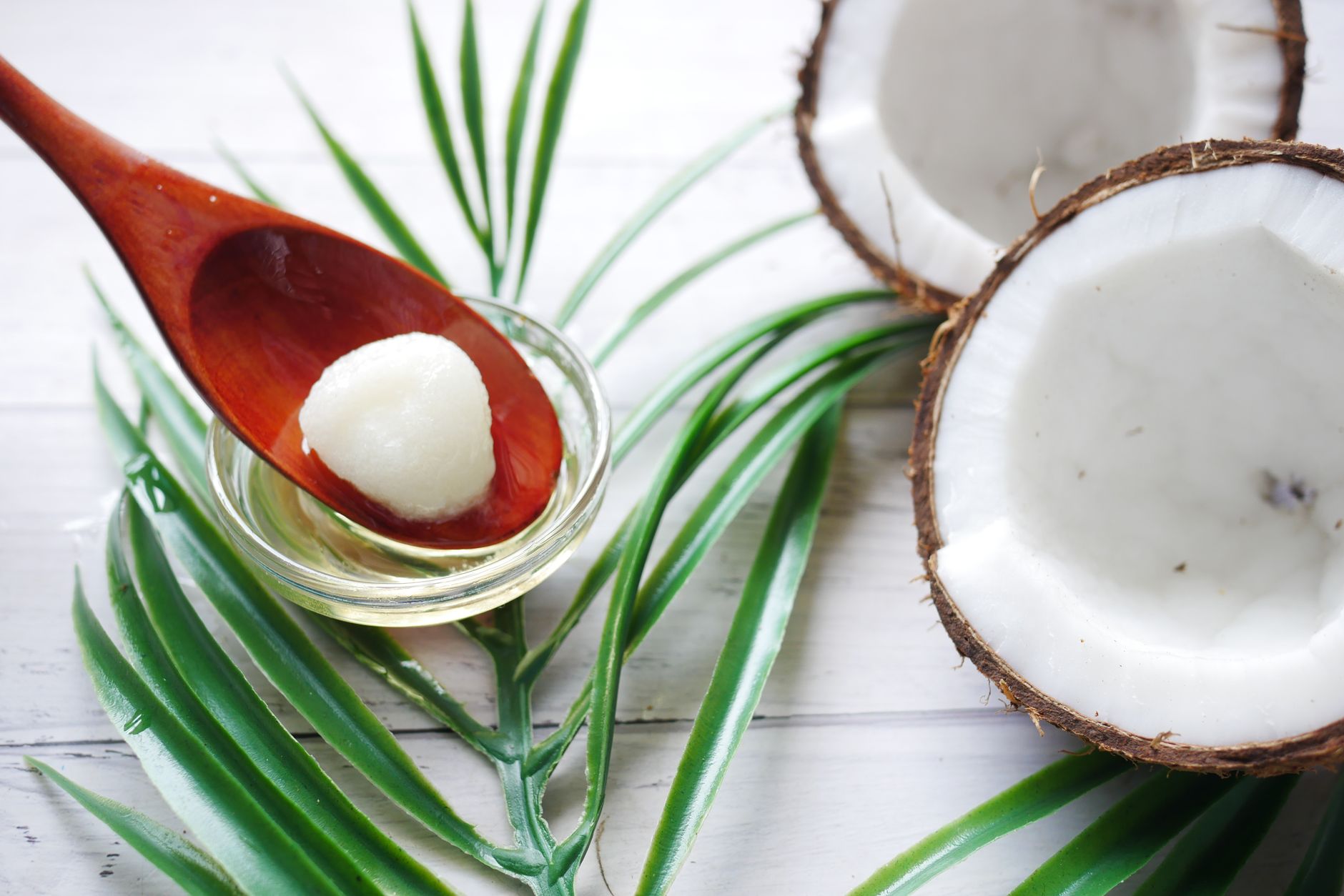
Coconut oil has become a popular go-to ingredient in hair care, beloved for its versatility and natural properties. For many, it’s a staple in their beauty regimen, celebrated for nourishing and rejuvenating hair. Whether you’re striving for shinier locks, enhanced hydration, or a solution for dry scalp, coconut oil may offer some appealing benefits.
This article dives deep into what coconut oil can do for your hair, exploring its myriad benefits, potential risks, application methods, and tips for incorporating it into your hair care routine. Let’s get to know how this tropical treasure can enhance your hair health!
What Does Coconut Oil Do For Your Hair?
Coconut oil provides numerous benefits for the hair, including moisture retention, damage prevention, and promoting overall hair health. It acts as a natural conditioner, reduces frizz, enhances shine, and can even promote growth in certain conditions. Its unique composition allows it to penetrate the hair shaft more than many other oils, thus nourishing and strengthening the hair from within.
The Benefits of Coconut Oil for Hair
Understanding the specific advantages of coconut oil can help you decide how to best use it in your hair care routine. Here are some of its most notable benefits:
- Moisturizes Hair: Coconut oil contains medium-chain fatty acids, which help to lock moisture into the hair, making it softer and more manageable.
- Reduces Protein Loss: Studies suggest that coconut oil can reduce protein loss in both damaged and undamaged hair. This is crucial for maintaining healthy hair.
- Enhances Shine: The oil can add a natural luster to hair, making it look shinier and healthier.
- Detangles Hair: Applying coconut oil before and after washing can help to detangle hair, reducing breakage and making combing easier.
- Reduces Frizz: Coconut oil smooths the cuticle, helping to control frizz and improving manageability.
- Scalp Health: Coconut oil has antimicrobial properties which can help in maintaining a healthy scalp, preventing dandruff and itchiness.
- Provides Sun Protection: While it isn’t a substitute for sunscreen, coconut oil can offer some protection from UV damage.
Understanding Coconut Oil’s Composition
It’s helpful to understand what makes coconut oil beneficial for hair. Coconut oil is rich in lauric acid, which is known for its ability to penetrate the hair shaft. This is why coconut oil can both condition and strengthen the hair effectively. The other fatty acids in coconut oil, such as capric and caprylic acids, also contribute to its hydrating properties.
How to Use Coconut Oil on Hair
Integrating coconut oil into your hair care regimen can be simple and effective. Here’s how you can use coconut oil for various hair concerns:
1. Pre-Wash Treatment
Applying coconut oil as a pre-wash treatment can offer protection from damage and help retain moisture during washing. Follow these steps:
- Warm a small amount of coconut oil in your hands until it’s melted.
- Apply it evenly from the roots to the ends of your hair, focusing on the tips.
- Leave it on for at least 30 minutes, or overnight for maximum benefits.
- Wash your hair thoroughly using a mild shampoo.
2. Hair Mask
Coconut oil makes for a powerful hair mask that deeply nourishes and restores shine. Here’s a simple application method:
- In a bowl, mix coconut oil with additional nourishing ingredients, like honey or avocado, for enhanced benefits.
- Apply the mixture generously to damp hair.
- Cover with a shower cap and leave it on for at least 30 minutes, or up to several hours for deep conditioning.
- Rinse out and shampoo as usual.
3. Leave-In Conditioner
For those with dry or frizzy hair, utilizing coconut oil as a leave-in conditioner can offer all-day moisture. Here’s how:
- After washing your hair, apply a few drops of coconut oil to your palms.
- Work the oil through the lengths and ends of towel-dried hair.
- Style as usual. Avoid the roots to prevent greasiness.
4. Scalp Treatment
If you suffer from a dry or itchy scalp, coconut oil can work wonders. To use it as a scalp treatment:
- Part your hair into sections and apply warm coconut oil directly onto your scalp.
- Massage it in gently for about 5-10 minutes.
- Leave it on for at least 30 minutes or overnight before washing.
Risks and Considerations
While coconut oil is generally safe for most hair types, there are a few considerations to keep in mind:
- Grease Factor: Users with fine or oily hair might find that coconut oil leaves their hair greasy or weighed down. Using it sparingly and avoiding the roots can help.
- Over-Application: Too much coconut oil can lead to build-up on the hair and scalp. It’s important to find a balance to avoid any potential residue issues.
- Allergies: Although rare, some individuals may have an allergic reaction to coconut oil. It’s wise to perform a patch test on the skin before applying it to your hair.
- Not for Everyone: Those with low-porosity hair may find that coconut oil doesn’t penetrate well and could lead to dryness, so consider other oils like argan or jojoba instead.
Additional Hair Care Tips with Coconut Oil
When incorporating coconut oil into your hair care routine, consider these additional tips:
- Heat Use: If you apply coconut oil before heat styling, it can provide some protection against heat damage.
- Storage: Keep your coconut oil in a cool, dark place as light and heat can diminish its effectiveness.
- Gradual Introduction: If you’re new to coconut oil, start with small amounts to see how your hair responds before applying it generously.
Choosing the Right Coconut Oil
Not all coconut oils are created equal. Here are some factors to consider when choosing coconut oil for your hair care:
- Quality: Opt for organic, cold-pressed, and virgin coconut oil, as these retain the most nutrients.
- Purity: Ensure that the coconut oil is 100% pure with no additives or fragrances.
- Form: Coconut oil is available in solid and liquid forms. Liquid coconut oil may be easier to apply, while solid coconut oil can be melted in your hands before use.
Realistic Expectations: What to Expect
While coconut oil can deliver impressive results, manage your expectations. Hair care is often a gradual process that may not yield instant results. Consistency is key, and individual results may vary depending on hair type, current health condition, and frequency of use.
Conclusion
Coconut oil is not just a trendy ingredient; it’s a versatile and beneficial addition to any hair care routine. From moisturizing and reducing frizz to alleviating scalp issues and adding shine, it presents plenty of advantages. However, it’s essential to approach its use with awareness of your individual hair type and needs.
As you integrate coconut oil into your routine, consider starting with small amounts and observation of your hair’s response. Whether it’s a pre-wash treatment or a leave-in conditioner, find the application that suits you best. And remember, healthy hair takes time!
For more on hair care solutions, be sure to check out our guides on is coconut oil good for your hair and how to use rice water for hair.